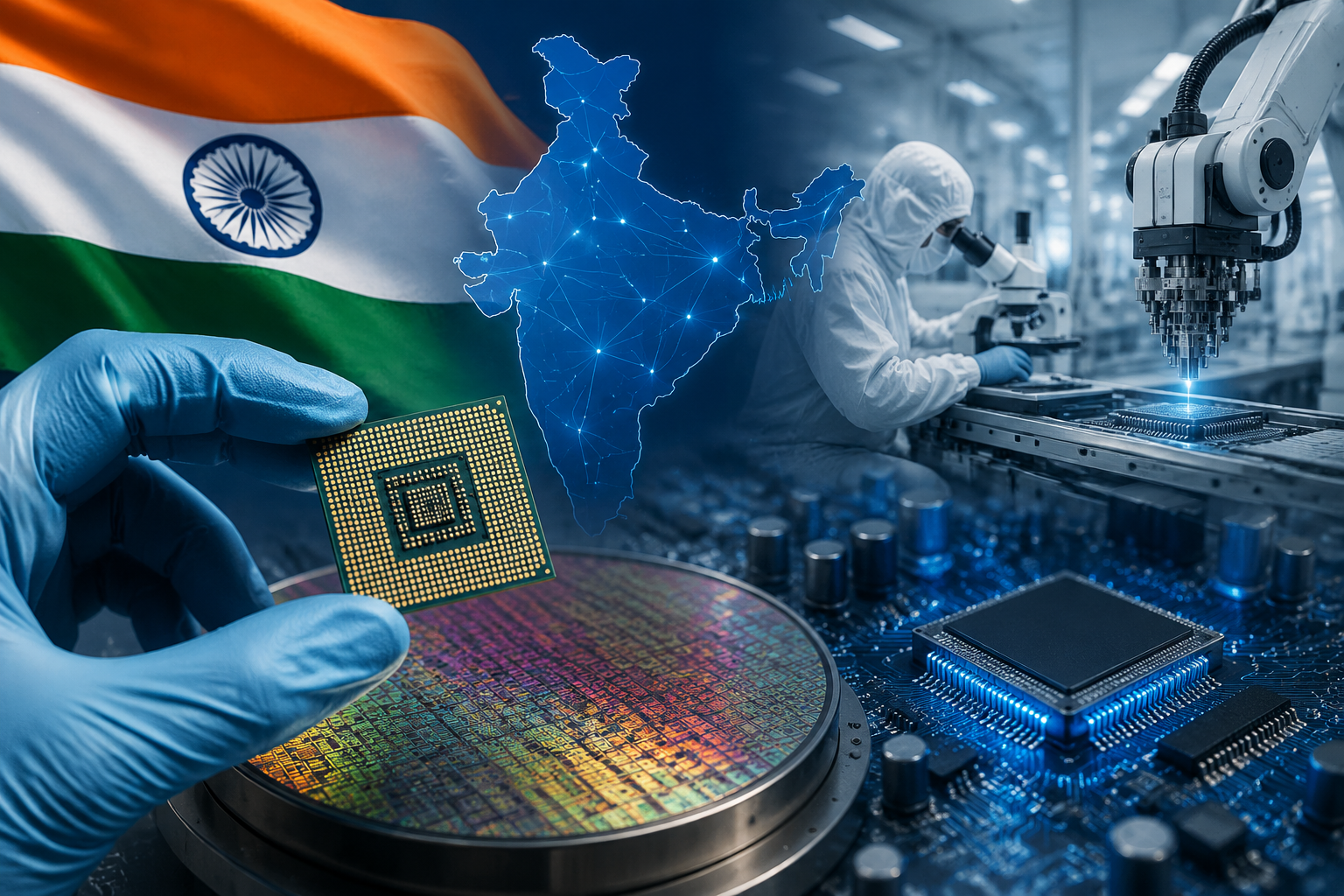
New semiconductor policy expands focus from chip manufacturing to design, equipment, advanced packaging, R&D and skilled workforce development
India has taken a major step towards building a self-reliant semiconductor ecosystem with the Union Cabinet approving the ₹1.28 trillion Semicon 2.0 programme. The initiative marks the next phase of the country’s semiconductor strategy and aims to strengthen India’s presence across the entire chip value chain.
Unlike the first phase, which primarily focused on attracting semiconductor manufacturing investments, the new programme expands its scope to include chip design, semiconductor equipment, specialised materials, advanced packaging, research and talent development.
The government believes the initiative will help India emerge as a competitive global destination for semiconductor manufacturing while reducing dependence on imported chips, which are becoming increasingly critical for industries ranging from artificial intelligence to defence and electric vehicles.
Semicon 2.0: A ₹1.28 Trillion Mission to Build India’s Chip Ecosystem
The Union Cabinet has approved a total financial allocation of ₹1,27,500 crore, or approximately ₹1.28 trillion, for Semicon 2.0.
The programme is designed to create long-term policy support for the semiconductor industry by building on the progress achieved under the first phase of the India Semiconductor Mission.
The initiative aims to develop capabilities across:
-
Semiconductor design
-
Chip manufacturing
-
Semiconductor equipment production
-
Raw materials and chemicals
-
Advanced packaging
-
Research and innovation
-
Skilled workforce creation
The move comes at a time when semiconductor chips have become a strategic resource, influencing industries such as automobiles, smartphones, artificial intelligence, defence systems and digital infrastructure.
Why Semiconductor Manufacturing Has Become a Strategic Priority
Semiconductors are often described as the backbone of the modern digital economy.
From smartphones and electric vehicles to satellites and artificial intelligence systems, almost every advanced technology depends on semiconductor chips.
Recent global supply chain disruptions highlighted the risks of excessive dependence on a few countries for chip manufacturing.
Major economies including the US, Europe, Japan and South Korea have introduced semiconductor incentives to secure domestic supply chains.
India’s semiconductor mission is aimed at:
-
Reducing import dependence
-
Creating high-value manufacturing jobs
-
Attracting global technology companies
-
Developing domestic intellectual property
-
Strengthening national technology capabilities
Six Pillars of Semicon 2.0 Strategy
Union Minister Ashwini Vaishnaw stated that the programme will operate around six major pillars covering the complete semiconductor ecosystem.
1. Boosting Semiconductor Design and Innovation
The first pillar focuses on strengthening India’s chip design capabilities.
The government will support:
-
Semiconductor intellectual property creation
-
Chip architecture development
-
System-level design
-
Startup innovation
India already has a strong semiconductor design talent base, with many global companies operating design centres in the country.
Under Semicon 1.0, more than 100 startups entered the semiconductor design segment.
The new programme aims to accelerate this ecosystem by encouraging domestic companies to create their own chip technologies.
2. Developing Semiconductor Equipment and Material Ecosystem
A semiconductor factory requires highly specialised equipment, chemicals and materials.
Currently, several critical components are imported due to limited domestic manufacturing capabilities.
Semicon 2.0 will encourage companies involved in:
-
Semiconductor machinery
-
Specialised chemicals
-
Industrial gases
-
Manufacturing materials
Building this supporting ecosystem is considered essential for creating a complete semiconductor supply chain within India.
3. Attracting More Semiconductor Fabrication Plants
Fabrication facilities, commonly known as fabs, are among the most advanced industrial projects globally.
The new programme aims to attract investments in:
-
Silicon fabs
-
Compound semiconductor fabs
-
Discrete semiconductor manufacturing
-
Display fabrication units
These facilities require billions of dollars in investment and highly advanced technology.
Government support is expected to improve India’s attractiveness as global companies look to diversify manufacturing beyond traditional semiconductor hubs.
4. Expansion of ATMP and OSAT Packaging Facilities
Semiconductor packaging and testing have become increasingly important as chip technology advances.
Semicon 2.0 will support:
-
Assembly
-
Testing
-
Marking
-
Packaging operations
The programme will encourage advanced packaging technologies that improve chip performance, efficiency and reliability.
India has already attracted several semiconductor packaging investments, and this segment is expected to become a major growth area.
5. Advanced Semiconductor Research and Development
The fifth pillar focuses on strengthening research capabilities.
The government plans to support:
-
Advanced process technologies
-
Semiconductor research projects
-
Industry-academia partnerships
-
Innovation centres
The objective is to help India move beyond manufacturing and develop semiconductor intellectual property.
Long-term success in the semiconductor industry depends heavily on research capabilities and technology ownership.
6. Creating a Skilled Semiconductor Workforce
A successful semiconductor ecosystem requires specialised talent.
Semicon 2.0 will expand training programmes beyond chip design and focus on:
-
Clean-room operations
-
Semiconductor fabrication processes
-
Equipment maintenance
-
Fab construction
-
Packaging technology
The initiative aims to create a workforce capable of supporting advanced semiconductor facilities.
Semicon 1.0 Attracted ₹1.64 Trillion Investment Commitments
The new programme builds on the foundation created under the first phase of India’s semiconductor mission.
According to government data, Semicon 1.0 approved 12 semiconductor projects with cumulative investments exceeding ₹1.64 trillion.
These projects include:
-
Silicon fabrication facility
-
Silicon carbide semiconductor fab
-
Gallium nitride Micro LED display facility
-
Nine semiconductor packaging units
Several companies have already moved into production.
The government stated that:
-
Micron
-
Kaynes
-
CG Semi
have started commercial operations, while another facility is expected to begin production in 2026.
Startup Ecosystem Gains Semiconductor Push
The government is also focusing on encouraging semiconductor innovation among startups and MSMEs.
Under previous semiconductor initiatives:
-
24 semiconductor design projects received financial support
-
105 startups and MSMEs received access to electronic design automation (EDA) tools
These companies are developing chips for emerging industries including:
-
Artificial intelligence
-
Satellite communication
-
Defence technology
-
Drones
-
Telecom equipment
-
IoT devices
-
Smart meters
Potential Economic Impact of Semicon 2.0
The semiconductor mission could create significant opportunities across multiple industries.
Potential beneficiaries include:
Electronics Manufacturing
Domestic chip availability could support expansion of electronics production.
Automobile and EV Industry
Electric vehicles require advanced semiconductor components for battery management, automation and connectivity.
Defence and Aerospace
Domestic semiconductor capabilities can improve technology security.
Artificial Intelligence and Data Centres
Growing AI adoption will increase demand for advanced processors and computing infrastructure.
Employment Generation
The ecosystem could create high-skilled jobs in engineering, manufacturing and research.
Challenges Ahead: Execution Will Be the Key Factor
While the semiconductor opportunity is massive, building a globally competitive chip ecosystem is a complex and time-consuming process.
Key challenges include:
-
High capital requirements
-
Technology complexity
-
Need for specialised talent
-
Global competition
-
Long project execution timelines
Successful implementation will require strong collaboration between government, global semiconductor companies, startups and research institutions.
Investor Outlook: Semiconductor Theme Could Drive New Growth Opportunities
The approval of Semicon 2.0 strengthens India’s long-term technology manufacturing vision.
Companies linked to semiconductor manufacturing, electronics, engineering services, industrial automation and technology infrastructure could benefit from increased investment flows.
However, investors should track companies based on:
-
Execution capability
-
Order visibility
-
Financial strength
-
Technology partnerships
-
Long-term profitability potential
Conclusion: India’s Journey From Chip Importer to Semiconductor Powerhouse
The ₹1.28 trillion Semicon 2.0 programme represents one of India’s biggest technology-focused industrial initiatives.
By expanding support beyond chip manufacturing to include design, research, equipment and talent development, India is attempting to build a complete semiconductor ecosystem.
The success of this mission could play a crucial role in shaping India’s digital economy, strengthening strategic independence and positioning the country as an important player in the global semiconductor supply chain.