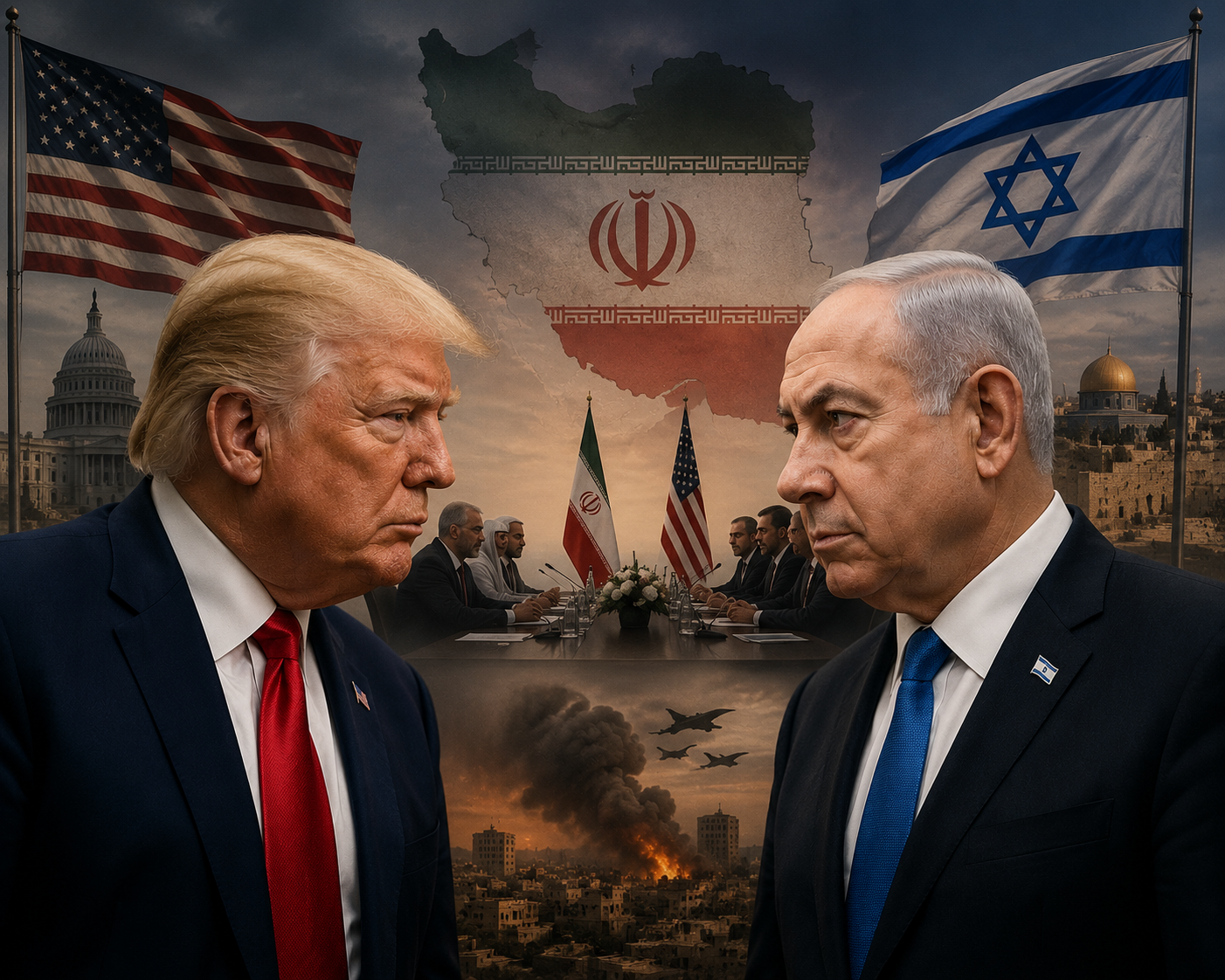
US–Israel Relationship Faces Strain Amid Negotiations With Tehran and Rising Regional Tensions
A growing diplomatic strain has emerged between the United States and Israel as Donald Trump pushes forward with efforts to finalise a nuclear-related agreement with Iran, putting his long-standing political alignment with Israeli leadership under pressure.
The tensions come at a sensitive geopolitical moment, with Washington attempting to balance de-escalation efforts in the Middle East while managing domestic political concerns and rising global energy risks.
🇺🇸 US Push for Iran Deal Reshapes Strategic Calculations
The proposed agreement between Washington and Tehran is aimed at reducing regional hostilities and stabilising energy markets, which have been disrupted by prolonged conflict and uncertainty.
Key developments include:
- Ongoing negotiations for a framework agreement in Geneva
- Efforts to reduce escalation risks in Lebanon and surrounding regions
- US focus on stabilising crude oil prices amid political pressure at home
Analysts say the diplomatic push reflects a broader shift toward conflict containment over confrontation, particularly as economic and electoral pressures mount.
🇮🇱 Netanyahu–Trump Relationship Under Visible Strain
The diplomatic friction has become more pronounced between Trump and Israeli Prime Minister Benjamin Netanyahu, who has historically maintained strong ties with multiple US administrations.
Recent developments highlight:
- Public criticism from Trump over Israeli military actions in Lebanon
- Diverging views on escalation strategy in the region
- Rising concerns within Israeli political circles over US policy direction
Trump’s unusually direct remarks have surprised observers, marking a shift from traditional US diplomatic caution in addressing Israeli leadership publicly.
Lebanon Conflict Adds to Diplomatic Pressure
Tensions escalated further after Israeli strikes in Lebanon, which reportedly complicated ongoing diplomatic efforts between Washington and Tehran.
The situation has raised concerns about:
- Disruption of peace negotiations
- Increased risk of regional spillover conflict
- Volatility in global energy markets
The Middle East remains a key driver of oil price sensitivity, making geopolitical developments closely watched by global investors.
Market Watch: Oil, Dollar, and Risk Assets in Focus
Financial markets are increasingly reacting to geopolitical signals:
- Crude oil prices remain sensitive to escalation risks
- Safe-haven assets see intermittent demand spikes
- Equity markets fluctuate on geopolitical headlines
- Currency markets reflect shifting risk sentiment
Investors are closely tracking developments, as any breakdown in negotiations could trigger renewed volatility across global asset classes.
Expert View: Strategic Shift or Tactical Pressure?
Policy analysts suggest Trump’s public stance may reflect a combination of:
- Domestic political pressure to reduce foreign conflict exposure
- Strategic effort to stabilise energy markets
- Leverage-building in negotiations with regional stakeholders
However, critics warn that public criticism of allied leaders could complicate long-standing diplomatic frameworks.
Outlook: Fragile Diplomacy Ahead
Markets and policymakers now face an uncertain trajectory:
- If negotiations succeed → potential easing of geopolitical risk premium
- If talks collapse → renewed escalation risks in Middle East
- US–Israel relations may remain uneven and politically sensitive in the near term
Conclusion
The emerging rift between Donald Trump and Benjamin Netanyahu underscores the complexity of Middle East diplomacy at a time of heightened global tension. As the Iran deal negotiations progress, both geopolitical stability and financial market direction remain closely tied to political developments in Washington and the region.