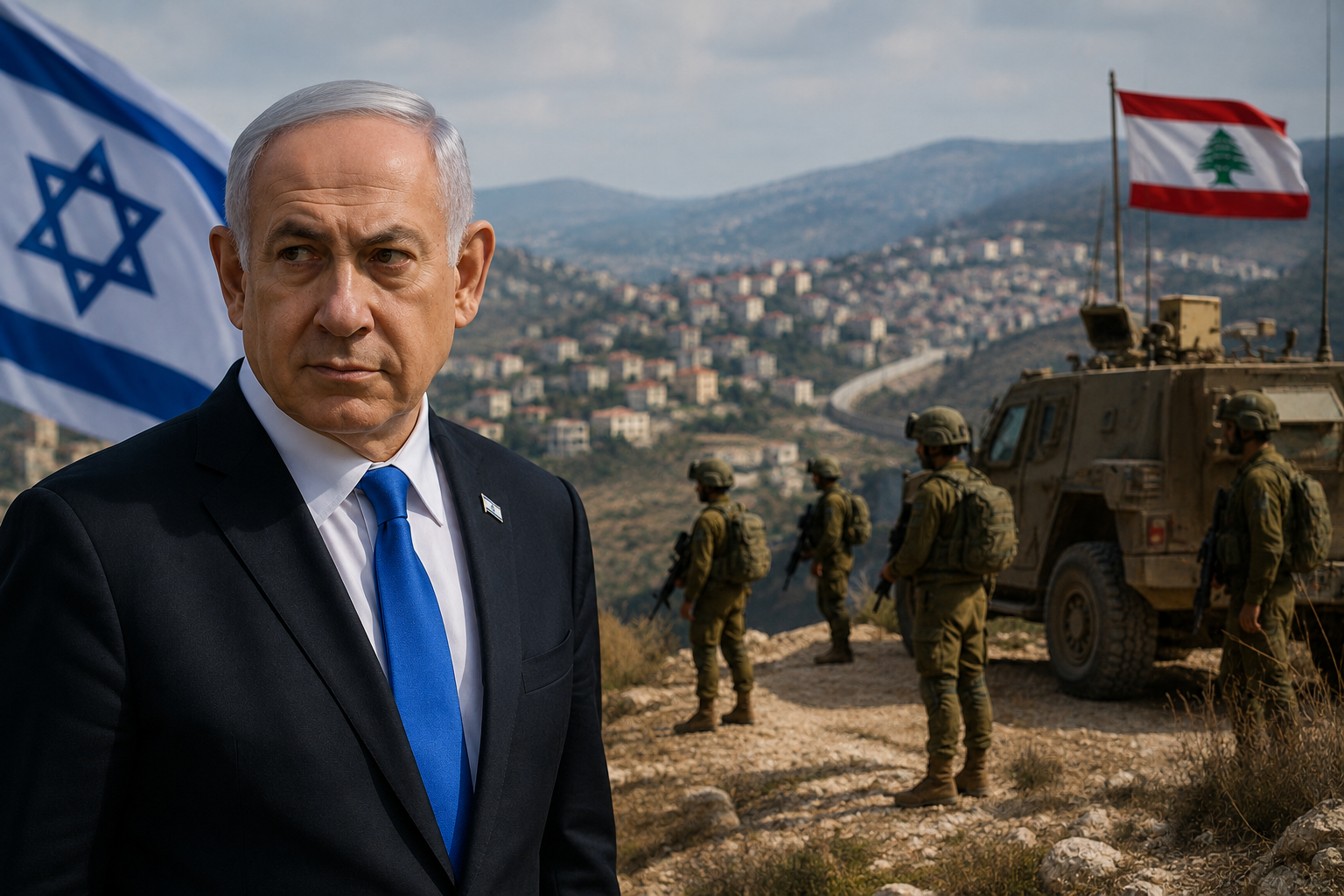
Netanyahu Reaffirms Security Priorities as Investors Monitor Regional Stability and Energy Market Risks
Israeli Prime Minister Benjamin Netanyahu has indicated that Israel will maintain its military presence in southern Lebanon despite the recently announced ceasefire framework between the United States and Iran. The remarks highlight ongoing geopolitical uncertainties in the Middle East and raise questions about how regional conflicts could affect global markets, energy supplies, and investor sentiment.
Speaking to the Israeli public, Netanyahu stressed that Israel's security objectives remain unchanged and that military operations targeting threats along its northern border will continue as long as necessary. He emphasized that any diplomatic understanding reached between Washington and Tehran does not automatically alter Israel's strategic calculations.
The comments come as international attention remains focused on the evolving US-Iran agreement, which aims to reduce tensions following months of military confrontation. While the framework has been welcomed by some as a step toward stability, significant details regarding implementation, enforcement, and regional security commitments remain unclear.
Security Concerns Continue to Shape Policy
Israel has consistently identified Hezbollah as one of its primary security challenges. The Iran-backed group remains active in Lebanon and has been involved in periodic exchanges of fire with Israeli forces. Israeli officials argue that maintaining a security presence near the border is essential to preventing future attacks and safeguarding civilian communities.
Netanyahu's statement suggests that Israel intends to pursue an independent security strategy regardless of broader diplomatic developments involving Iran.
Market Attention Turns to Regional Stability
For global investors, developments in the Middle East remain closely linked to commodity markets, particularly crude oil and natural gas. Any escalation or de-escalation in regional tensions can influence shipping routes, energy exports, and broader market confidence.
The Strait of Hormuz and Eastern Mediterranean trade corridors remain strategically important for global energy flows. Investors are therefore monitoring whether diplomatic progress between the United States and Iran can contribute to lasting stability or whether unresolved conflicts involving regional actors could continue to create volatility.
Implications for Global Investment Sentiment
Geopolitical risk remains a significant factor influencing investment decisions across equities, commodities, and currency markets. While the ceasefire framework may reduce immediate concerns of a wider regional conflict, statements from Israeli leadership indicate that security challenges remain far from resolved.
Analysts believe that markets will continue to react to developments surrounding the US-Iran agreement, Hezbollah's activities, and Israel's military posture. Any indication of renewed hostilities could affect energy prices and increase risk premiums across global financial markets.
Outlook
As details of the diplomatic framework gradually emerge, policymakers, investors, and international observers will assess whether the agreement can deliver meaningful stability. For now, Netanyahu's stance serves as a reminder that while diplomatic breakthroughs can reduce tensions, longstanding security disputes in the Middle East remain a key consideration for governments and financial markets alike.