Energy Markets Welcome Diplomatic Breakthrough, but Experts Warn Supply Chains Could Take Months to Normalize
The announcement of a peace agreement between the United States and Iran has brought optimism to global financial and energy markets, triggering a decline in crude oil prices and easing fears of a prolonged energy crisis. However, industry experts caution that restoring normal oil and gas supplies may take considerably longer than financial markets anticipate.
Although the reopening of the Strait of Hormuz is expected to improve energy flows, logistical bottlenecks, production shutdowns and ongoing security concerns could delay a full recovery in global oil markets for several months.
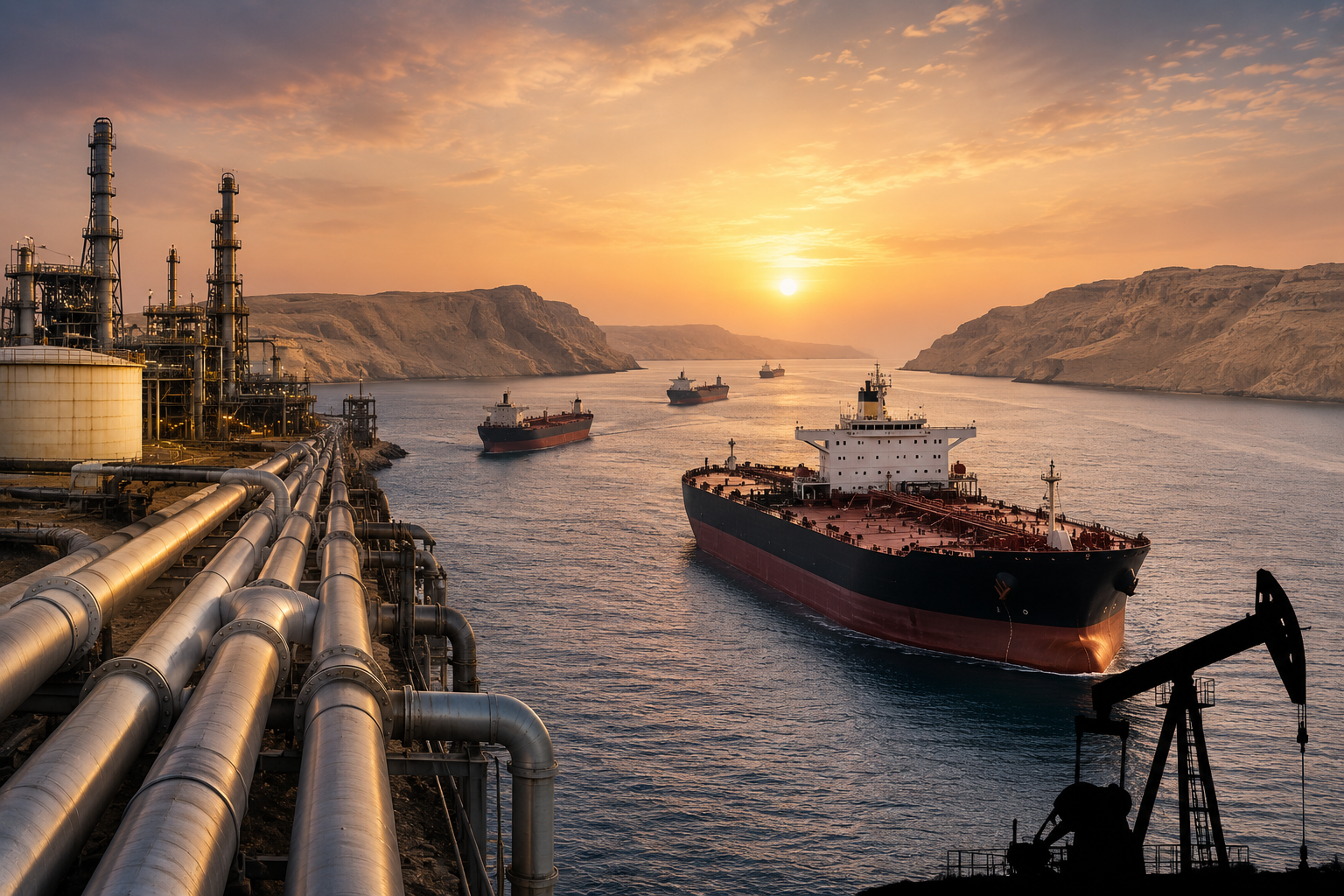
Strait of Hormuz Reopens, Offering Relief to Global Markets
The Strait of Hormuz is one of the world's most strategically important energy corridors, serving as a key transit route for crude oil, liquefied natural gas and refined petroleum products. Prior to the conflict, nearly one-fifth of global oil shipments passed through the narrow waterway.
The reopening of the route is expected to ease immediate concerns over energy security and supply disruptions. Oil-importing nations, including India, China, Japan and several European economies, stand to benefit from improved access to energy supplies and potentially lower fuel costs.
Financial markets reacted positively to the peace agreement, with crude oil prices declining as investors reassessed the risk of prolonged supply shortages.
Supply Chain Disruptions Cannot Be Resolved Overnight
Despite the positive developments, experts emphasize that physical energy supply chains require time to recover. During the months-long disruption, numerous oil tankers remained stranded or were forced to alter routes, creating congestion across global shipping networks.
Before normal trade can resume, existing vessels must complete delayed voyages while shipping operators, insurers and energy traders gradually restore confidence in the region's security environment.
Industry analysts note that energy logistics involve complex coordination between producers, transporters, refiners and distributors, making the recovery process inherently gradual.
Oil Producers Face Restart Challenges
Several oil-producing countries in West Asia were forced to reduce or temporarily halt production as storage facilities filled up and export routes became inaccessible. Restarting production is not as simple as flipping a switch.
Energy companies must conduct technical inspections, reactivate equipment and ensure stable transportation channels before increasing output. In some cases, production facilities that remained idle for extended periods may require extensive maintenance before returning to full capacity.
Countries with alternative export infrastructure are expected to recover more quickly, while others heavily dependent on the Strait of Hormuz could face longer delays.
Shipping and Refining Delays May Extend Market Tightness
Even after crude oil begins moving through the strait again, it will take time for shipments to reach their final destinations. Tankers transporting oil to major consuming nations often require several weeks to complete their journeys.
Once delivered, crude oil must undergo refining before becoming usable products such as gasoline, diesel, aviation fuel and petrochemicals. This additional processing period means consumers may not immediately experience the benefits of improved supply conditions.
As a result, fuel markets could remain volatile in the short term despite declining geopolitical tensions.
Investment Activity Needs Time to Recover
The conflict also disrupted investment plans across the energy sector. Many exploration, production and infrastructure projects were delayed as companies adopted a cautious approach amid geopolitical uncertainty.
Industry observers believe that investment decisions will only resume once market participants gain confidence that the ceasefire is durable and that shipping routes will remain open over the long term.
This pause in capital expenditure could slow production growth and limit supply expansion even after normal trade resumes.
Implications for India and Other Energy Importers
For major energy-importing countries such as India, the peace agreement is a welcome development. Lower crude oil prices could reduce import costs, improve trade balances and help contain inflationary pressures.
Cheaper energy may also support industrial activity, transportation and consumer spending while providing policymakers with greater flexibility in managing economic growth.
However, economists warn that any benefits will depend on the stability of the ceasefire and the speed at which global supply chains normalize.
Market Outlook: Recovery Underway, But Challenges Remain
While the US-Iran peace agreement marks an important step toward stabilizing global energy markets, experts believe the path to full recovery will be gradual rather than immediate.
The coming months will be critical as oil producers restart operations, shipping companies clear backlogs and energy traders assess the durability of the ceasefire. If stability is maintained, global oil supplies are expected to improve steadily, helping ease pressure on energy prices and supporting broader economic growth worldwide.
For now, investors and policymakers remain focused on whether diplomatic progress can translate into lasting stability across one of the world's most important energy-producing regions.