Passenger Cars and Electric Vehicles to Become Costlier from July 1 Amid Inflation, Rising Input Costs and Global Supply Chain Challenges
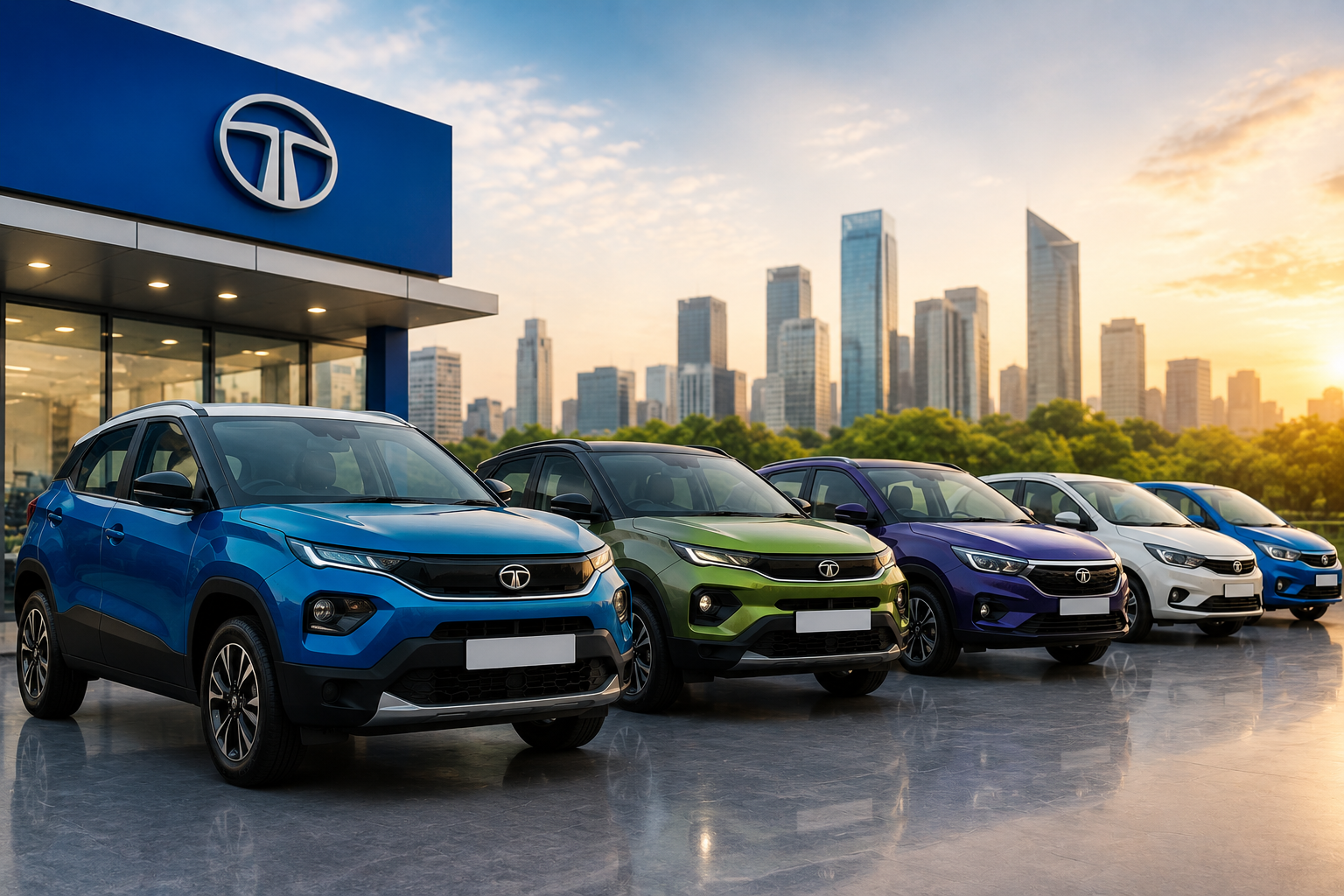
India's leading automobile manufacturer Tata Motors has announced a price increase of up to 1.5 per cent across its passenger vehicle portfolio, including both internal combustion engine (ICE) vehicles and electric vehicles (EVs), effective July 1, 2026. The move comes as the company grapples with rising input costs, inflationary pressures and continued uncertainty in global supply chains.
The latest increase marks the second price revision by Tata Motors within a span of three months, underlining the growing financial pressures facing the automotive industry despite improving demand conditions in the domestic market.
Industry experts believe the decision reflects a broader trend among automobile manufacturers who are increasingly finding it difficult to absorb higher production costs without passing at least a portion of the burden to consumers.
Rising Costs Continue to Challenge Automakers
The automotive sector has been navigating a challenging operating environment over the past year.
Manufacturers have faced rising prices of key raw materials including steel, aluminum, plastics and electronic components. In addition, higher logistics expenses and energy costs have added further pressure on production economics.
Geopolitical developments in West Asia have also contributed to volatility in global commodity and freight markets, increasing uncertainty across supply chains.
Tata Motors stated that while it continues to absorb a significant share of these cost increases internally, a partial price adjustment has become necessary to maintain sustainable operations and protect margins.
The company emphasized that the revision is intended to offset only a portion of the increased costs rather than fully transferring the burden to customers.
Impact Will Vary Across Models and Variants
According to the company, the extent of the price increase will differ depending on the vehicle model and variant.
This approach allows Tata Motors to maintain competitiveness across various segments while minimizing the impact on consumers.
The company currently offers a wide range of vehicles spanning hatchbacks, compact SUVs, premium SUVs, electric vehicles and family-oriented passenger cars.
Popular models such as the Punch, Nexon, Curvv, Harrier, Safari and Tiago are expected to see varying levels of price revisions based on their respective cost structures and market positioning.
Industry analysts expect the average impact on customers to remain moderate, although exact increases will vary by model.
Electric Vehicles Not Immune to Cost Pressures
One notable aspect of the announcement is the inclusion of Tata Motors' electric vehicle lineup in the price hike.
The company remains India's dominant EV player and has invested heavily in expanding its electric mobility portfolio. However, despite strong growth in electric vehicle adoption, manufacturers continue to face challenges related to battery costs, technology investments and imported components.
Battery packs remain one of the most expensive components in EV manufacturing, and fluctuations in the prices of lithium, nickel, cobalt and other critical minerals continue to influence production costs.
As a result, even electric vehicles are not insulated from broader inflationary pressures affecting the automotive industry.
Industry-Wide Trend of Vehicle Price Increases
Tata Motors is not alone in raising vehicle prices.
Several major automakers have announced price revisions in recent weeks as they respond to increasing costs and margin pressures.
India's largest passenger vehicle manufacturer, Maruti Suzuki, recently increased prices across its portfolio, citing inflation and adverse cost conditions. Hyundai Motor India also implemented price hikes across several models earlier this month.
The successive announcements indicate that cost pressures are becoming an industry-wide phenomenon rather than a company-specific issue.
Analysts believe additional automakers may follow suit if raw material and logistics costs remain elevated in the coming months.
Strong Demand Helps Manufacturers Pass Through Costs
One reason automakers have been able to implement price increases is the resilience of consumer demand.
India's passenger vehicle market has remained relatively strong despite concerns over inflation and global economic uncertainty. Rising incomes, favorable financing options and continued preference for personal mobility have supported vehicle sales across multiple categories.
The growing popularity of sport utility vehicles (SUVs) and premium vehicles has also helped manufacturers improve profitability and manage rising costs more effectively.
Industry experts note that while frequent price hikes can eventually affect demand, current market conditions remain supportive enough for companies to pass on a portion of increased expenses.
What It Means for Buyers
Consumers planning to purchase Tata Motors vehicles may face higher prices beginning July 1.
Prospective buyers considering models across the company's ICE and EV portfolios may choose to advance purchasing decisions before the revised prices take effect.
Automobile dealerships could witness increased footfall during the final weeks of June as customers seek to lock in existing prices before the increase is implemented.
For consumers already evaluating vehicle purchases, the price hike serves as a reminder of the broader inflationary trends affecting several sectors of the economy.
Impact on Tata Motors' Financial Performance
From an investor perspective, the price increase could provide support to Tata Motors' profitability by partially offsetting rising input costs.
While the increase may not completely neutralize inflationary pressures, it demonstrates management's willingness to take proactive measures to protect margins.
Market participants will closely monitor future quarterly results to assess whether the price revision successfully improves profitability without negatively impacting demand.
The company's ability to balance growth, affordability and margin protection will remain a key factor influencing investor sentiment.
Broader Challenges Facing the Auto Sector
Looking ahead, the automobile industry continues to face multiple challenges.
Global commodity prices remain volatile, supply chain disruptions persist in certain areas and geopolitical developments continue to influence energy and transportation costs.
At the same time, automakers are investing heavily in electric mobility, digital technologies and new product development, requiring significant capital expenditure.
Balancing these investments while maintaining competitive pricing and profitability remains one of the industry's biggest priorities.
The Bottom Line
Tata Motors' decision to raise passenger vehicle prices by up to 1.5 per cent reflects the growing cost pressures confronting India's automobile sector. With inflation, raw material expenses and supply chain challenges continuing to impact manufacturers, price adjustments have become an increasingly common strategy to protect profitability.
The latest revision places Tata Motors alongside other major automakers that have recently increased prices, highlighting an industry-wide response to a challenging operating environment. While the impact on consumers is expected to be moderate, the move underscores the broader economic pressures shaping India's automotive market as manufacturers seek to balance growth, affordability and financial sustainability.