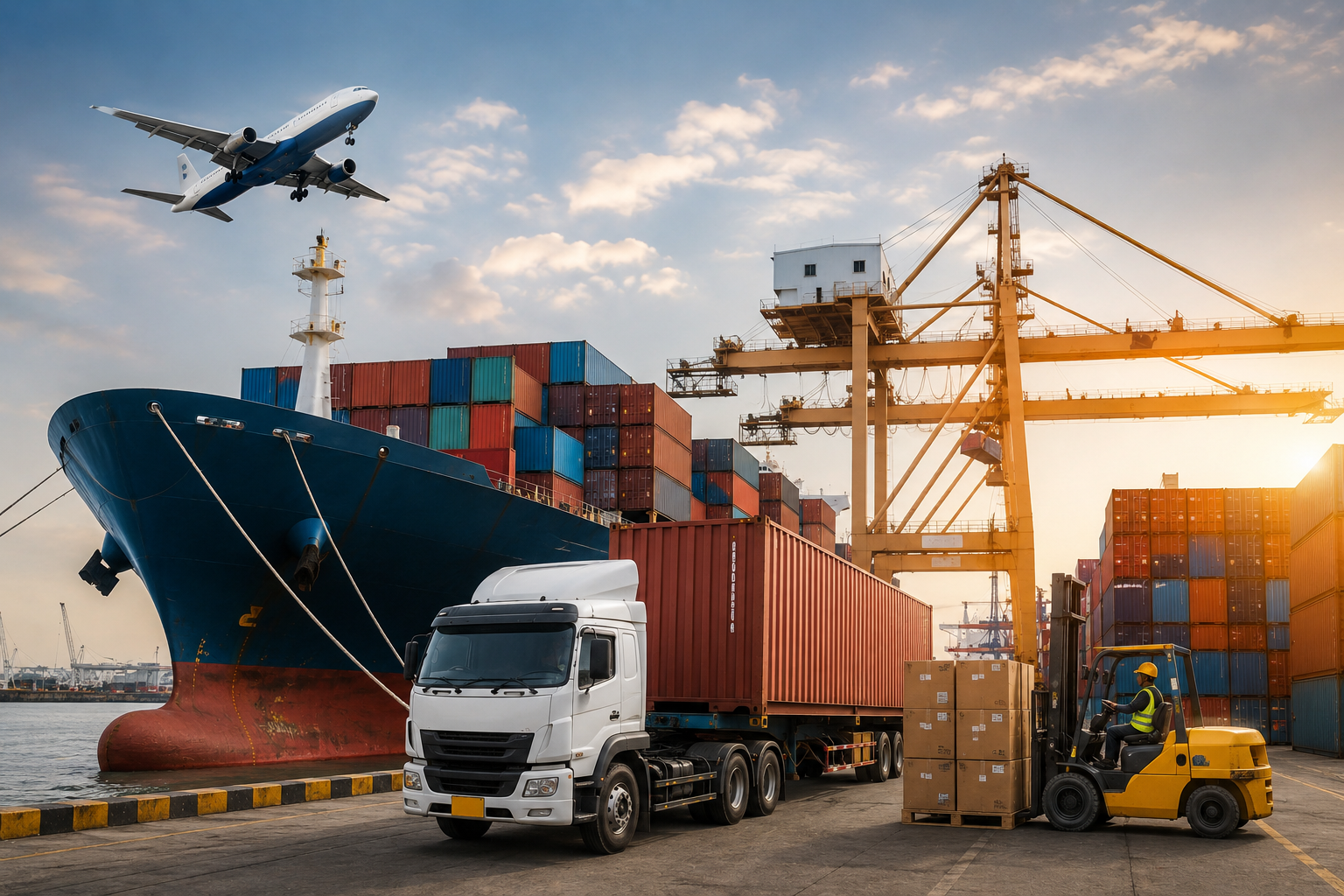
Exports Jump Nearly 14% in April as Indian Trade Shows Resilience Amid West Asia Crisis
India’s merchandise exports recorded robust growth in April despite mounting geopolitical tensions, rising crude oil prices and disruptions in global shipping routes caused by the ongoing conflict in West Asia. The strong performance highlights the resilience of India’s trade sector even as global markets continue to face uncertainty linked to energy supply risks and slowing international economic conditions.
According to the latest trade data, India’s goods exports rose 13.8 per cent year-on-year to $43.56 billion during the first month of FY27. Merchandise imports also witnessed healthy growth, rising 10 per cent to $71.94 billion.
The latest figures indicate that both domestic economic activity and global demand for Indian products remained stable despite volatile global conditions and supply chain disruptions affecting several economies.
Global Geopolitical Tensions Continue to Disrupt Trade
International trade flows have remained under pressure in recent months due to rising tensions in West Asia following the military conflict involving Iran, Israel and the United States.
The situation has created uncertainty across key shipping and energy routes, particularly around the Strait of Hormuz, through which a major portion of global oil supplies passes.
Shipping companies, exporters and importers worldwide have been facing:
- Higher freight costs
- Delays in cargo movement
- Increased insurance premiums
- Supply-chain bottlenecks
- Volatility in energy prices
Despite these disruptions, India’s export sector managed to maintain strong momentum during April, reflecting resilience across manufacturing, engineering and industrial export categories.
Analysts believe diversified export destinations and strong trade demand from multiple regions helped India absorb some of the global shocks.
Export Growth Reflects Strong Manufacturing Activity
Economists say the sharp rise in exports points toward continued strength in India’s manufacturing and industrial sectors during the early part of the financial year.
Sectors linked to engineering goods, chemicals, pharmaceuticals, electronics, petroleum products and industrial materials are believed to have contributed significantly to export growth.
India’s growing role in global supply chains and increasing competitiveness in select manufacturing industries have also helped support export momentum despite weak global trade conditions.
Analysts note that export performance remains particularly encouraging given the challenging international environment marked by slowing growth in several major economies.
Rising Imports Signal Healthy Domestic Demand
India’s merchandise imports also recorded solid growth during April, indicating healthy domestic consumption and continued industrial activity.
Higher imports were driven by:
- Crude oil and energy products
- Electronic goods
- Industrial raw materials
- Machinery and capital goods
- Chemicals and manufacturing inputs
The increase in imports also reflects elevated global commodity prices, particularly crude oil, which has remained volatile due to geopolitical tensions and supply concerns.
Economists say rising imports often indicate stronger economic activity, although sustained increases in the import bill can also widen the trade deficit and pressure the domestic currency.
Trade Deficit Widens Amid Higher Oil Import Bill
India’s trade deficit expanded to $28.38 billion in April compared to $27.10 billion during the same month last year.
The widening trade gap was largely influenced by:
- Rising crude oil prices
- Higher energy imports
- Increased industrial demand
- Elevated global commodity prices
India remains heavily dependent on imported crude oil, making the country particularly vulnerable to fluctuations in international energy markets.
Analysts believe continued volatility in crude oil prices could further widen the trade deficit if energy costs remain elevated over the coming months.
The larger trade deficit may also keep pressure on the Indian rupee and foreign exchange reserves if global conditions remain unstable.
Crude Oil Prices Emerging as Major Economic Risk
One of the biggest concerns for policymakers and markets remains the sharp increase in global crude oil prices following tensions in West Asia.
Higher oil prices affect India through multiple channels including:
- Rising import costs
- Inflationary pressure
- Currency weakness
- Fiscal burden
- Increased logistics and transportation expenses
Economists believe prolonged high oil prices could impact both trade balances and inflation trends during FY27.
The government and the Reserve Bank of India are expected to closely monitor energy markets and external sector developments over the coming months.
Supply Chain Challenges Continue Across Global Markets
Global supply chains continue to face disruptions due to geopolitical instability, shipping route concerns and rising transportation costs.
The ongoing uncertainty surrounding maritime trade routes has affected:
- Shipping schedules
- Container availability
- Freight rates
- Delivery timelines
- Inventory management
Despite these challenges, Indian exporters appear to have adapted relatively well through diversified sourcing strategies and stronger regional trade linkages.
Industry experts believe continued investment in logistics infrastructure and export competitiveness will remain important for sustaining export growth in the coming quarters.
Rupee and Inflation Outlook Closely Linked to Trade Trends
The widening trade deficit and rising import bill are also expected to influence the rupee and inflation outlook for the Indian economy.
Higher imports, especially energy-related imports, increase dollar demand and can weaken the domestic currency. A weaker rupee in turn raises import costs further, creating inflationary pressure across fuel, transportation and manufacturing sectors.
Analysts believe the balance between export growth and energy imports will remain critical in determining India’s macroeconomic stability during FY27.
Persistent global uncertainty could also increase volatility in currency and commodity markets.
Exporters Remain Cautiously Optimistic
Despite global uncertainty, exporters remain cautiously optimistic about the outlook for FY27 due to improving manufacturing capabilities, trade diversification and growing international demand for Indian products.
However, businesses remain concerned about:
- Freight cost volatility
- Currency fluctuations
- Rising input costs
- Global slowdown risks
- Energy price uncertainty
Export-oriented industries are expected to continue monitoring developments in West Asia, US trade policy and global demand conditions closely.
Markets Watching External Sector Trends Carefully
Financial markets are expected to closely track India’s trade performance, crude oil prices and currency movement in the coming months.
A strong export performance provides support to economic growth and industrial activity, but sustained pressure from rising imports and energy costs could complicate inflation and fiscal management.
Investors are likely to remain focused on:
- Monthly trade data
- Crude oil price movement
- Rupee-dollar trend
- Export sector performance
- Global shipping conditions
- Government policy measures
The next few months are expected to remain crucial for assessing whether India can maintain export momentum while managing the challenges arising from geopolitical tensions and rising global commodity prices.