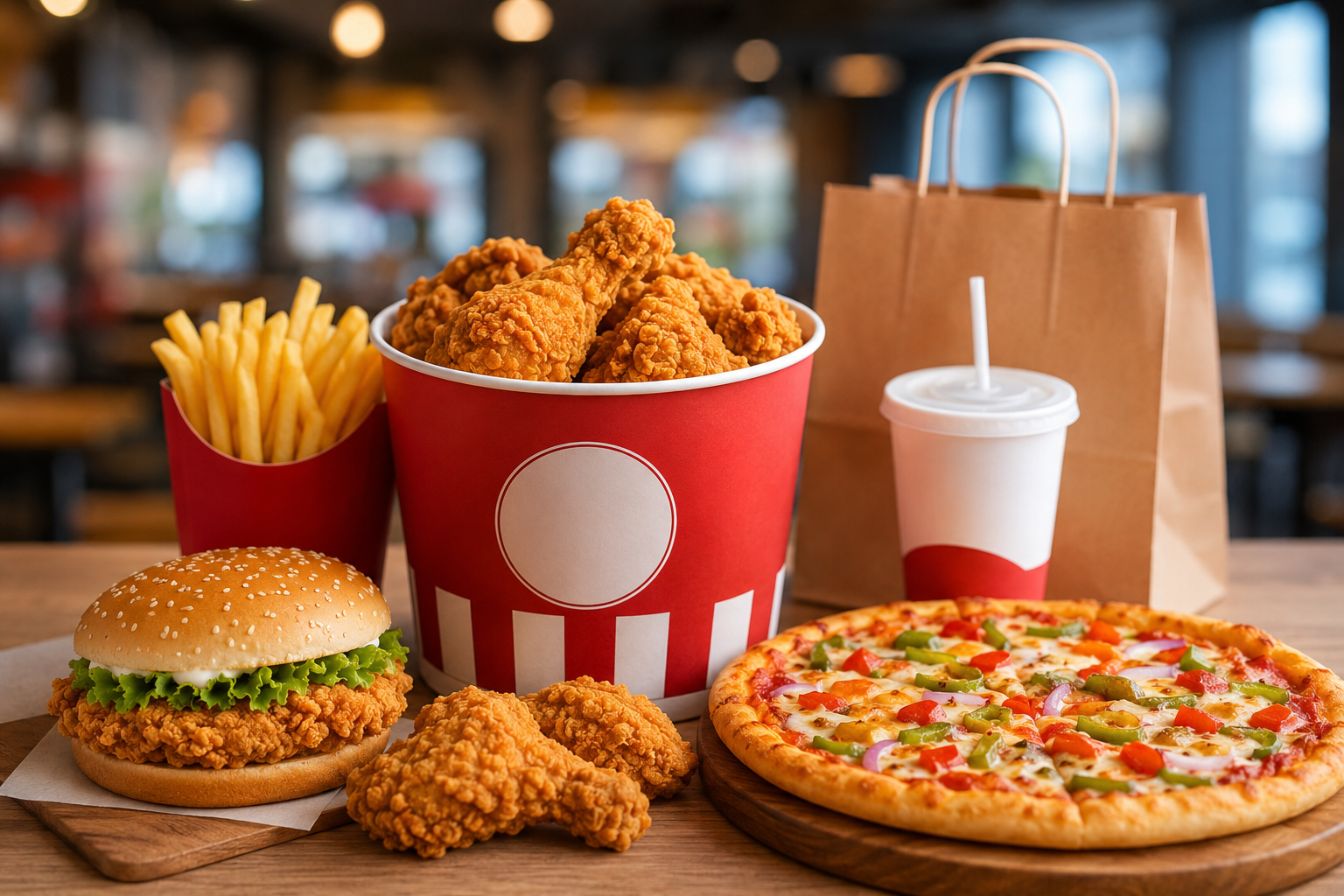
Revenue Growth Gives Fresh Momentum to QSR Giant
India’s quick service restaurant (QSR) sector received another positive signal as Devyani International reported a notable improvement in its financial performance for the fourth quarter of FY26.
The company, which operates global food chains such as KFC and Pizza Hut in India, posted a consolidated net loss of ₹9.84 crore for the quarter ended March 31, 2026. This marks a significant improvement compared to the net loss of ₹16.76 crore recorded during the same period last fiscal.
While the company remained in the red, the narrowing losses indicate improving operational efficiency and stronger customer demand across its restaurant network.
Strong Revenue Jump Reflects Rising Consumer Spending
Devyani International’s consolidated revenue from operations rose sharply to ₹1,436.86 crore in Q4FY26, compared to ₹1,212.59 crore in the year-ago period.
The double-digit revenue growth highlights the continued popularity of branded fast-food chains in India, especially among urban consumers and younger demographics. Analysts say the company benefited from:
- Increased dine-in footfalls
- Higher online food delivery demand
- Expansion into tier-2 and tier-3 cities
- Festive and weekend consumption trends
- Menu innovation and promotional campaigns
The QSR industry has seen resilient demand despite inflationary pressure on household budgets, with consumers increasingly preferring convenience-based dining options.
KFC and Pizza Hut Continue to Drive Growth
Popular international brands under Devyani International’s portfolio remained key revenue contributors during the quarter.
KFC continued attracting customers through value meal offerings and aggressive expansion, while Pizza Hut focused on digital ordering and affordable combo strategies to maintain demand momentum.
Industry experts believe brand familiarity, strong delivery infrastructure, and youth-focused marketing campaigns are helping large QSR operators maintain their market share even amid intense competition.
India’s QSR Industry Enters Next Growth Phase
The latest quarterly performance also reflects broader trends in India’s evolving food consumption market. Rising disposable income, rapid urbanisation, and increasing adoption of app-based food delivery platforms are supporting long-term growth for organised restaurant chains.
According to market observers, India’s QSR market is expected to witness sustained expansion over the next few years as international brands continue investing aggressively in store additions and digital ecosystems.
Devyani International has been actively focusing on network expansion, technology integration, and customer retention initiatives to strengthen profitability and operational performance.
Investor Sentiment Improves Despite Margin Pressures
Although profitability challenges remain due to rising operational and input costs, the reduction in losses has improved investor confidence in the company’s recovery trajectory.
Market participants will now closely watch:
- Same-store sales growth
- Expansion plans for FY27
- Raw material cost trends
- Consumer demand outlook
- Margin improvement strategies
The Q4 results suggest that India’s organised fast-food sector is gradually stabilising after facing pressure from inflation and slowing discretionary spending in previous quarters.
Outlook: Fast Food, Faster Recovery?
With revenues climbing and losses shrinking, Devyani International appears to be moving toward a more stable growth phase. As competition intensifies in India’s booming food delivery and QSR market, the company’s ability to balance expansion with profitability will remain the key focus for investors going forward.