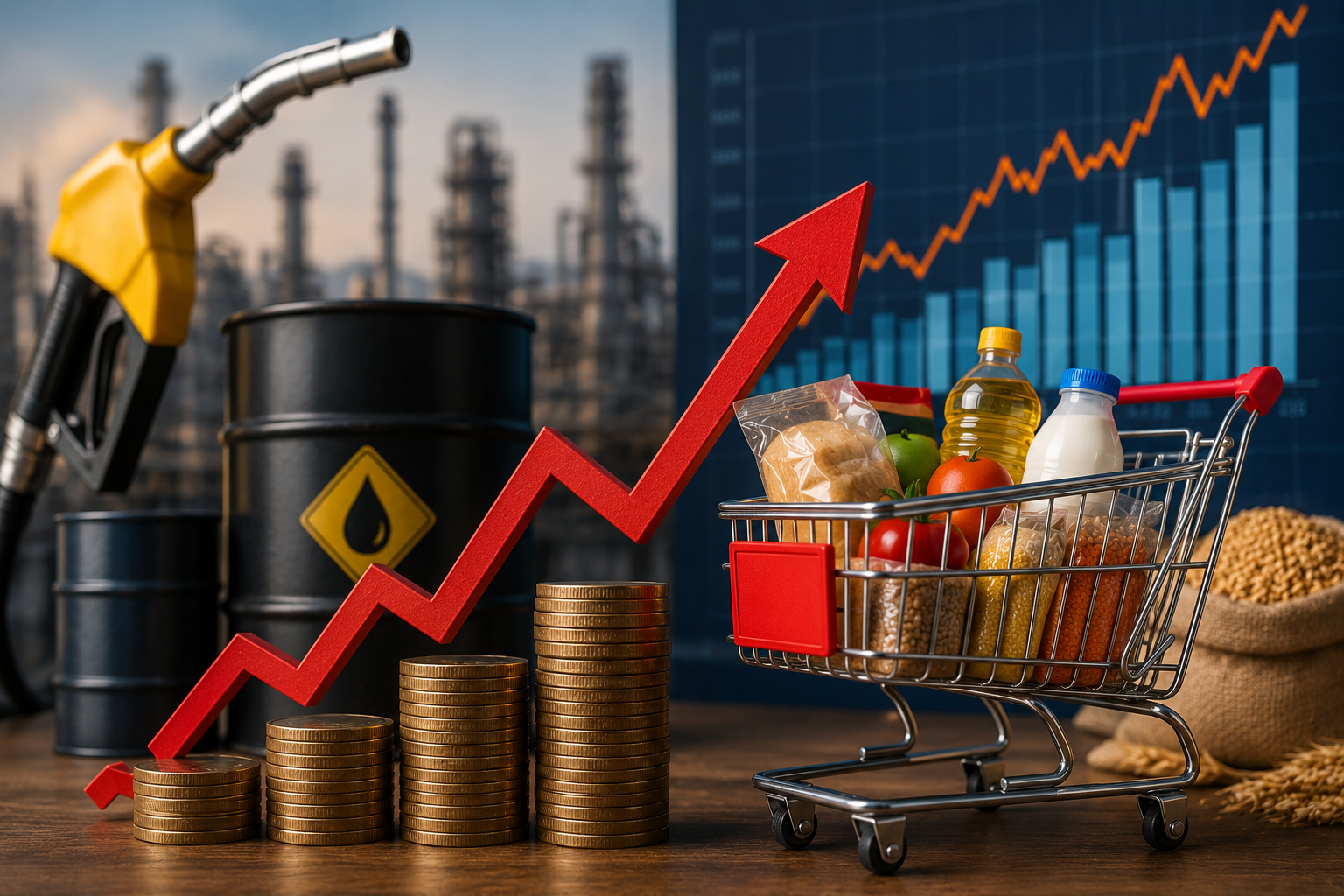
Rising Crude Oil Prices and Supply Chain Costs Could Soon Push Consumer Prices Higher Across India
India’s wholesale inflation surged sharply to 8.3 per cent in April, reaching its highest level in 42 months and signalling growing inflationary pressure across the economy. The sharp increase in the Wholesale Price Index (WPI) has raised concerns among economists and policymakers about whether rising production and supply-chain costs will soon begin impacting retail inflation and household expenses.
The latest inflation data comes at a time when global crude oil prices remain elevated due to geopolitical tensions in West Asia, increasing pressure on fuel costs, transportation expenses and industrial input prices.
Although retail inflation measured through the Consumer Price Index (CPI) remains relatively moderate at 3.48 per cent, analysts believe the sharp rise in wholesale prices may gradually begin filtering into consumer markets over the coming months.
Fuel Prices Drive Sharp Jump in Wholesale Inflation
The biggest contributor to the rise in wholesale inflation was the sharp increase in fuel and power prices.
Fuel inflation surged dramatically during April as global crude oil prices rose amid supply concerns linked to geopolitical instability in energy-producing regions. Petrol, diesel and LPG prices recorded significant increases, adding pressure across transportation, manufacturing and logistics sectors.
Inflation in crude petroleum and natural gas also witnessed a steep rise, reflecting the impact of higher international energy prices on India’s import-dependent economy.
Economists believe fuel costs remain one of the most critical inflation drivers because they influence nearly every sector through transportation, electricity generation and supply-chain operations.
Broad-Based Cost Pressures Emerging Across Economy
The inflation surge was not limited to fuel alone. Primary articles and manufactured products also recorded rising price pressure, indicating that inflationary trends are becoming increasingly broad-based.
Higher input costs in sectors such as metals, chemicals, industrial materials and imported intermediates are now beginning to affect manufacturing activity and supply chains.
Analysts say rising wholesale inflation reflects mounting pressure deep within the production cycle, where businesses are facing higher operating expenses and shrinking margins.
Many companies may initially attempt to absorb some of these costs, but sustained pressure could eventually force price increases for consumers.
Why Retail Inflation Has Remained Relatively Stable So Far
Despite the sharp rise in wholesale inflation, retail inflation has remained comparatively moderate for now.
Economists explain that there is usually a time lag between wholesale price increases and their eventual impact on retail prices. Businesses often delay passing on higher costs to consumers due to competition, existing inventory levels and concerns over consumer demand.
The pass-through effect typically takes one to three months depending on:
- Inventory cycles
- Pricing power of businesses
- Fuel price adjustments
- Consumer demand conditions
- Sector-specific cost structures
This delayed transmission is the reason retail inflation has not yet reflected the full extent of wholesale cost pressure.
Experts Warn Retail Inflation Could Rise Soon
Economists now believe retail inflation may begin moving higher in the coming months if elevated crude oil prices persist and businesses start passing on higher costs to consumers.
Analysts estimate that retail inflation could rise closer to the 4 per cent mark or even higher if fuel price revisions continue and food prices remain elevated.
Fuel-sensitive sectors such as transportation, logistics, packaged foods, FMCG products and daily household essentials are expected to feel the impact first.
Higher transportation and cold-storage costs may also influence prices of vegetables, dairy products and agricultural goods.
If crude oil prices remain elevated globally, inflationary pressure could become more widespread by the second half of the year.
Transport and FMCG Sectors Likely to Face Early Impact
Experts believe transportation and consumer goods sectors will likely experience the earliest inflation spillover effects.
Rising fuel costs increase freight expenses, distribution charges and operating costs for businesses across industries. This eventually affects pricing for packaged foods, household products, beverages and other daily-use goods.
Fast-moving consumer goods (FMCG) companies may face margin pressure if they delay price hikes for too long.
Similarly, sectors dependent on logistics and fuel-intensive operations, including aviation, chemicals and manufacturing, may witness increased cost burdens.
Analysts believe consumers could gradually begin noticing higher prices in everyday products over the next few months.
RBI Expected to Remain Cautious on Interest Rates
The sharp rise in wholesale inflation is also expected to influence the policy outlook of the Reserve Bank of India.
While retail inflation currently remains within the RBI’s comfort range, rising wholesale prices may reduce the possibility of aggressive interest rate cuts in the near term.
Economists believe the central bank is likely to maintain a cautious stance until there is greater clarity regarding:
- Crude oil prices
- Fuel inflation trends
- Supply-chain costs
- Food inflation movement
- Global geopolitical developments
Persistent wholesale inflation may also increase concerns about second-round inflationary effects across the broader economy.
Global Crude Oil Trends Remain Key Risk Factor
One of the biggest variables influencing India’s inflation outlook remains global crude oil prices.
The ongoing geopolitical tensions in West Asia have created uncertainty regarding oil supply routes and energy availability, keeping international crude prices elevated.
India, being one of the world’s largest oil importers, remains particularly vulnerable to sustained increases in energy prices.
Higher crude oil prices not only affect fuel costs but also influence:
- Transportation expenses
- Industrial production costs
- Import bills
- Currency stability
- Fiscal management
Analysts say any further escalation in global energy markets could worsen inflationary pressure domestically.
Consumers May Feel Price Pressure by Mid-Year
While the current inflation impact at the retail level remains relatively limited, economists believe consumers may start experiencing broader price increases by mid-year if wholesale cost pressure continues.
Everyday expenses linked to transportation, food delivery, groceries, dairy products and consumer goods could gradually rise as companies pass on higher operating costs.
Household budgets may also face additional pressure if fuel prices are revised upward again by oil marketing companies.
The pace and extent of inflation transmission will depend heavily on future crude oil trends, government policy action and demand conditions within the economy.
Markets Closely Watching Inflation Outlook
Financial markets are now closely monitoring inflation data as rising price pressure could influence both monetary policy expectations and investor sentiment.
Persistent inflation risks may impact sectors dependent on discretionary spending, while companies with strong pricing power may be better positioned to manage rising costs.
Investors are expected to remain focused on:
- Future fuel price revisions
- RBI policy commentary
- Crude oil price movement
- Consumer demand trends
- Corporate margin outlooks
The next few months are likely to remain crucial for assessing whether wholesale inflation evolves into a broader retail inflation challenge for the Indian economy.