Strategic Fuel Shipments Continue Despite Regional Uncertainty
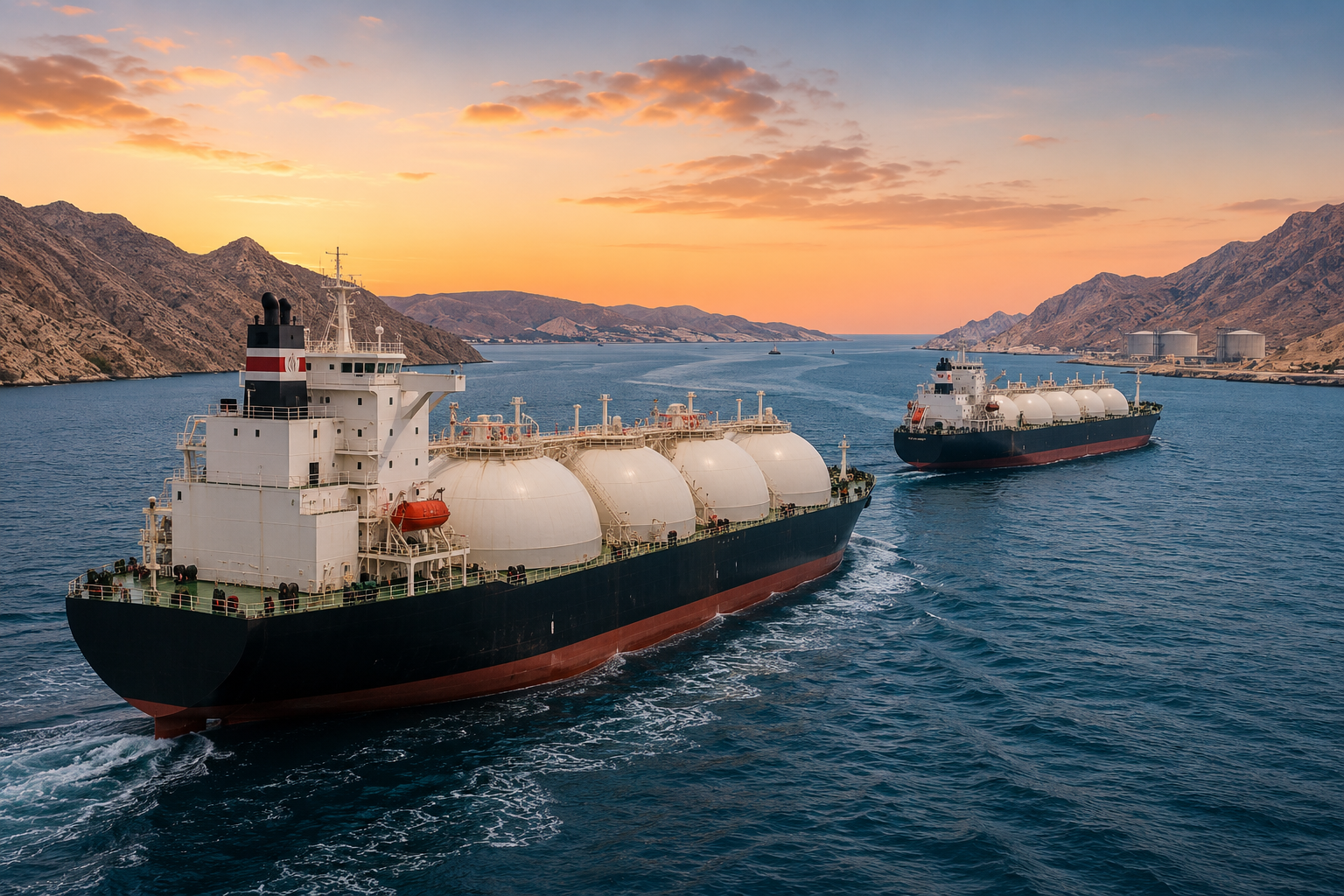
Two India-bound liquefied petroleum gas (LPG) carriers have successfully crossed the highly sensitive Strait of Hormuz, underlining the continued importance of Gulf energy supplies to India despite rising geopolitical tensions in the region.
The vessels — Symi and NV Sunshine — were transporting cooking fuel cargoes from the Persian Gulf toward Indian ports, according to global ship-tracking data. Their movement comes at a time when maritime activity in the Gulf is being closely monitored amid ongoing tensions involving the United States and Iran.
One of the ships, Symi, reportedly reappeared in the Gulf of Oman after temporarily switching off its transponder signal during transit, while NV Sunshine stopped transmitting shortly after crossing the narrow waterway.
The development highlights how global energy trade continues to function despite growing military and diplomatic uncertainty around one of the world’s most critical shipping routes.
Strait of Hormuz Remains a Global Energy Lifeline
The Strait of Hormuz is among the world’s most strategically important maritime chokepoints. A significant portion of global crude oil, LNG, and LPG shipments pass through the narrow corridor connecting the Persian Gulf with international markets.
Any disruption in the region has immediate implications for:
-
Global oil prices
-
Shipping insurance costs
-
Energy supply chains
-
Import-dependent economies such as India, China, Japan, and South Korea
Even amid rising tensions and military deployments, Gulf exporters continue attempting to move fuel cargoes through the route to maintain energy flows and protect export revenues.
India’s Energy Dependence on the Gulf Remains High
India remains heavily dependent on Gulf nations for its energy requirements, particularly crude oil, LPG, and LNG imports.
The latest vessels were reportedly carrying LPG cargoes from:
-
Qatar’s Ras Laffan energy terminal
-
UAE’s Ruwais refinery
The cargoes are expected to reach Indian ports including:
-
Kandla in Gujarat
-
Mangalore in Karnataka
India imports a substantial share of its cooking gas and crude oil requirements from the Middle East, making uninterrupted shipping access through Hormuz extremely important for domestic energy stability.
Any prolonged disruption in the route could affect:
-
LPG availability
-
Fuel prices
-
Inflation trends
-
Refinery operations
-
India’s trade deficit
Increasing Number of Ships Continue Crossing the Strait
The successful movement of the two LPG carriers reflects a broader trend of Gulf exporters continuing shipments despite heightened risks.
Reports indicate that at least nine major vessels carrying oil, LNG, and LPG have crossed the Strait of Hormuz since Sunday. These include:
-
Very Large Crude Carriers (VLCCs)
-
LNG tankers
-
Additional LPG vessels
Some tankers reportedly reduced visibility by limiting public transmission of their positions while navigating sensitive areas.
Energy exporters in the Gulf appear determined to maintain supply continuity despite mounting geopolitical pressure and naval monitoring operations in the region.
Maritime Risks and Security Concerns Intensify
The Gulf region has witnessed growing maritime uncertainty in recent months as tensions between Iran and the United States continue over sanctions, regional security, and energy trade restrictions.
Several vessels in the region have reportedly:
-
Altered routes
-
Reduced transponder activity
-
Delayed crossings
-
Faced naval scrutiny
One Iraq crude-laden supertanker reportedly remained idle in the Gulf of Oman after being redirected by naval forces, highlighting the increasingly complex operating environment for global shipping companies.
Shipping operators are also facing rising:
-
Insurance premiums
-
Freight costs
-
Security expenditures
-
Operational risks
These factors could eventually influence global energy prices if tensions persist.
Impact on Global Energy Markets
Although oil and gas supplies continue flowing through the Strait of Hormuz, markets remain sensitive to any sign of escalation.
Even limited disruptions in the region can trigger:
-
Crude oil price spikes
-
Volatility in LNG and LPG prices
-
Currency pressure in importing nations
-
Higher transportation costs
For India, stable Gulf supplies are essential to managing inflation and ensuring uninterrupted energy availability, especially as domestic fuel demand continues to rise.
Analysts believe that sustained instability around Hormuz could increase India’s import bill and place added pressure on the rupee and current account deficit.
India Likely to Closely Monitor Developments
Indian authorities and energy companies are expected to closely track developments in the Gulf, given the country’s dependence on imported energy.
India has been actively diversifying its energy sourcing strategy in recent years through imports from Russia, the United States, and Africa. However, the Middle East remains a dominant supplier because of geographical proximity and established trade infrastructure.
Experts say India may continue focusing on:
-
Strategic petroleum reserves
-
Supply diversification
-
Long-term LNG contracts
-
Shipping security coordination
to reduce vulnerability to geopolitical disruptions.
Outlook
The successful transit of India-bound LPG carriers through the Strait of Hormuz offers temporary reassurance for global energy markets, but underlying geopolitical risks remain elevated.
As tensions continue in the Gulf region, the Strait of Hormuz is likely to remain a focal point for global energy security, shipping activity, and market volatility. For India, uninterrupted access to Gulf fuel supplies will remain critical for maintaining energy stability and economic growth in the months ahead.