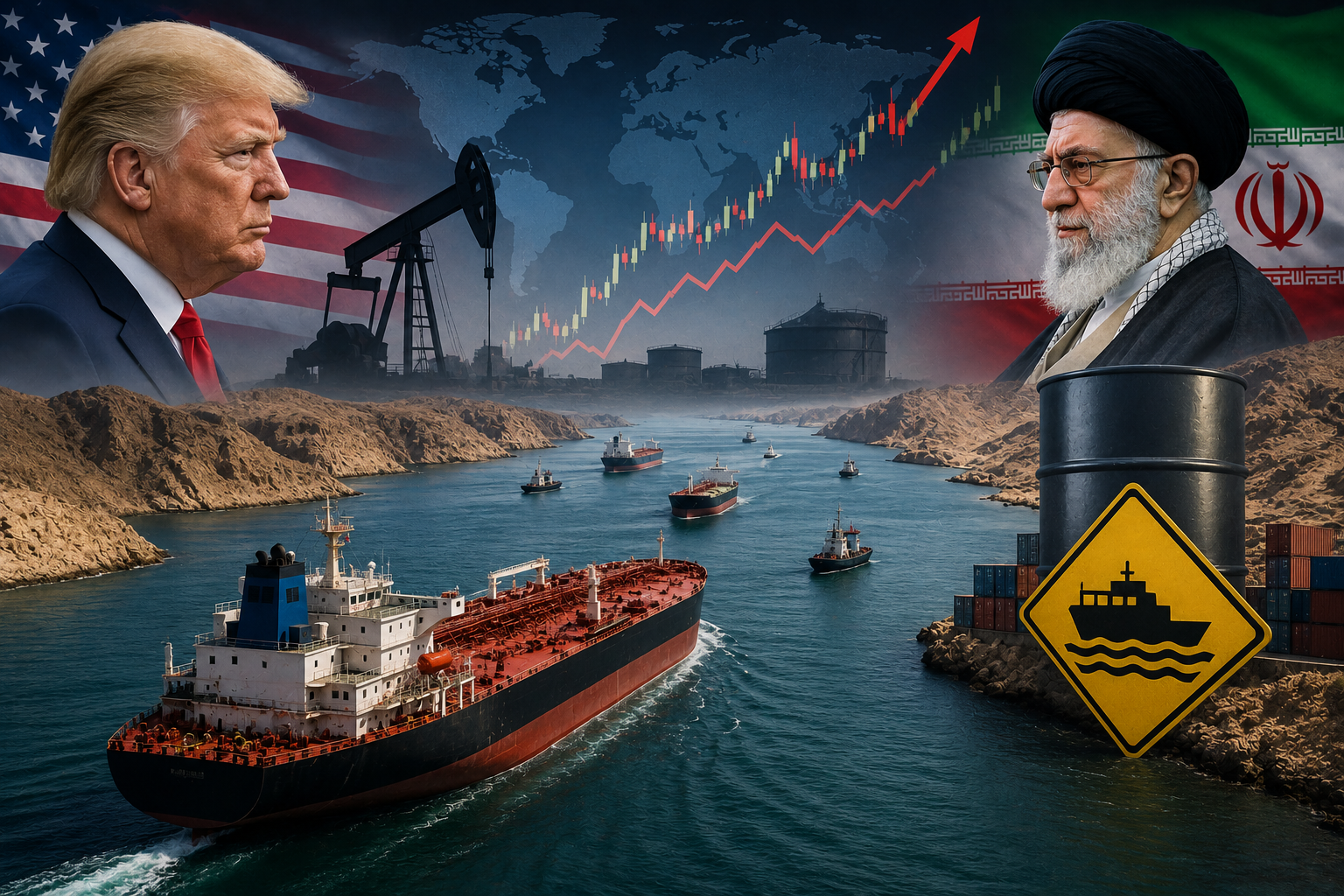
Oil Markets Jittery as Global Energy Crisis Deepens
Global energy markets remained under intense pressure after fresh diplomatic efforts between the United States and Iran failed to produce a breakthrough, prolonging severe shipping disruptions in the Strait of Hormuz and pushing crude oil prices sharply higher.
The situation escalated after US President Donald Trump publicly rejected Iran’s latest response to Washington’s peace proposal, warning that the fragile ceasefire was now on “life support.”
The comments intensified fears of a prolonged geopolitical conflict in West Asia, keeping global investors, energy markets and governments on edge amid concerns over supply-chain disruption, inflation and economic slowdown.
Shipping Movement Through Hormuz Remains Severely Disrupted
The Strait of Hormuz — one of the world’s most strategically important oil transit corridors — continued to witness near standstill conditions on Tuesday as military tensions remained elevated across the Gulf region.
Why the Strait of Hormuz Matters
- Nearly one-fifth of global oil supply passes through the route
- Major LNG shipments transit through the corridor
- Gulf energy exports depend heavily on the strait
- Asian economies rely significantly on Hormuz-linked energy supplies
The prolonged disruption has already impacted the movement of:
- Oil tankers
- LNG carriers
- Commercial shipping vessels
- Energy exports from Gulf nations
Analysts warn that continued instability could create sustained pressure on global energy prices and international trade routes.
Trump Rejects Iran’s Latest Proposal
Speaking at the Oval Office, Trump strongly criticized Tehran’s latest response to the US peace proposal.
According to Trump:
- Iran’s proposal was “a piece of garbage”
- The ceasefire was currently on “life support”
- Diplomatic efforts remain possible but fragile
Despite the sharp remarks, Trump stopped short of announcing fresh military action against Iran and stated that a diplomatic resolution was still achievable.
The comments came just days before Trump’s planned meeting with Chinese President Xi Jinping in Beijing, where global energy security and geopolitical stability are expected to dominate discussions.
Iran Demands Sanctions Relief and Strategic Control
According to reports, Iran responded to the US proposal by demanding:
Iran’s Key Conditions
- Removal of US naval blockade measures
- Relief from economic sanctions
- Continued influence over shipping traffic through Hormuz
Analysts believe Tehran’s insistence on retaining strategic leverage over the strait remains a major obstacle to any immediate diplomatic breakthrough.
So far, Iranian authorities have shown little public willingness to step back despite facing mounting economic and military pressure.
Brent Crude Surges Above $106
Oil prices reacted sharply to the deteriorating diplomatic situation and ongoing supply disruption concerns.
Latest Oil Market Movement
- Brent crude climbed over 2%
- Prices moved above $106 per barrel
Energy traders continue to price in the risk of prolonged supply bottlenecks and wider geopolitical escalation.
The latest rally has intensified fears of a fresh global energy shock similar to previous oil crises triggered by geopolitical conflicts.
Global Inflation Risks Intensify
Higher crude oil prices are now increasing concerns about a renewed wave of global inflation.
Sectors Most Vulnerable
- Transportation
- Manufacturing
- Aviation
- Logistics
- Consumer goods
- Food supply chains
Economists warn that rising fuel costs could increase production expenses globally and further pressure already fragile supply chains.
Bond Markets React to Inflation Fears
The rise in oil prices also impacted global bond markets as investors reassessed inflation expectations and interest rate risks.
Market Reaction
- US 10-year Treasury yield moved higher
- Inflation concerns pushed bond prices lower
- Investors reduced risk exposure across markets
Analysts believe central banks may face renewed pressure to maintain tighter monetary policies if energy prices remain elevated.
Conflict Enters 10th Week Without Resolution
The ongoing US-Iran confrontation has now entered its tenth week without any meaningful diplomatic settlement.
The prolonged conflict has already:
- Triggered a global energy crisis
- Increased financial market volatility
- Raised fears of economic slowdown
- Created political pressure on governments worldwide
The absence of a clear resolution continues to increase uncertainty across global markets.
US Releases Strategic Oil Reserves
To ease pressure on global oil supplies and stabilize prices, the US government announced additional releases from its strategic petroleum reserves.
Key Details of Reserve Release
- More than 53 million barrels released
- Allocations awarded to energy companies and refiners
- Intended to stabilize supply chains and reduce fuel costs
Companies receiving allocations reportedly include:
- Trafigura Group
- Marathon Petroleum
Analysts believe the move may offer temporary relief but may not fully offset the impact of prolonged Hormuz disruption.
Trump Supports Temporary Gasoline Tax Relief
Facing rising domestic fuel prices, Trump also expressed support for a temporary gasoline tax holiday in the United States.
The proposal aims to:
- Reduce fuel costs for consumers
- Ease inflationary pressure
- Support household spending
However, economists estimate that the measure could cost the US government billions of dollars monthly if implemented for an extended period.
Reports Suggest Wider Regional Escalation
Media reports citing unnamed sources suggested that the United Arab Emirates may have carried out operations targeting Iran last month.
Although no official confirmation has emerged, the reports have increased fears that the conflict could expand into a broader regional confrontation involving multiple Gulf nations.
India and Asia Remain Highly Exposed
Asian economies remain among the most vulnerable to the ongoing Hormuz disruption because of their heavy dependence on Gulf energy imports.
Countries Most Exposed
- India
- China
- Japan
- South Korea
Analysts believe prolonged supply disruption could sharply increase import bills and inflationary pressures across the region.
India Faces Rising Economic Pressure
For India, the continued crisis poses serious macroeconomic risks.
Key Risks for India
- Higher crude oil import bill
- Pressure on current account deficit
- Rupee depreciation
- Rising inflation
- Fiscal strain
India imports nearly 90% of its crude oil requirements, making the economy highly sensitive to sustained oil price spikes.
Financial Markets Remain Highly Volatile
Global markets continue to witness sharp swings as investors react to every geopolitical development.
Investors Closely Monitoring
- Hormuz shipping activity
- US-Iran diplomatic talks
- Oil price movement
- Military developments
- Central bank responses
Equity markets, currencies and commodity prices are expected to remain volatile until greater clarity emerges.
Outlook: Energy Markets Likely to Stay Unstable
Analysts believe oil and financial markets could remain under pressure unless there is meaningful diplomatic progress between Washington and Tehran.
Key Factors to Watch
- Stability of the ceasefire
- Shipping recovery in Hormuz
- Strategic reserve releases
- Further military escalation
- Diplomatic negotiations
Until supply routes normalize and geopolitical tensions ease, global markets are likely to continue pricing in elevated energy and inflation risks.