Partnership Marks JSW Energy’s First Power Generation Venture Outside India
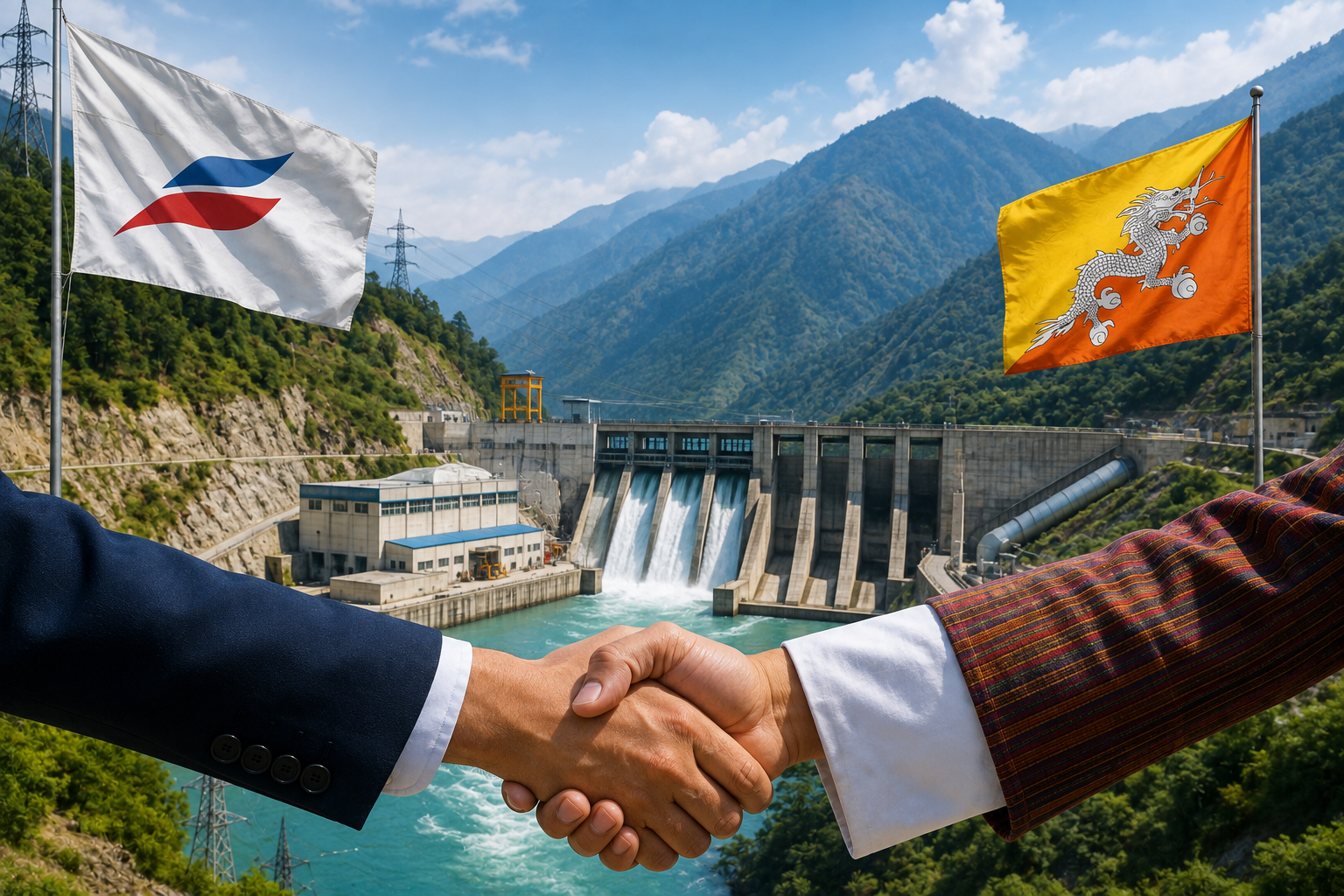
JSW Energy’s subsidiary JSW Neo Energy has entered into an agreement with Bhutan’s Druk Green Power Corporation (DGPC) to jointly develop the 920 MW Punatsangchhu-III hydroelectric project in Bhutan.
The agreement marks an important expansion in JSW Energy’s power-generation ambitions, as the project represents the company’s first power generation venture outside India.
The pact was signed in the presence of the Prime Minister of Bhutan, highlighting the strategic importance of the proposed hydroelectric development for both countries.
920 MW Project to Be Developed Through Joint Venture
According to the company, the Punatsangchhu-III project will be developed through a newly established joint venture company.
Under the proposed ownership structure:
-
Druk Green Power Corporation (DGPC): 51%
-
JSW Neo Energy: 49%
The partnership brings together Bhutan’s state-owned power utility and JSW Energy’s renewable energy subsidiary for the development of a large-scale hydropower project.
The structure allows DGPC to retain majority ownership while providing JSW Neo with a significant strategic participation in Bhutan’s hydropower sector.
Strategic Entry Into Bhutan’s Power Generation Market
For JSW Energy, the agreement represents more than an individual project opportunity. It provides the company with an entry point into Bhutan’s power-generation market and marks its first generation asset outside India.
JSW Energy has been expanding its renewable energy portfolio as part of its broader strategy to increase clean-energy capacity. Hydropower can complement solar and wind generation because of its ability to provide relatively flexible and dependable electricity generation.
The Bhutan project therefore has the potential to add an international dimension to the company’s renewable energy portfolio.
Bhutan’s Strong Hydropower Potential
Bhutan has significant hydropower potential due to its mountainous terrain and extensive river systems.
Hydropower forms a major component of the country's electricity generation ecosystem and has also played an important role in Bhutan-India energy cooperation.
The development of additional generation capacity could strengthen Bhutan's domestic electricity supply while creating opportunities for electricity exports, subject to applicable agreements and regulations.
Punatsangchhu-III Adds to Regional Energy Cooperation
The project also fits into the broader energy relationship between India and Bhutan.
The two countries have historically cooperated on hydropower development, with Bhutan exporting surplus electricity to India. Large hydroelectric projects can therefore have implications beyond individual companies by contributing to regional energy security and cross-border electricity trade.
The participation of an Indian power company such as JSW Neo could further deepen private-sector involvement in this relationship.
JSW Energy Continues Renewable Energy Expansion
JSW Energy has been increasing its focus on renewable and low-carbon power generation as India's energy transition accelerates.
The company's strategy includes investments across renewable energy and other power-generation technologies, with an objective of expanding its overall generation portfolio.
Entering Bhutan's hydropower sector provides another avenue for capacity expansion while diversifying the company's geographic exposure.
Why Hydropower Matters for the Energy Transition
Solar and wind power have become major sources of new renewable capacity, but their generation varies depending on weather and time of day.
Hydropower can provide a more controllable source of electricity and can complement intermittent renewable sources. Large hydro projects can therefore play a role in balancing electricity systems as renewable penetration increases.
The Punatsangchhu-III project could potentially contribute to this broader regional transition towards cleaner power generation.
Potential Benefits for Both Partners
The joint venture structure provides strategic advantages to both JSW Neo and DGPC.
For DGPC, the partnership brings an experienced private-sector power developer into a major hydropower project while allowing Bhutan's utility to retain majority ownership.
For JSW Neo, the arrangement provides access to Bhutan's hydropower resources and creates an opportunity to establish an international presence in power generation.
The project could also provide JSW Energy with experience in developing and operating large-scale generation assets outside India.
Execution and Financing Will Be Key
While the agreement represents a significant strategic development, the eventual success of the project will depend on execution.
Large hydropower projects typically involve substantial capital expenditure, long construction timelines and complex engineering requirements. Mountainous terrain can add to construction challenges, while environmental and regulatory considerations can also influence project schedules and costs.
Financing arrangements, project timelines, construction progress and the eventual power-sale structure will therefore be important factors for investors to monitor.
International Expansion Creates New Opportunities and Risks
JSW Energy's first power-generation venture outside India could diversify its growth opportunities, but international projects also introduce additional risks.
These can include regulatory differences, currency exposure, cross-border financing considerations, construction risks and changes in regional power markets.
For investors, the ability of JSW Neo and DGPC to execute the project within the expected cost and timeline will be crucial in determining its eventual contribution to JSW Energy's growth.
Bhutan Project Strengthens India-Bhutan Energy Linkages
The agreement also carries broader strategic significance for India and Bhutan.
Bhutan's hydropower resources and India's large electricity market provide a natural basis for energy cooperation. Greater generation capacity in Bhutan could support electricity exports while strengthening regional power connectivity.
The involvement of JSW Energy adds a major Indian corporate participant to this expanding energy relationship.
What Investors Should Watch
Investors tracking JSW Energy will likely focus on several developments following the signing of the pact:
Project execution: Progress towards construction and commissioning will be a key indicator.
Capital requirements: The investment required for the 920 MW project and its funding structure will determine the impact on the company's balance sheet.
Capacity growth: The project could contribute meaningfully to JSW Energy's long-term generation portfolio if successfully executed.
International expansion: The venture could indicate whether JSW Energy plans to pursue additional opportunities outside India.
Hydropower economics: The project's eventual tariff, power offtake arrangements and operating economics will be important for assessing returns.
Market Outlook
The agreement between JSW Neo Energy and Bhutan's DGPC to jointly develop the 920 MW Punatsangchhu-III hydropower project marks a significant strategic step for JSW Energy, particularly because it represents the company's first power-generation venture outside India.
The project strengthens JSW Energy's renewable-energy growth strategy while giving it exposure to Bhutan's significant hydropower potential. For Bhutan, the partnership brings an experienced Indian power company into a major generation project while maintaining majority ownership through DGPC.
The immediate focus will now shift towards project financing, approvals, construction timelines and execution. If the project progresses as planned, it could strengthen JSW Energy's international renewable-energy footprint and further deepen India-Bhutan cooperation in the power sector.