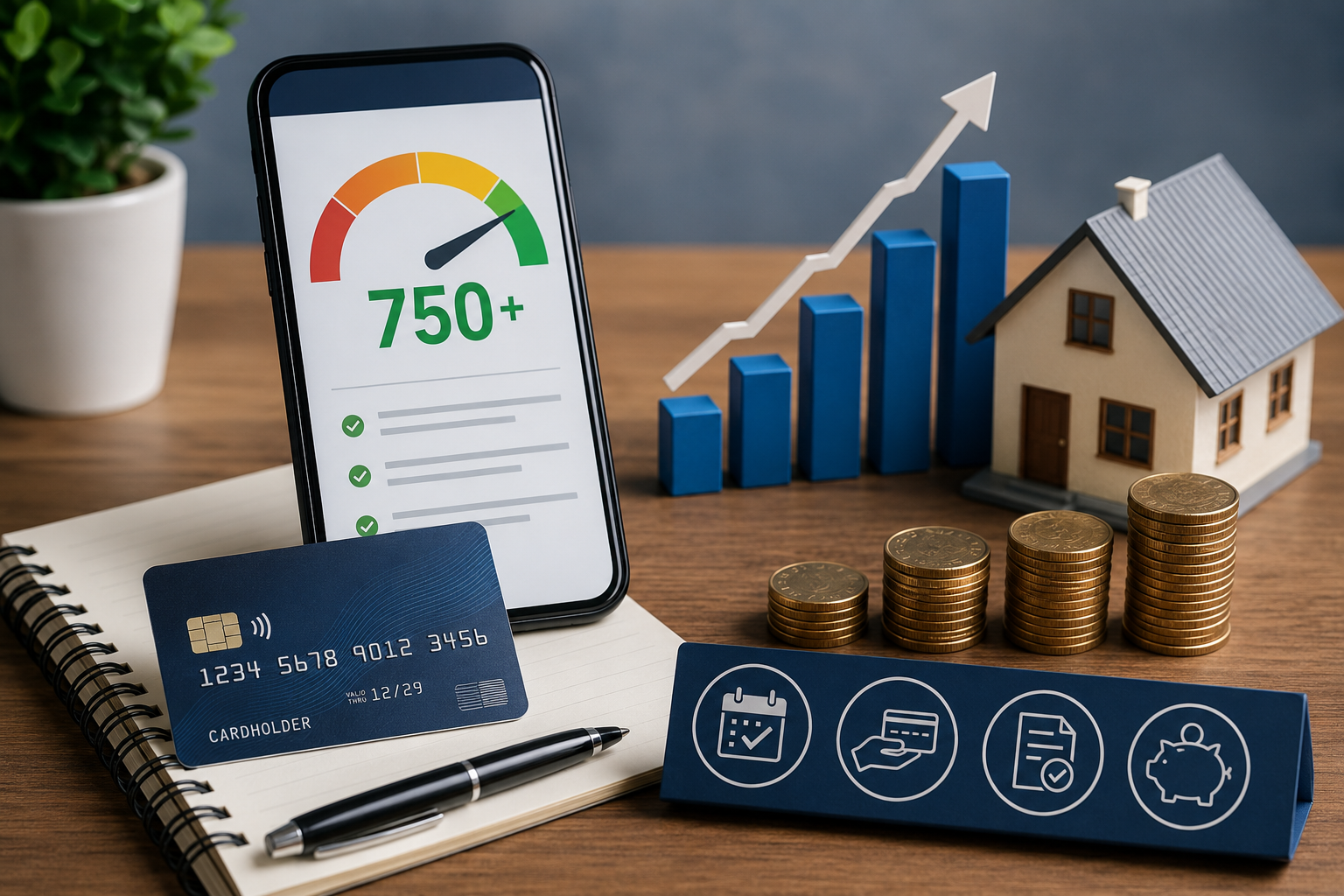
From Your First Credit Card to a 750+ Credit Score—Smart Financial Habits That Can Improve Loan Eligibility and Lower Borrowing Costs
In today's financial world, a strong credit score is one of the most valuable assets an individual can possess. Whether you plan to buy a home, finance a car, start a business, or simply qualify for a premium credit card, your credit history plays a crucial role in determining how lenders perceive your financial discipline.
However, for first-time borrowers, building a credit history often presents a unique challenge. Without an existing credit record, banks have little information to assess repayment behaviour, making it difficult to obtain credit products. This creates a classic catch-22—you need credit to build a credit score, but you need a credit score to access credit.
The good news is that establishing a strong credit profile is entirely achievable through disciplined financial habits and a structured approach. Experts suggest that maintaining a CIBIL score of 750 or above significantly improves the chances of loan approvals while helping borrowers negotiate better interest rates and higher credit limits.
Why a Credit Score Matters
A credit score is a numerical representation of your financial reliability. It reflects how responsibly you have managed borrowed money over time and serves as one of the primary parameters used by banks and financial institutions when evaluating loan applications.
A strong credit score can provide several financial advantages, including:
-
Faster approval for home, vehicle and personal loans.
-
Lower interest rates on long-term borrowings.
-
Higher credit card limits.
-
Better eligibility for premium banking products.
-
Improved negotiating power with lenders.
-
Easier access to unsecured loans.
Conversely, a weak or non-existent credit history may result in loan rejections, lower sanctioned amounts, or higher borrowing costs.
Step One: Check Whether You Already Have a Credit Record
Before applying for any financial product, individuals should first verify whether they already have a credit profile.
Many first-time earners unknowingly possess a credit history because they were associated with:
-
Education loans.
-
Consumer durable loans.
-
Co-borrower arrangements with parents.
-
Existing EMI financing.
-
Older credit cards that remain active.
Obtaining a credit report before submitting applications helps avoid unnecessary loan rejections and prevents multiple hard inquiries, which can negatively affect future creditworthiness.
Begin with a Secured Credit Card
For individuals with no credit history, financial experts recommend starting with a secured credit card.
Unlike conventional credit cards, secured cards are issued against a fixed deposit (FD). Since the deposit acts as collateral, banks face minimal risk and are generally willing to issue such cards even to customers without any credit history.
For example:
-
Fixed Deposit: ₹20,000–₹50,000
-
Credit Limit: Generally 80–90% of the FD value
Using a secured credit card responsibly enables borrowers to establish repayment behaviour without taking excessive financial risk.
Treat Credit Like Cash, Not Extra Income
One of the most common mistakes among new credit card users is viewing the available credit limit as additional disposable income.
Financial planners advise using the card only for expenses that would have been paid through cash or a debit card, such as:
-
Grocery purchases.
-
Fuel expenses.
-
Utility bills.
-
Mobile and internet payments.
-
Subscription services.
By spending only what already exists in the savings account, borrowers avoid unnecessary debt while simultaneously building a positive repayment history.
Follow the 30% Credit Utilisation Rule
Credit utilisation refers to the percentage of your available credit limit that you actually use.
Maintaining utilisation below 30% is widely considered one of the healthiest credit habits.
For instance:
| Credit Limit | Recommended Maximum Monthly Usage |
|---|---|
| ₹30,000 | ₹9,000 |
| ₹50,000 | ₹15,000 |
| ₹1,00,000 | ₹30,000 |
Higher utilisation ratios often indicate financial stress, whereas lower utilisation demonstrates responsible credit management.
Even if your credit limit is large, consistently spending close to the maximum limit can negatively impact your credit score.
Never Miss a Payment
Payment history carries the highest weight in credit score calculations.
Missing a payment—even by a few days—can remain on your credit report for years and reduce your creditworthiness.
Experts recommend:
-
Setting up automatic bill payments.
-
Paying the entire outstanding balance, not just the minimum due.
-
Scheduling payments at least three days before the due date.
-
Keeping sufficient bank balance before the auto-debit date.
Consistent repayment is one of the fastest ways to build lender confidence.
Diversify Your Credit Portfolio Gradually
After using a secured credit card responsibly for six to twelve months, borrowers may consider adding another form of credit.
A small zero-cost EMI purchase—such as a laptop, refrigerator, washing machine or smartphone—helps demonstrate the ability to manage instalment-based repayments alongside revolving credit.
A diversified credit portfolio generally strengthens a borrower's financial profile because it reflects responsible management of different borrowing products.
However, experts caution against taking unnecessary loans solely for the purpose of improving a credit score.
Keep Your Oldest Credit Account Active
The age of your credit history is another important factor considered by credit bureaus.
Many borrowers make the mistake of closing their first secured credit card after qualifying for a regular unsecured card.
Doing so can reduce the average age of credit accounts and temporarily lower the credit score.
Whenever possible, borrowers should request their bank to convert the secured card into a regular card rather than cancelling it.
Maintaining older accounts helps build a stronger long-term credit profile.
Monitor Your Credit Report Regularly
Building credit is not a one-time exercise. Regular monitoring helps ensure that your financial behaviour is accurately reflected in your credit report.
Experts recommend downloading the CIBIL report every six months to review:
-
Payment history.
-
Outstanding balances.
-
Active loans.
-
Closed accounts.
-
Hard inquiries.
-
Personal information.
-
Any fraudulent or duplicate accounts.
Errors can occur due to incorrect reporting by lenders. Promptly raising disputes with the credit bureau can prevent unnecessary damage to your credit profile.
Avoid These Common Credit Score Mistakes
Several avoidable mistakes can delay or even reverse the progress of building a healthy credit history.
Applying for Multiple Credit Cards
Submitting numerous applications within a short period generates multiple hard inquiries, signalling financial desperation to lenders.
Maxing Out Credit Limits
Regularly using more than 70–80% of your available limit increases credit utilisation and negatively impacts your score.
Paying Only the Minimum Due
Although minimum payments prevent default, they also result in high interest costs and prolonged debt.
Closing Old Credit Cards
Closing your oldest account reduces the average age of your credit history.
Ignoring Credit Reports
Undetected reporting errors may continue affecting your score unless corrected promptly.
How Long Does It Take to Build a Good Credit Score?
Building credit requires patience and consistency.
Typically:
-
First 6 Months: Credit bureaus generate your initial score.
-
After 12 Months: A solid repayment history begins to emerge.
-
12–18 Months: A strong and stable credit profile develops.
-
Beyond 2 Years: Longer account history further improves lender confidence.
Financial experts often describe credit building as a marathon rather than a sprint.
Practical Action Plan for First-Time Borrowers
Individuals beginning their credit journey can follow these simple steps:
Step 1
Open a fixed deposit between ₹20,000 and ₹50,000.
Step 2
Apply for a secured credit card against the FD.
Step 3
Limit monthly spending to less than 30% of the available credit limit.
Step 4
Pay the full outstanding balance every month before the due date.
Step 5
Avoid unnecessary credit card or loan applications.
Step 6
After six to twelve months, consider adding a small zero-cost EMI purchase.
Step 7
Review your CIBIL report twice every year.
Step 8
After maintaining a clean repayment history for one year, apply for your first unsecured credit card.
Financial Discipline Is More Valuable Than Credit Limits
Many people believe that owning multiple credit cards or higher limits automatically improves their financial standing. In reality, lenders value repayment consistency far more than the amount of credit available.
Responsible borrowing, disciplined spending and timely repayments gradually build trust with financial institutions. Over time, this trust translates into easier access to larger loans, better interest rates and greater financial flexibility.
Insight
A healthy credit score is not built overnight—it is earned through consistent financial discipline. First-time borrowers should focus on establishing a solid repayment track record rather than chasing premium credit cards or large loans. Beginning with a secured credit card, maintaining low credit utilisation, paying bills on time and regularly monitoring credit reports can steadily strengthen financial credibility. With patience and responsible money management, a strong CIBIL score can become a gateway to affordable borrowing, improved financial opportunities and long-term wealth creation.