GTRI Raises Concerns Over Growing Control of Consumer Financial Data by Global Technology Giants
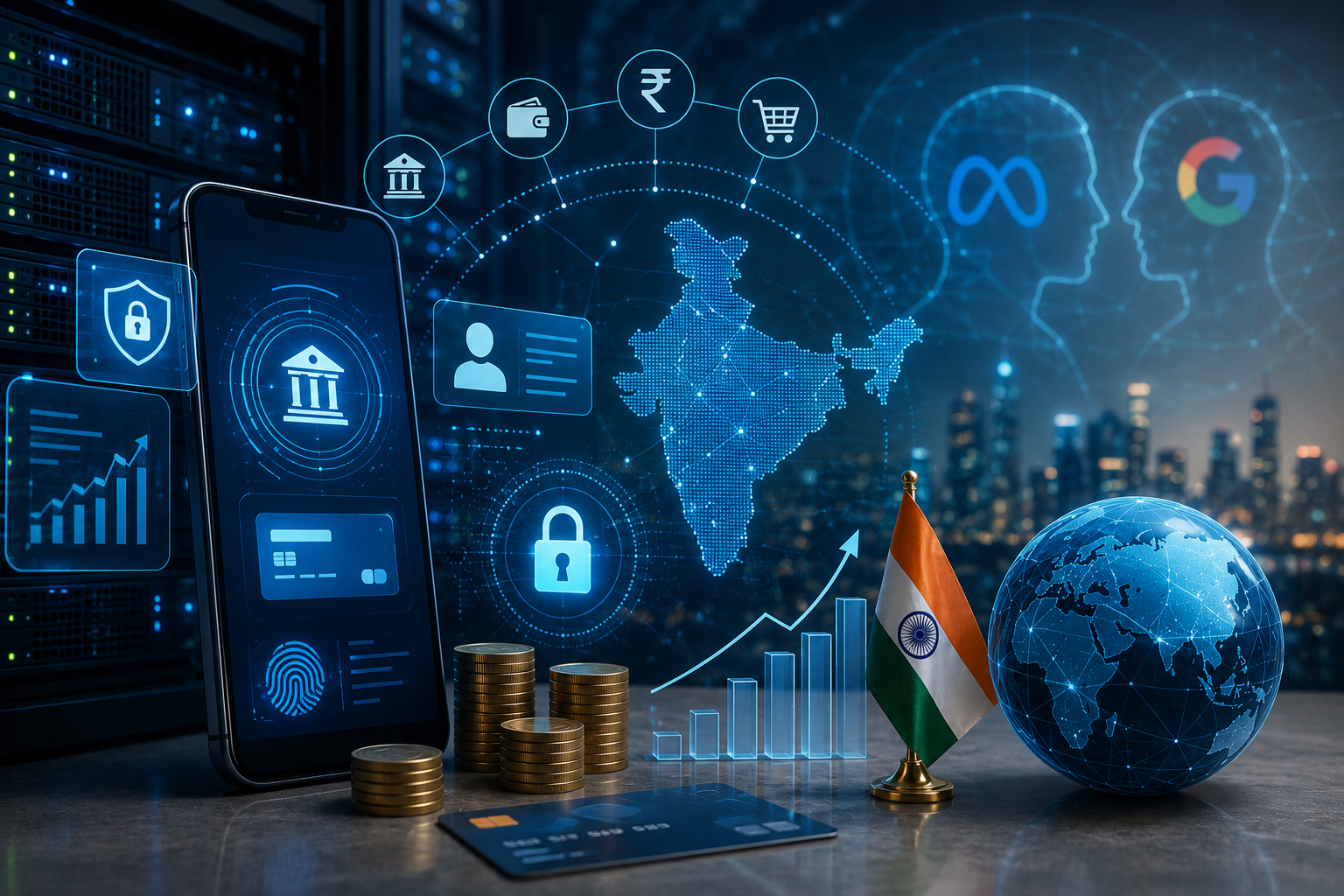
A major investment by global technology company Meta into Indian fintech platform CRED has reignited discussions around data sovereignty, digital competition and foreign participation in India's rapidly expanding financial technology sector. The Global Trade Research Initiative (GTRI) has expressed concerns that the transaction could further increase the influence of international technology firms over India's digital financial ecosystem and the vast pool of consumer data generated by millions of users.
The think tank argues that while foreign investment has played a crucial role in building India's startup ecosystem, increasing ownership and influence by global technology giants over key fintech platforms raises important policy questions about data governance, market concentration and long-term digital independence.
Meta's $900 Million Bet on India's Fintech Growth Story
Meta's reported investment of approximately $900 million in CRED represents one of the largest strategic bets by a global technology company on India's fintech sector.
CRED has evolved beyond a credit card payment platform into a broader financial services ecosystem offering products related to loans, investments, insurance, rewards and financial management. The platform serves a large base of affluent consumers, making it a valuable source of insights into spending habits, credit behavior and financial decision-making.
Industry observers believe the investment reflects growing confidence in India's digital economy, which continues to witness rapid adoption of online payments, digital lending and financial services.
Financial Data Emerging as a Strategic Asset
At the center of the debate is the growing importance of consumer financial data.
Experts increasingly describe data as one of the most valuable assets in the digital economy. Information related to spending patterns, borrowing behavior, investment preferences and payment transactions allows companies to develop targeted products, improve risk assessment and enhance customer engagement.
According to GTRI, platforms such as CRED possess extensive datasets covering credit card usage, loan repayments, investment activities, insurance purchases and digital payment behavior.
As artificial intelligence becomes more integrated into financial services, access to high-quality consumer data is expected to become even more valuable.
Foreign Technology Giants Expanding Across India's Payments Ecosystem
The concern raised by GTRI extends beyond a single transaction.
India's digital payments infrastructure already includes significant participation from global technology companies. Major payment platforms operating in the country have links to some of the world's largest technology firms.
Industry analysts note that:
- PhonePe has backing from Walmart.
- Google Pay is part of Google's global ecosystem.
- WhatsApp Pay operates under Meta's ownership.
- Several fintech startups have attracted significant foreign investment from global venture capital and technology investors.
This increasing presence has prompted discussions about the concentration of financial and consumer data within global technology ecosystems.
Balancing Foreign Investment and Digital Sovereignty
India has benefited enormously from foreign investment in technology and fintech over the past decade. International capital has helped startups scale rapidly, improve technology infrastructure and expand access to financial services.
However, policymakers globally are increasingly examining how to balance foreign investment with national interests related to data security, competition and digital sovereignty.
Supporters of foreign investment argue that global capital brings expertise, innovation and resources that accelerate economic growth. Critics, however, caution that excessive concentration of data and digital infrastructure in the hands of a few multinational corporations could create long-term strategic vulnerabilities.
India's Fintech Sector Continues to Expand
India is one of the world's fastest-growing fintech markets, driven by:
- Widespread adoption of UPI payments
- Rapid smartphone penetration
- Expanding internet connectivity
- Government-backed digital infrastructure
- Growing financial inclusion
- Increasing acceptance of digital banking services
The sector has attracted billions of dollars in investments over the past several years and is expected to remain one of the most active segments of the Indian startup ecosystem.
Industry estimates suggest that India's fintech market could grow several times over the next decade as digital financial services become increasingly embedded in everyday life.
Regulatory Focus on Data Governance
The discussion surrounding the Meta-CRED transaction also comes at a time when regulators are placing greater emphasis on data protection and digital governance.
India's evolving data protection framework seeks to establish clearer rules regarding data collection, storage, processing and sharing. Financial regulators have also introduced measures to enhance cybersecurity and protect consumer interests.
Experts believe future policy discussions may increasingly focus on how financial data is managed, who has access to it and how cross-border technology investments impact data ecosystems.
What It Means for Investors
For investors, the transaction highlights the growing strategic importance of India's fintech sector. Platforms with access to large user bases and rich financial datasets are becoming highly attractive acquisition and investment targets.
The deal also reflects broader global trends where technology companies are seeking deeper integration with financial services, creating ecosystems that combine payments, commerce, communication and financial products.
As digital finance continues to evolve, ownership of customer relationships and data assets is likely to remain a key driver of corporate valuations and investment activity.
The Bigger Picture
The Meta-CRED investment represents more than just a financial transaction. It highlights the growing convergence of technology, finance and data in the modern digital economy.
For India, the challenge will be balancing the benefits of foreign investment and innovation with the need to maintain competitive markets, protect consumer interests and ensure long-term control over critical digital infrastructure.
As policymakers, investors and industry leaders debate the implications of increasing foreign participation in fintech, one thing is clear: data and digital financial platforms are becoming some of the most strategically important assets in the country's economic future.
The outcome of these discussions could shape the next chapter of India's fintech growth story and define how the country navigates the evolving global digital economy.