Newly Released Testimony Reveals Microsoft's Co-Founder Confronted Epstein Over Alleged Attempts to Gain Leverage
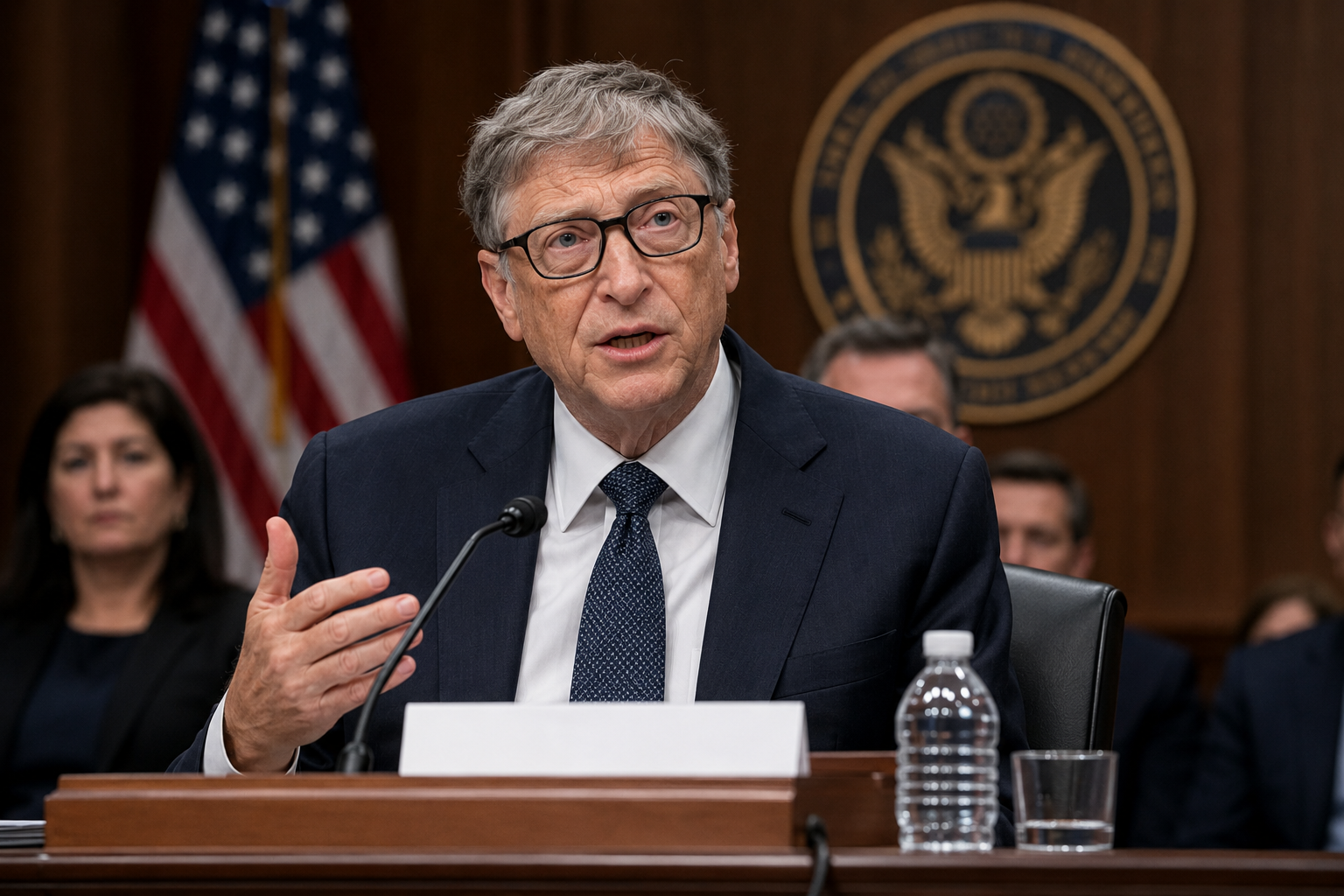
Fresh transcripts released by the US House Oversight Committee have shed new light on the relationship between billionaire philanthropist Bill Gates and convicted sex offender Jeffrey Epstein. In closed-door testimony given earlier this month, Gates stated that he believed Epstein may have been considering blackmailing him by gathering personal information and attempting to use it as leverage.
The testimony forms part of an ongoing congressional investigation into Epstein's extensive network of relationships with influential figures across business, politics, academia, and finance. While Gates stressed that he was never blackmailed and never provided Epstein with financial concessions, the newly released documents offer a detailed account of their interactions and the concerns that eventually led Gates to sever ties with the disgraced financier.
Gates Says Epstein Collected Information About His Personal Affairs
One of the key revelations from the testimony centers on emails and records allegedly maintained by Epstein regarding Gates' personal life.
According to Gates, Epstein documented details relating to his extramarital affairs and included numerous statements that Gates described as false or misleading. While Gates acknowledged some of the personal matters referenced in the communications, he maintained that many of Epstein's claims lacked credibility.
The Microsoft co-founder told lawmakers that the content of the communications appeared to suggest that Epstein was gathering information that could potentially be used to exert influence or pressure.
"I Was Never Blackmailed"
Gates made it clear during the hearing that no blackmail attempt was ever successfully carried out.
However, he stated that after reviewing various communications, it appeared that Epstein's thought process may have been moving in that direction. Gates testified that he recognized the possibility early and directly confronted Epstein about it.
The billionaire emphasized that he was prepared to face any personal embarrassment rather than allow himself to be manipulated through threats or pressure.
Direct Confrontation Led to Breakdown in Relationship
According to the testimony, Gates addressed the issue head-on during discussions with Epstein.
Gates recalled telling Epstein that any attempt to extract money, influence, or support through personal information would fail. He reportedly informed Epstein that he would rather endure reputational damage than continue a relationship under coercive circumstances.
The testimony suggests that this confrontation played a significant role in Gates' decision to distance himself from Epstein permanently.
Refusal to Support Philanthropic Requests
Another issue discussed during the hearing involved requests from Epstein for philanthropic donations and support.
Gates testified that Epstein repeatedly sought involvement in charitable initiatives and attempted to position himself within philanthropic circles connected to the billionaire's global development work.
However, Gates said he consistently rejected those requests and refused to make donations or financial commitments linked to Epstein.
Congressional Investigation Examines Epstein's Influence Network
The House Oversight Committee is continuing its investigation into how Epstein cultivated relationships with some of the world's most influential individuals despite his criminal background.
Lawmakers are attempting to understand whether prominent figures overlooked warning signs or failed to fully scrutinize Epstein's activities while engaging with him socially or professionally.
The inquiry extends beyond Gates and includes efforts to gather information from several high-profile individuals who had varying degrees of contact with Epstein over the years.
Reach Across Business, Politics and Academia
Epstein's network reportedly extended into:
-
Global finance
-
Technology companies
-
Elite universities
-
Political institutions
-
Philanthropic organizations
Investigators believe understanding these connections may help explain how Epstein maintained access to influential circles despite facing serious legal and ethical allegations.
Questions Also Raised About Boris Nikolic
During the hearing, lawmakers questioned Gates about Boris Nikolic, a longtime adviser and trusted associate.
Committee members explored Epstein's reported involvement in discussions surrounding Nikolic's professional arrangements and financial matters.
While Gates acknowledged that Epstein interacted with individuals within his broader network, he denied any inappropriate collaboration or influence.
The line of questioning reflects investigators' broader effort to map Epstein's connections and determine the extent of his involvement in business and personal affairs of influential individuals.
Gates Reiterates Lack of Knowledge About Criminal Activities
Throughout the testimony, Gates repeatedly stated that he had no direct knowledge of Epstein's criminal conduct involving underage victims.
The Microsoft founder has maintained this position publicly for several years and reiterated it under oath before lawmakers.
Gates said his interactions with Epstein primarily revolved around discussions concerning philanthropy, global health initiatives, and social issues.
However, he acknowledged that meeting Epstein was a significant error in judgment and has previously described those interactions as one of his major regrets.
Personal Relationships and Divorce Again Draw Attention
The hearing also revisited issues related to Gates' personal life and his divorce from Melinda French Gates after 27 years of marriage.
Gates has publicly acknowledged having extramarital relationships during his marriage and stated that these matters contributed to personal and family challenges.
According to his testimony, Epstein attempted to exploit knowledge of those affairs while also embellishing details and adding inaccurate claims.
Emotional Impact on Family
In prepared remarks submitted to the committee, Gates noted that the public scrutiny surrounding his personal life had been painful for his family.
He emphasized that while the affairs themselves were unrelated to Epstein, the financier appeared willing to use both truthful and false information in an effort to maintain contact and influence.
Focus Remains on Justice for Victims
Members of the House Oversight Committee stressed that the ultimate purpose of the investigation is to deliver accountability and justice for survivors of Epstein's crimes.
Representative Emily Randall stated that the committee is examining not only Epstein's actions but also the decisions made by those who interacted with him over the years.
She suggested that many individuals may have chosen to ignore warning signs or failed to ask difficult questions about Epstein's conduct and reputation.
Why the Story Continues to Draw Global Attention
Although Jeffrey Epstein died in a New York jail in 2019 while awaiting trial on federal sex trafficking charges, public interest in his network and connections remains intense.
Each new document release continues to generate scrutiny because it offers insights into how powerful individuals interacted with Epstein and whether opportunities existed to identify problematic behavior earlier.
For many observers, the investigation is as much about accountability and transparency as it is about understanding how influence and access operate within elite circles.