Migrant Employees Allege Two Months of Salary Dues as Engineering Firm Reportedly Halts Operations
A labour dispute involving more than 100 migrant workers has drawn attention in Singapore after employees from India and Bangladesh approached the Ministry of Manpower (MOM) seeking intervention over alleged unpaid wages.
The workers, employed by air-conditioning maintenance services provider KPA Engineering, claim they have not received salaries for the past two months. The issue has raised fresh concerns over migrant worker welfare, employer accountability and labour protections in Singapore, a country heavily reliant on foreign workers across several industries.
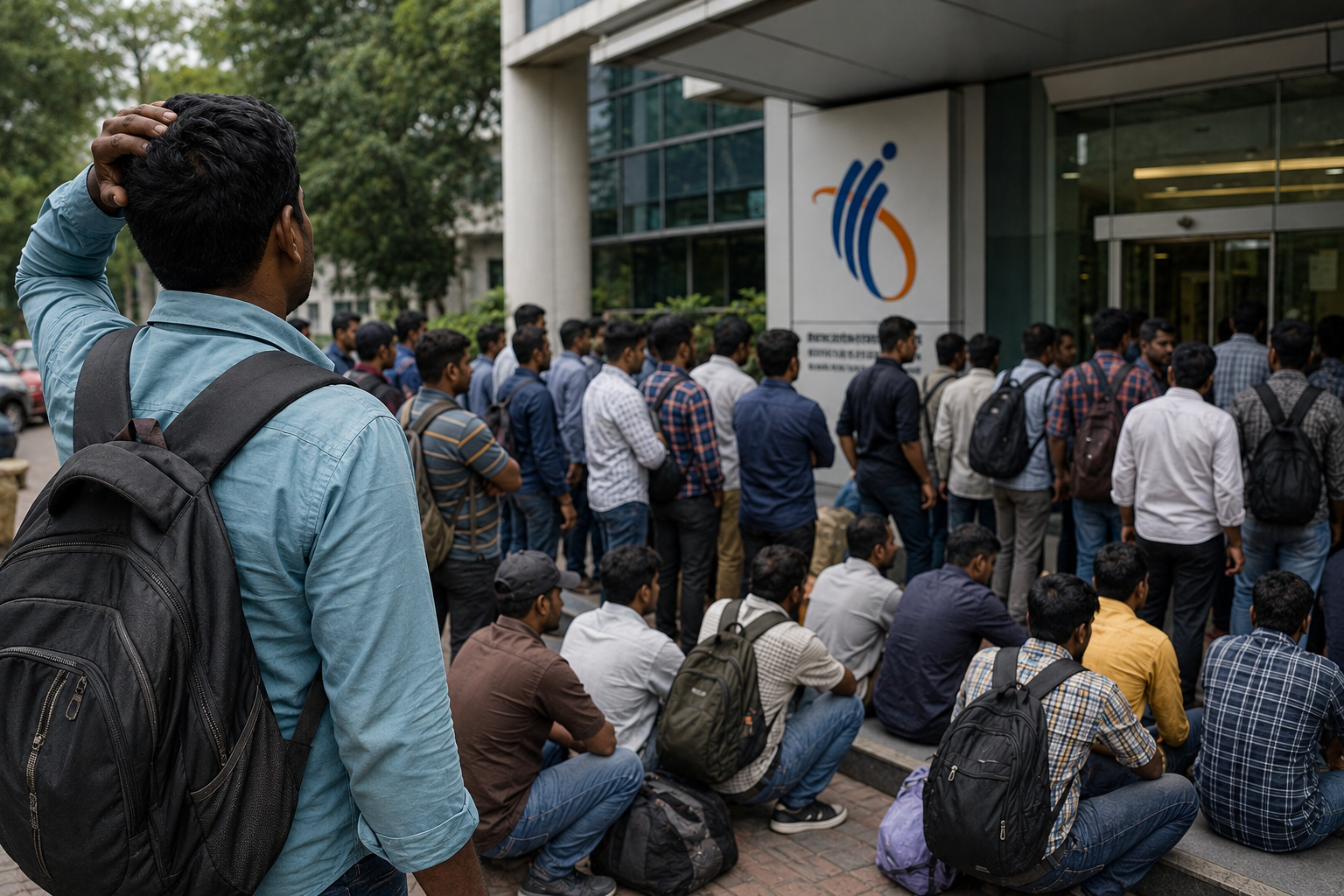
According to local media reports, many of the affected workers gathered at the Ministry of Manpower's office on Monday, urging authorities to help recover their pending wages and clarify their employment status.
Workers Claim Repeated Appeals Went Unanswered
Several employees alleged that they had repeatedly contacted company management regarding salary delays but received little clarity about when payments would be made.
Among the affected workers is Sampath, an Indian national, who told local media that employees had not been paid for two months despite raising the matter with supervisors and company officials.
For many migrant workers, salary delays can quickly escalate into serious financial difficulties, as they rely on monthly income to support families in their home countries and meet personal living expenses in Singapore.
Workers reportedly expressed concerns about mounting debts, unpaid accommodation costs and the inability to send remittances back home.
Company Allegedly Ceases Operations
The situation has become more complicated following claims that KPA Engineering has effectively ceased operations.
Workers alleged that the company's offices appeared closed and that communication from management had become increasingly limited. The reported shutdown has intensified fears that employees may face difficulties recovering their unpaid salaries and other employment-related benefits.
Authorities are expected to investigate the company's financial condition and assess the validity of the workers' claims.
Singapore's Labour Framework Faces Test
Singapore is widely regarded as having one of Asia's most structured labour regulatory systems. The Ministry of Manpower maintains strict guidelines governing employment practices, salary payments and worker welfare.
In cases involving unpaid wages, authorities typically conduct investigations and may facilitate mediation, salary recovery processes or legal proceedings where necessary.
The latest dispute highlights the importance of effective enforcement mechanisms to protect workers, particularly foreign employees who may have limited financial resources while awaiting resolution.
Migrant Workers Remain Vital to Singapore's Economy
Foreign workers play a crucial role in Singapore's economy, supporting sectors such as construction, engineering, marine services, manufacturing, maintenance and logistics.
Many workers travel abroad after investing significant personal savings or taking loans to secure overseas employment opportunities. As a result, salary disruptions can have severe consequences not only for workers but also for families dependent on their income.
Labour experts note that prompt intervention in wage disputes is essential to maintain workforce confidence and ensure fair employment practices.
Rising Business Costs Put Pressure on Smaller Firms
The case also sheds light on challenges facing small and medium-sized enterprises (SMEs) operating in labour-intensive industries.
Over the past few years, companies have faced rising manpower costs, inflationary pressures, tighter regulatory requirements and economic uncertainty. These factors have strained cash flows for some businesses, particularly those dependent on project-based revenue.
While authorities have not confirmed whether financial difficulties contributed to the wage dispute, industry observers believe the case reflects broader challenges affecting certain segments of Singapore's engineering and maintenance sectors.
Humanitarian and Financial Implications
Beyond the legal aspects, the incident has significant humanitarian implications. Workers who remain unpaid often struggle to meet basic daily expenses, purchase necessities and maintain accommodation arrangements.
Many migrant workers also support extended families in India and Bangladesh, making wage delays particularly disruptive. Labour rights groups have frequently called for stronger safeguards, including enhanced wage protection mechanisms and emergency financial assistance for workers affected by employer insolvency.
Authorities Expected to Review Claims
Singapore's Ministry of Manpower is expected to review the complaints and determine the extent of salary arrears owed to the affected workers.
The ministry may also assess whether employment regulations were breached and what actions may be required to safeguard worker interests. Depending on the findings, authorities could facilitate claims processes, mediation efforts or further legal action.
Outlook
The dispute serves as a reminder of the challenges that can arise in labour-intensive sectors and underscores the importance of timely wage payments, corporate governance and worker protection measures.
As Singapore continues to depend on migrant labour to support economic growth, ensuring robust safeguards for foreign workers will remain a critical priority. The outcome of the case could influence future discussions on labour standards, employer accountability and worker welfare across the region.