No Direct Claims Allowed—Firms Must Negotiate with US Buyers to Recover Costs
This development follows a major policy reversal after the Supreme Court of the United States struck down the tariff framework earlier this year, declaring it legally invalid.
Background: From Tariff Shock to Refund Window
The tariff regime was introduced in April 2025 at an initial rate of 10%, but quickly escalated. By August 2025, duties on Indian goods surged to as high as 50%, significantly impacting export competitiveness and margins.
The tariffs remained in place until February 2026, when the US court ruling invalidated them, triggering the current refund mechanism. Importers in the US are now required to submit detailed claims with shipment records, tariff classifications, and proof of payments to receive refunds.
Indian Exporters Face Structural Disadvantage
Despite contributing significantly to the tariff burden, Indian exporters have no legal entitlement to these refunds. Since duties were paid by US importers at the time of entry, the refund payments are being processed exclusively in their favor.
GTRI founder Ajay Srivastava emphasized that exporters must act strategically. “Any recovery will depend entirely on commercial negotiation,” he noted, highlighting the urgency for Indian firms to engage with their overseas partners.
Sector-Wise Impact: Where the Money Lies
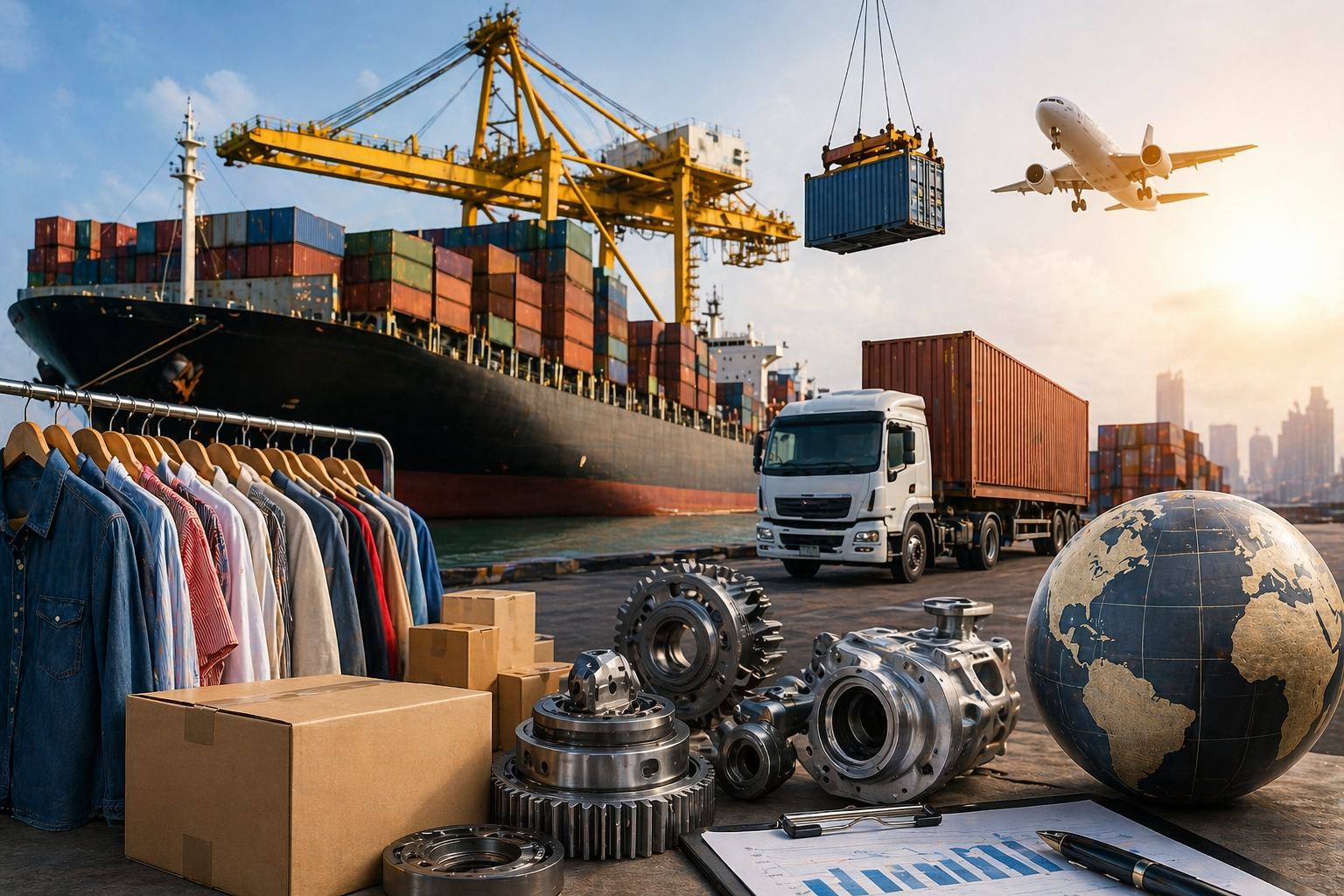
The tariff burden—and now potential recovery—is concentrated across key export sectors:
- Textiles and Apparel: Approx. $4 billion
- Engineering Goods: Approx. $4 billion
- Chemicals: Approx. $2 billion
- Others: Remaining share across multiple industries
These sectors account for nearly 53% of India’s exports to the US, making them the biggest stakeholders in the refund process.
Negotiation Playbook for Exporters
To capture value from the refund cycle, exporters need to adopt a proactive and structured approach:
- Revisit contracts where pricing included tariff costs
- Introduce refund-sharing clauses in ongoing agreements
- Seek price adjustments or retrospective settlements
- Use invoices, cost sheets, and tariff data to justify claims
- Strengthen long-term partnerships with US buyers
Companies with strong bargaining power, brand positioning, or supply chain importance are more likely to secure a favorable share.
Strategic Implications for Trade and Policy
This episode highlights a key gap in global trade dynamics—exporters often bear indirect costs but lack legal mechanisms for recovery. It also underscores the importance of structuring export contracts with built-in safeguards against policy risks.
For policymakers, it raises questions about the need for stronger bilateral frameworks to protect exporters in similar scenarios.
Market Outlook and Investor Takeaway
The tariff refund cycle could provide a temporary financial cushion to export-driven sectors, particularly if companies successfully negotiate their share. However, outcomes will vary widely depending on client relationships and pricing structures.