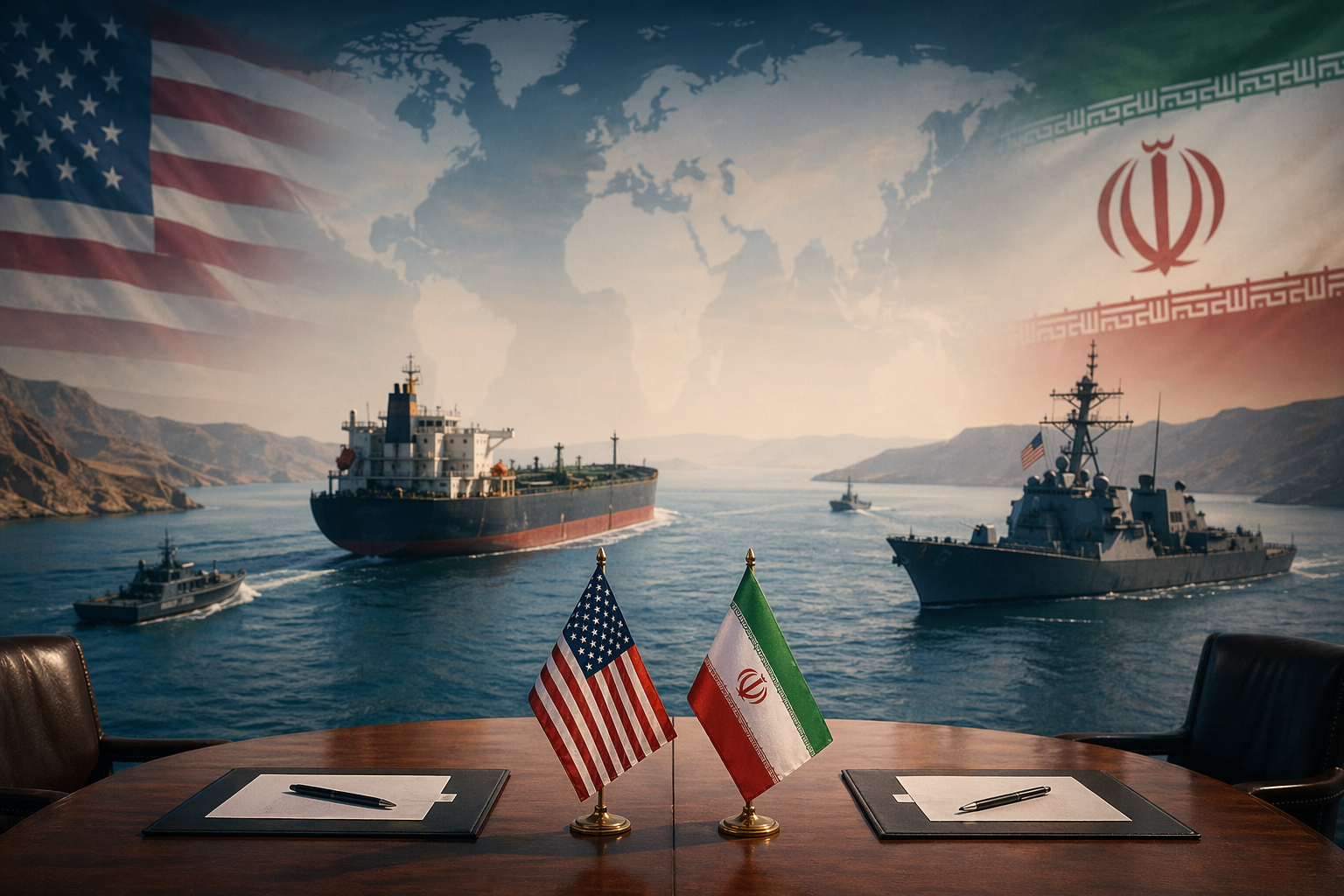
Talks in Islamabad, Strait of Hormuz Tensions, and Nuclear Demands Shape Next Phase of Conflict
The current ceasefire, set to expire midweek, comes after a seven-week-long conflict that disrupted global energy markets and heightened geopolitical uncertainty. According to Petraeus, there is a “reasonable expectation” that both sides will avoid immediate escalation and instead pursue further negotiations.
Islamabad Emerges as Key Diplomatic Hub
A potential second round of talks is expected to take place in Islamabad, positioning the city as a crucial center for ongoing peace negotiations. Reports indicate that US Vice President J. D. Vance may visit Pakistan to support diplomatic engagement.
However, uncertainty persists as Iran has yet to confirm its participation. Iranian Foreign Ministry spokesperson Esmaeil Baqaei noted that a final decision is still under consideration, leaving the future of talks unclear.
Strait of Hormuz Remains Flashpoint
Petraeus warned that sporadic confrontations and targeted attacks on vessels could continue, increasing risks for global supply chains. The inability to ensure free navigation through this route could have long-term implications for international trade and energy prices.
Key US Objectives: Navigation Freedom and Nuclear Limits
From Washington’s perspective, negotiations are centered around two primary goals. First, restoring unrestricted navigation through the Gulf without Iranian control or tolls. Second, compelling Iran to halt uranium enrichment and allow international verification of its nuclear stockpile.
Iran, however, has resisted calls to abandon its nuclear program, making this a major sticking point in negotiations. The disagreement continues to complicate efforts toward a comprehensive agreement.
Military Gains vs Strategic Uncertainty
While US-led operations—reportedly coordinated with Israeli forces—have weakened Iran’s military infrastructure, including air defense and missile systems, the broader outcome remains uncertain.
Petraeus described the campaign as tactically effective but strategically incomplete. He warned that if Iran retains influence over the Strait of Hormuz, it could emerge in a relatively stronger geopolitical position despite military setbacks.
What Lies Ahead?
Looking forward, multiple scenarios remain on the table. These include continued negotiations, limited military engagements, or renewed escalation if talks collapse. However, large-scale regime change operations appear unlikely at this stage.
For global markets, especially energy and commodities, the extension of the ceasefire could provide short-term stability. Yet, with unresolved tensions and critical negotiations ahead, uncertainty continues to dominate the outlook.