Escalating Conflict Raises Global Economic and Energy Concerns
New Delhi:
The ongoing West Asia conflict has intensified sharply as US President Donald Trump issued a stern warning to Iran, urging it to agree to a deal “before it is too late.” His remarks come amid continued airstrikes, rising casualties, and growing fears of a prolonged geopolitical crisis with significant global economic consequences.
Fresh Threats Signal Possible Expansion of Conflict
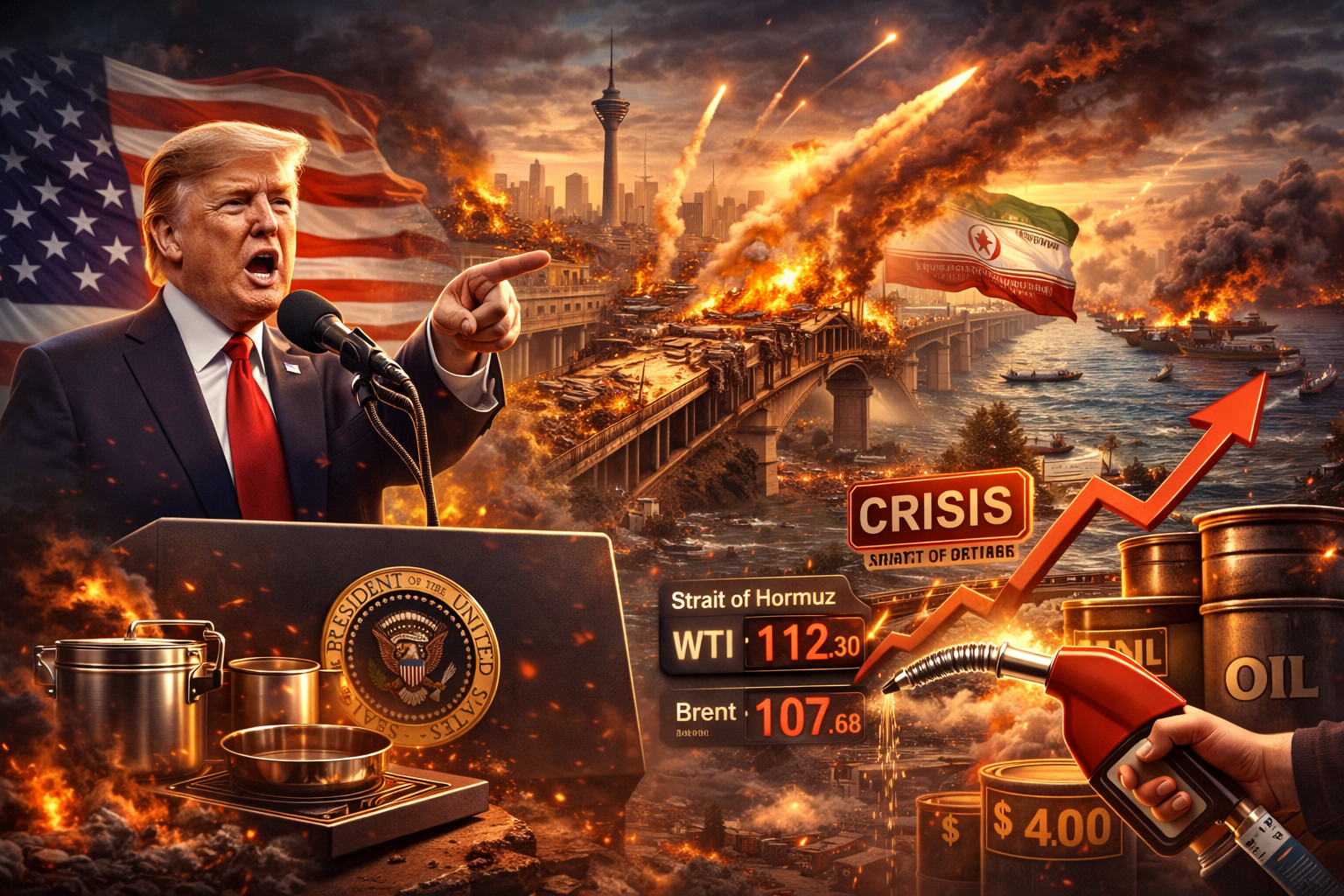
Trump’s latest statements suggest a more aggressive military approach, with indications that critical infrastructure in Iran could face further attacks. Reports from Iranian sources confirm that multiple locations, including a key bridge linking Tehran to Karaj, have already been hit in recent strikes.
The rhetoric highlights a shift from diplomatic pressure to direct military signaling, raising concerns about further escalation in the region.
Strait of Hormuz Disruption Sparks Global Alarm
A major concern for global markets is the disruption of the Strait of Hormuz, a crucial route for nearly a fifth of the world’s oil supply. The waterway has remained largely blocked since the conflict escalated, severely impacting oil shipments.
Countries across Europe and the Gulf are exploring coordinated efforts to restore navigation, while discussions at the United Nations are expected to focus on ensuring free movement through the strait.
Oil Prices Surge, Inflation Risks Rise
The geopolitical turmoil has triggered a sharp spike in crude oil prices. US crude surged past $110 per barrel, while Brent crude approached $107, reflecting fears of supply shortages.
This surge is expected to have widespread economic implications:
- Higher fuel and transportation costs
- Increased inflationary pressures globally
- Rising input costs for industries
For energy-importing nations like India, sustained high oil prices could strain fiscal balances and slow economic growth.
Diplomatic Efforts Struggle Amid Rising Tensions
Global leaders, including Emmanuel Macron, have called for restraint and renewed diplomatic engagement. However, negotiations remain stalled as Iran continues to reject US demands, describing them as excessive and unrealistic.
Meanwhile, parallel diplomatic channels involving Gulf nations and European countries are attempting to de-escalate the situation, though progress remains limited.
Humanitarian Impact and Regional Instability
The conflict has already resulted in significant loss of life and infrastructure damage across multiple regions. Thousands have reportedly been killed, with Iran bearing the majority of casualties.
Missile and drone attacks have extended beyond Iran, affecting neighboring regions and increasing the risk of a broader regional war involving multiple actors.
Political and Economic Pressures Mount in the US
Back home, the prolonged conflict is creating political challenges for Trump. Rising fuel prices—now exceeding $4 per gallon—are adding pressure on consumers and could influence voter sentiment ahead of upcoming elections.
Public opinion appears divided, with growing concerns over the economic burden and risks of deeper military involvement.
Outlook: High Uncertainty, Global Ripple Effects
With no immediate signs of de-escalation, the conflict continues to pose serious risks to global stability. The intersection of military escalation, disrupted energy supplies, and fragile diplomacy makes the situation highly unpredictable.
Markets, policymakers, and investors worldwide will be closely watching developments, as any further escalation—or breakthrough—could significantly reshape global economic and geopolitical dynamics.