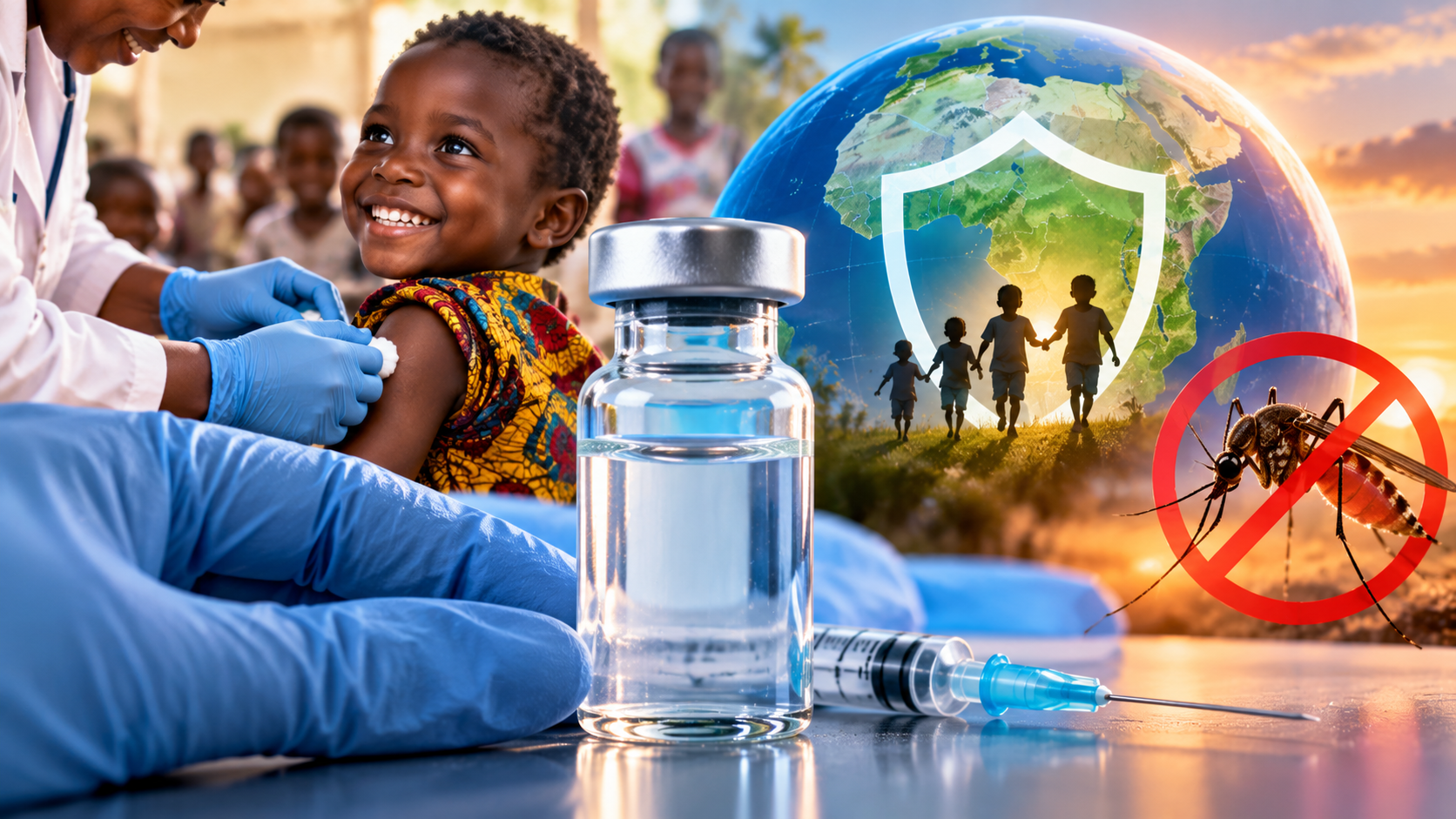
Indian pharmaceutical company Bharat Biotech International Limited (BBIL) is set to reduce the price of its malaria vaccine, Mosqivac, by approximately 40% under an agreement involving Gavi, the Vaccine Alliance, and UNICEF. The revised price is expected to take effect in early 2027, lowering the cost per dose from €9.30 to €5.50.
The agreement is expected to generate approximately $50 million in savings for immunisation programmes between 2027 and 2029. According to the company, these savings could help vaccination initiatives protect an additional one million children against malaria.
The announcement comes at a time when global health programmes are facing financial constraints and increasing demand for affordable vaccines. The price reduction is expected to support wider access to malaria prevention, particularly in African countries where the disease continues to pose a significant public health challenge.
Mosqivac Vaccine Price to Fall From €9.30 to €5.50
Under the new agreement, the price of Mosqivac will decline from €9.30 per dose to €5.50 per dose from early 2027.
This represents a reduction of approximately 40.9%, making the vaccine more affordable for international immunisation programmes supported by Gavi and UNICEF.
UNICEF will implement the agreement, while Gavi will provide financial support. The arrangement is designed to help vaccination programmes stretch their available budgets and reach more children without requiring a proportional increase in funding.
The projected $50 million in savings over three years could allow health authorities to expand vaccination coverage, improve programme planning and allocate resources to other essential healthcare activities.
The extent of the additional coverage will depend on funding availability, vaccine supply, distribution infrastructure and the ability of national health systems to deliver doses to eligible children.
What Is Mosqivac and How Does It Help Prevent Malaria?
Mosqivac is Bharat Biotech's marketed version of the RTS,S/AS01 malaria vaccine, originally developed by GlaxoSmithKline (GSK).
The vaccine became the first malaria vaccine recommended by the World Health Organization (WHO) in 2021. Bharat Biotech manufactures it following a technology transfer from GSK.
Malaria is a mosquito-borne disease caused by parasites transmitted through the bites of infected female Anopheles mosquitoes. The disease can cause fever, chills, fatigue and other symptoms, and severe cases can become life-threatening without timely treatment.
Young children are particularly vulnerable to serious complications. Vaccination, alongside insecticide-treated mosquito nets, preventive medicines where recommended, diagnostic testing and prompt treatment, forms part of a broader strategy to reduce malaria-related illness and deaths.
According to information provided by Bharat Biotech, a complete four-dose course of RTS,S/AS01 can reduce malaria cases by approximately 75% when administered seasonally in areas with highly seasonal malaria transmission. Actual protection varies according to the setting, vaccination schedule and other factors.
The vaccine is intended to complement existing malaria-control measures rather than replace them.
Bharat Biotech and GSK Invested $200 Million to Expand Supply
Bharat Biotech and GSK have reportedly invested approximately $200 million in manufacturing capacity, product development and technology transfer to increase supply and reduce production costs.
The investment is significant because expanding access to vaccines requires more than reducing the price per dose. Manufacturers must also maintain production capacity, consistent quality standards and reliable delivery systems to meet growing demand.
Technology transfer has enabled Bharat Biotech to manufacture the vaccine, supporting efforts to diversify production and strengthen supply arrangements for international immunisation programmes.
The latest price agreement reflects the importance of manufacturing efficiency and cooperation between pharmaceutical companies and global health organisations. As vaccination programmes expand, the ability to supply affordable doses at scale will remain a key factor in determining how many children can be protected.
Malaria Vaccine Demand Exceeds Initial Expectations
Demand for malaria vaccines has reportedly surpassed initial forecasts as vaccination programmes have expanded across African countries.
UNICEF has procured and delivered more than 74 million doses, while Gavi-funded malaria vaccination programmes have been integrated into routine immunisation systems in 25 African countries, according to the supplied announcement.
These developments indicate growing acceptance of malaria vaccination as part of public health strategies in regions where the disease remains widespread.
However, expanding coverage involves several logistical challenges. Vaccines must be transported and stored under appropriate conditions, distributed to healthcare facilities and administered according to recommended schedules. Health authorities must also ensure that children receive the required doses.
Lower vaccine prices could ease some financial pressure on immunisation programmes, potentially allowing available funding to cover more children and strengthen delivery systems.
Africa Remains at the Centre of the Global Malaria Challenge
Malaria continues to place a substantial burden on public health systems, particularly across sub-Saharan Africa.
According to the figures cited in the announcement, malaria caused an estimated 282 million cases and 610,000 deaths worldwide in 2024. Africa accounted for approximately 95% of global cases and deaths.
Children under five represented around 74% of malaria deaths in the African region, highlighting the importance of prevention and early intervention among vulnerable age groups.
The disease can also create wider economic consequences. Families may face medical expenses and lost income when children or other household members fall ill. At the national level, malaria can increase pressure on hospitals, healthcare workers and public health budgets.
Expanding access to preventive tools, including vaccines, may help reduce these burdens over time. Nevertheless, the results will depend on sustained financing, effective implementation and continued access to diagnosis and treatment.
Gavi Targets Vaccination of 50 Million Additional Children by 2030
Gavi has set a target of vaccinating an additional 50 million children against malaria by 2030.
The lower vaccine price could help support this ambition by reducing procurement costs and allowing funding to cover a larger number of doses. The anticipated savings are particularly relevant as international health programmes face declining aid funding and increasing pressure to use available resources efficiently.
The agreement also demonstrates how cooperation among manufacturers, procurement agencies and international funding organisations can help improve access to essential medicines and vaccines.
However, achieving the 2030 target will require more than a price reduction. Countries will need adequate healthcare infrastructure, trained personnel, dependable supply chains and sufficient financing to integrate vaccination into routine services.
Coordination with other malaria-prevention initiatives will also be important to maximise the public health benefits.
What the Agreement Means for Bharat Biotech
For Bharat Biotech, the agreement strengthens its role in the global vaccine supply chain and highlights the importance of its manufacturing capabilities.
Lower prices can support broader adoption and larger procurement volumes, although the financial outcome for the manufacturer will depend on production costs, contract terms, demand and the scale of deliveries.
The company's reported investment alongside GSK in manufacturing and technology transfer reflects the resources required to develop and supply vaccines for large international programmes.
The agreement may also demonstrate how Indian vaccine manufacturers can contribute to global health initiatives through production capacity and partnerships with international organisations.
However, the price reduction alone does not establish how much the deal will contribute to Bharat Biotech's revenue or profitability. The company-specific financial impact will depend on commercial arrangements and actual vaccine orders.
Market Outlook
Bharat Biotech's malaria vaccine price reduction represents a significant development in efforts to make preventive healthcare more affordable. By lowering the price of Mosqivac to €5.50 per dose from early 2027, the Gavi-UNICEF agreement is expected to save approximately $50 million over three years and support the protection of an additional one million children.
From an industry perspective, the agreement highlights the growing role of Indian vaccine manufacturers in international public health programmes. Manufacturing scale, technology transfer and partnerships with global organisations could create opportunities for Indian pharmaceutical companies to expand their international presence.
However, lower vaccine prices do not automatically translate into higher profits. The commercial impact on Bharat Biotech will depend on production economics, procurement volumes, contract conditions and delivery schedules.
The broader public health outcome will depend on whether the savings translate into increased vaccination coverage and sustained access for vulnerable populations.