Sanjay Mehrotra Says India Has Moved From Semiconductor Vision to Execution
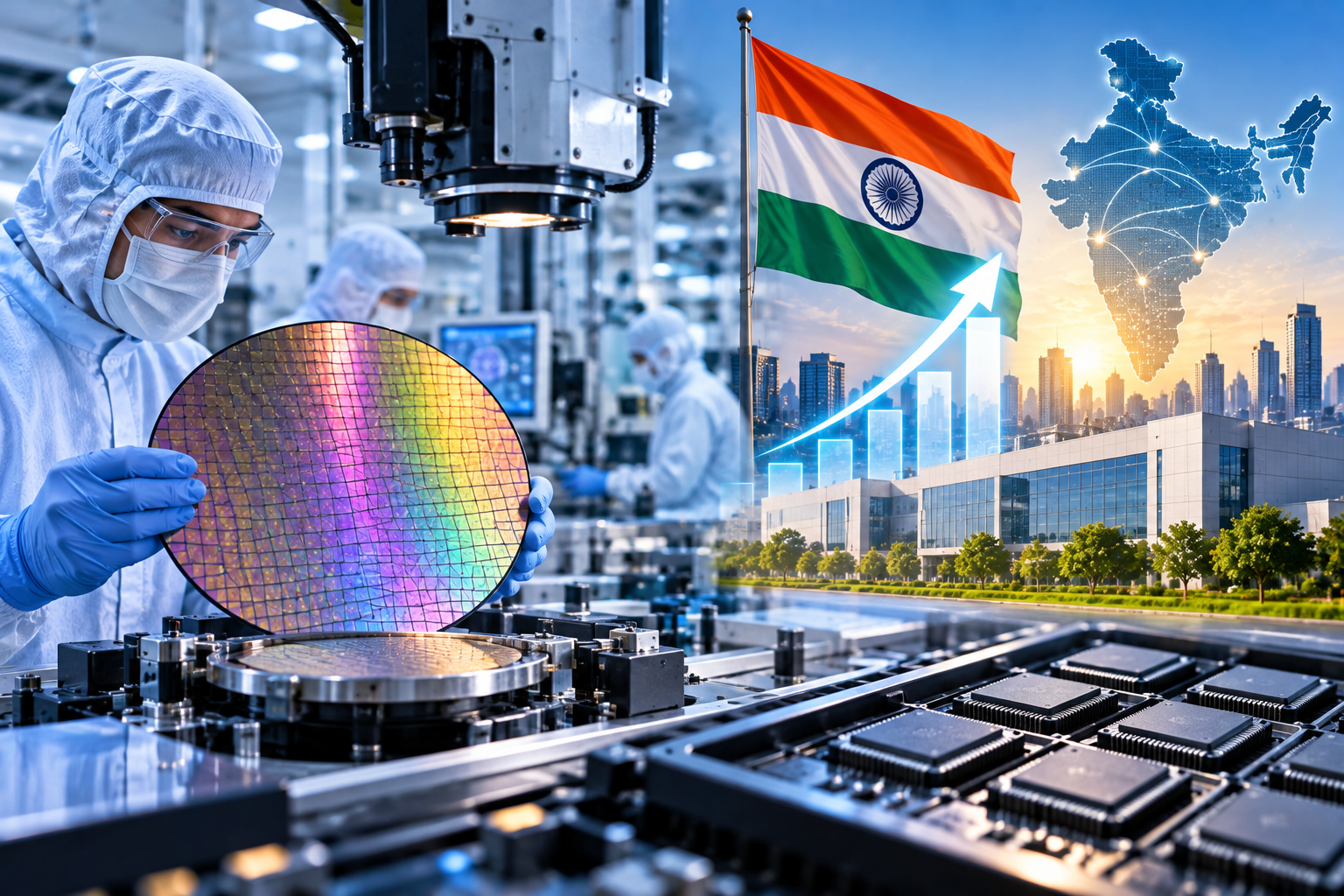
Micron Technology plans to scale up its semiconductor assembly and testing operations in India by several times next year, marking a significant expansion of the company’s manufacturing footprint in the country.
Speaking at the inaugural session of SEMICON India 2026 in New Delhi, Micron CEO Sanjay Mehrotra said India’s semiconductor policy push has created a strong foundation for the industry and helped the country move from long-term ambitions to actual execution.
“For decades, people have talked about India’s semiconductor potential. I have been in many of those conversations. Potential does not ship products. What I see in India today is execution,” Mehrotra said.
Micron’s India Presence Expands
Micron has been present in India for seven years and currently employs more than 7,000 people directly in the country, according to Mehrotra. The company’s operations also support tens of thousands of additional jobs across the wider value chain.
The planned expansion of the assembly and testing facility is expected to strengthen Micron’s role in India’s developing semiconductor ecosystem. It could also create opportunities for suppliers involved in equipment, logistics, engineering, maintenance, packaging materials and other specialised services.
Semiconductor assembly and testing are important stages of chip manufacturing. After wafers are produced, individual chips must be packaged, tested and prepared for use in electronic products. These activities require advanced facilities, specialised equipment and a technically skilled workforce.
India’s Semiconductor Policy Provides Foundation
Mehrotra credited India’s semiconductor policy framework with providing the foundation required for the industry to expand. Government incentives and efforts to attract global chip companies have encouraged investment in manufacturing, packaging, testing and related activities.
India has been seeking to establish a broader semiconductor value chain that includes chip design, fabrication, assembly, testing and electronics manufacturing. The development of these capabilities is expected to reduce supply-chain dependence and support the growth of domestic technology industries.
The Micron announcement indicates that the country’s semiconductor programme is moving beyond announcements and towards operational capacity. The pace of execution, however, will remain important as companies develop facilities and integrate them into global production networks.
Employment and Skill Development
The expansion is likely to increase demand for engineers, technicians, quality-control specialists, equipment operators and other skilled professionals. Semiconductor manufacturing requires expertise in areas such as electrical engineering, materials science, automation, process control and precision equipment maintenance.
The company’s existing workforce and wider employment impact also highlight the potential of the semiconductor sector to generate jobs beyond the factory floor. Supporting industries, contractors, training institutions and logistics providers may benefit as production capacity increases.
India’s ability to build a sustainable semiconductor ecosystem will depend partly on the availability of trained manpower. Collaboration between companies, universities, technical institutes and government agencies could play a role in developing the required talent pool.
Strategic Importance for India’s Electronics Industry
Semiconductors are essential for smartphones, computers, automobiles, industrial equipment, telecommunications, data centres and consumer electronics. A stronger domestic packaging and testing ecosystem could help Indian manufacturers access chip supplies more efficiently and improve supply-chain resilience.
The expansion may also support India’s ambitions to become a larger participant in global electronics manufacturing. As multinational companies diversify their production networks, countries with reliable infrastructure, skilled workers and supportive policies may attract additional investment.
Micron’s presence could encourage the development of local suppliers and improve technical capabilities across the semiconductor value chain. Over time, this may create a foundation for further investments in advanced packaging, chip design and other high-value activities.
Challenges Ahead
Despite the positive developments, semiconductor projects involve substantial capital expenditure, complex technology requirements and long implementation timelines. The success of the expansion will depend on project execution, infrastructure availability, equipment installation, workforce training and the ability to meet global quality standards.
The industry is also exposed to changes in global demand, technology cycles and competition from established semiconductor manufacturing hubs. India will need continued policy consistency and private-sector investment to convert individual projects into a competitive and integrated ecosystem.
Investment and Industry Implications
Micron’s expansion plans are significant for India’s semiconductor and electronics manufacturing sectors. Companies involved in industrial automation, engineering services, electronic manufacturing, logistics, cleanroom infrastructure and specialised materials may see opportunities as the ecosystem develops.
Investors should nevertheless distinguish between announced capacity and operational production. The timing of commissioning, utilisation levels, customer demand and long-term profitability will be important factors in evaluating the commercial impact of the project.
Market Outlook
Micron’s plan to scale up its Indian assembly and testing operations reinforces the country’s growing role in the global semiconductor supply chain. The announcement reflects increasing confidence in India’s policy environment, workforce potential and long-term electronics demand.
The broader market impact will depend on the speed at which semiconductor projects become operational and generate sustained production. Continued investment, skill development and supplier-network expansion could support the long-term growth of India’s semiconductor-related industries, while execution and global demand conditions will remain key factors for investors to monitor.