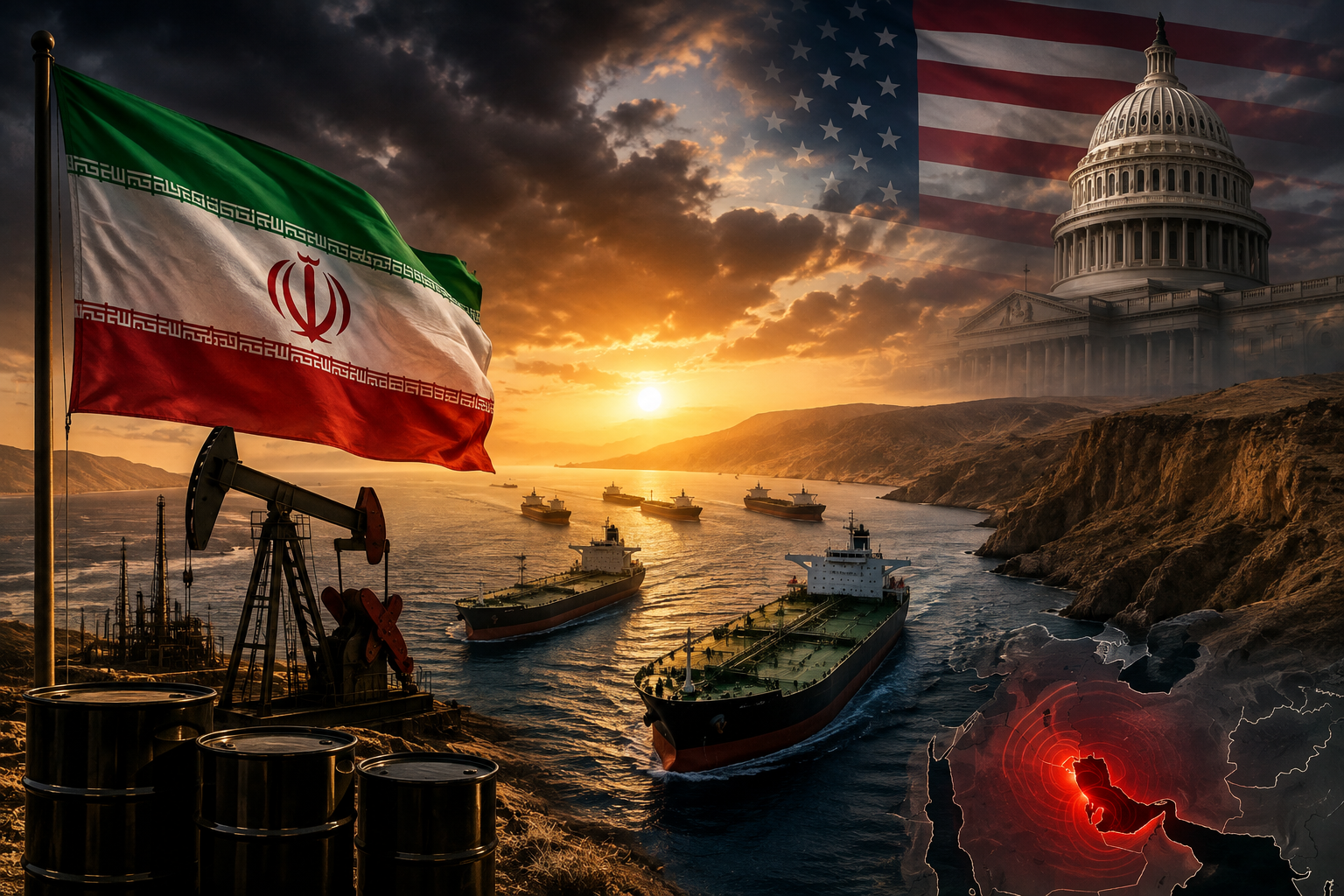
Tehran warns that continued US economic pressure could trigger a complete halt in Iranian oil shipments, while countries supporting Washington’s campaign could be treated as participants in an “act of war”
Iran has issued a strong warning to the United States, saying it could halt oil exports through the Strait of Hormuz and other parts of the Persian Gulf if Washington continues its economic pressure campaign against Tehran.
Mohsen Rezaei, Secretary of Iran’s Supreme National Security Council, said the country could prevent oil from being exported if what Tehran calls an “economic war” continues. He also warned that countries supporting or participating in the US campaign could be viewed by Iran as taking part in an act of war.
The statement comes amid renewed tensions between Tehran and Washington and has raised concerns about the potential impact on global crude oil supplies, shipping routes and energy prices.
Iran Raises Stakes Over Oil Exports
Rezaei's warning represents a significant escalation in Iran's rhetoric over the latest US pressure measures.
Iran is a major oil producer, while the Persian Gulf remains one of the most strategically important energy-producing regions in the world. Any disruption to exports from the region could therefore have consequences well beyond Iran's borders.
The Strait of Hormuz is particularly important because it provides a key maritime route connecting the Persian Gulf with international shipping lanes. A prolonged disruption could force traders to reassess global oil supply expectations and potentially push crude prices higher.
Strait of Hormuz Becomes a Major Market Risk
The Strait of Hormuz has long been regarded as a critical chokepoint for the global energy market. Even without an actual shutdown, threats involving the waterway can lead to higher risk premiums in crude prices.
Oil traders are likely to closely monitor shipping activity, military developments and statements from both Washington and Tehran.
If the confrontation remains limited to sanctions and political threats, the impact on physical supplies could remain manageable. However, any actual interruption to shipping or production could create a much stronger reaction across energy markets.
US Pressure Campaign Intensifies
Iran's warning follows increasing pressure from Washington aimed at restricting Tehran's economic and financial capabilities.
Iranian officials have rejected the US approach, arguing that the country has dealt with sanctions and economic restrictions for years and has developed mechanisms to continue its economic activities despite external pressure.
The latest confrontation indicates that the dispute is increasingly moving beyond conventional diplomatic disagreement and into the energy and economic spheres.
Iran Says Sanctions Could Backfire
Iranian Parliament Speaker Mohammad Bagher Ghalibaf has also criticised the US approach, using a satirical reference to an “Iran boomerang” to suggest that aggressive economic measures could eventually create unintended consequences for those imposing them.
The message reflects Tehran's broader argument that sanctions may increase economic pressure but are unlikely to force the country to abandon its strategic position.
Iranian Revolutionary Guard officials have similarly described economic pressure as part of a broader campaign against the country.
Oil Prices Could Face Fresh Volatility
The biggest immediate concern for financial markets is the potential impact on crude oil.
If Iranian exports are significantly reduced or shipping through the Strait of Hormuz is disrupted, global oil prices could rise rapidly as traders price in the possibility of a supply shortage.
Higher crude prices could also increase volatility in inflation-sensitive assets and put pressure on central banks that are attempting to balance economic growth with price stability.
For oil-importing economies, the consequences could be particularly significant.
India Faces Higher Import-Bill Risk
India is particularly sensitive to movements in international crude prices because of its dependence on imported oil.
A sustained increase in crude prices could raise India's import bill and potentially put pressure on the rupee. Higher energy costs could also affect transportation, aviation, chemicals, paints, logistics and other oil-sensitive industries.
For the broader Indian equity market, expensive crude can become a headwind because it can increase operating costs for companies while simultaneously putting pressure on household purchasing power.
On the positive side, companies involved in refining and energy production could experience different effects depending on refining margins, inventory positions and international product prices.
Gold Could Benefit From Geopolitical Uncertainty
The latest escalation could also influence precious metals.
Gold generally attracts safe-haven demand when geopolitical risks increase and investors become concerned about economic or financial instability. A sustained escalation between Iran and the US could therefore provide additional support to bullion.
However, gold's direction will also depend on US Treasury yields, the dollar and expectations surrounding Federal Reserve policy.
Rupee and Inflation Are Key Indicators for India
For Indian investors, the combination of crude oil and the rupee will be particularly important.
A sharp increase in crude prices accompanied by a weaker rupee could create a double impact on India's import costs. This could potentially complicate the inflation outlook and influence expectations surrounding monetary policy.
Conversely, any diplomatic progress or reduction in geopolitical tensions could reduce crude's risk premium and provide relief to oil-importing economies.
What Investors Should Watch
Crude Oil
A sharp and sustained increase in Brent and other international benchmarks would indicate that markets are assigning a greater probability to supply disruption.
Strait of Hormuz
Actual restrictions on shipping would represent a much more serious development than verbal threats and could trigger a significant risk premium.
US Sanctions
New restrictions targeting Iranian oil exports, buyers, shipping companies or financial institutions could further tighten the country's ability to sell crude.
Iran's Next Response
The market will distinguish closely between political statements and concrete measures affecting oil production or transportation.
Rupee
A rise in crude accompanied by weakness in the Indian currency could increase pressure on India's external balance and inflation.
Gold
Safe-haven demand could increase if geopolitical tensions spread or investors become concerned about a broader regional confrontation.
Energy-Sensitive Sectors in Focus
A prolonged oil-price rally could create different outcomes across Indian industries.
Potentially vulnerable sectors include aviation, logistics, paints, chemicals, tyres and other businesses with substantial fuel or petroleum-linked costs.
Refiners and energy companies could see varying impacts depending on crude procurement costs, refining margins and product prices.
Consumer-facing companies could also be affected indirectly if higher fuel prices reduce disposable income and increase transportation expenses.
Markets Await Concrete Action
For now, the most important question is whether Iran's warning remains a political message or develops into measures that directly affect oil shipments.
Markets are likely to remain extremely sensitive to developments involving the Strait of Hormuz because even a perceived threat to the route can influence crude prices before any physical disruption occurs.
Any diplomatic engagement between the US and Iran could quickly reduce the risk premium, while further escalation could have the opposite effect.
Outlook: Geopolitical Risk Returns to the Oil Market
Iran's latest warning has once again put the global energy market on alert. A complete halt in Iranian exports or a disruption around the Strait of Hormuz would represent a major escalation with potential consequences for crude prices, inflation, currencies and global equities.
For Indian investors, Brent crude, the rupee, gold and oil-sensitive sectors will be important indicators to monitor.
The immediate market focus will remain on whether tensions translate into actual restrictions on energy flows. Until greater clarity emerges, geopolitical developments between Washington and Tehran are likely to remain a major source of volatility for global commodity and financial markets.