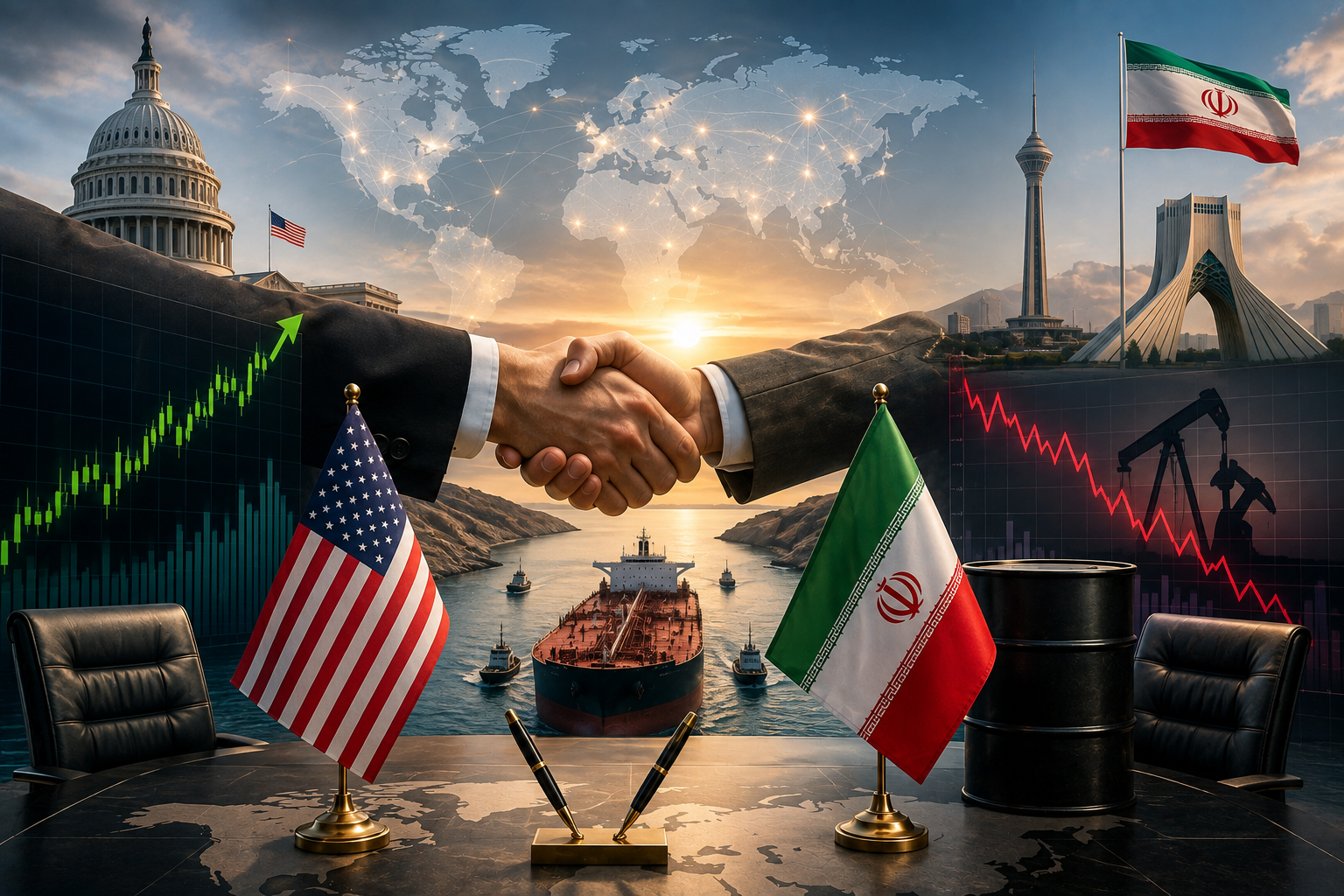
Trump says negotiations are moving positively, while investors expect easing geopolitical tensions to support oil prices, global trade and financial markets
Global markets received a fresh boost after US President Donald Trump expressed optimism over ongoing negotiations between the United States and Iran, saying the two sides had held "very good discussions" and that the Strait of Hormuz could reopen in the near future. The remarks fuelled hopes that months of geopolitical uncertainty may finally be moving toward a diplomatic resolution, encouraging investors to shift back toward risk assets.
The possibility of restoring commercial shipping through one of the world's most critical energy corridors immediately improved market sentiment, with crude oil prices declining and equity markets posting gains across Asia.
Diplomatic Momentum Builds
According to President Trump, senior representatives from Washington and Tehran engaged in extensive negotiations aimed at reducing tensions and restoring maritime traffic through the Strait of Hormuz. He suggested that meaningful progress had been achieved and expressed confidence that an agreement could be reached soon.
The discussions are reportedly being facilitated by regional mediators, including Oman and Qatar, both of which have played important diplomatic roles throughout the ongoing crisis.
Although no official agreement has yet been announced, the latest developments indicate that both sides remain engaged in dialogue despite continuing differences on several strategic issues.
Strait of Hormuz Remains Vital for Global Energy
The Strait of Hormuz is one of the world's most important maritime trade routes, carrying nearly 20% of global crude oil and liquefied natural gas exports. Any disruption to shipping through the narrow waterway has an immediate impact on international energy prices, transportation costs and global inflation.
Since tensions escalated earlier this year, disruptions around the Strait have contributed to sharp swings in crude oil prices, increased freight costs and heightened uncertainty across financial markets.
A successful reopening of the shipping route would help stabilise energy supplies and improve confidence among businesses and investors worldwide.
Iran Maintains a Measured Response
While Washington has highlighted encouraging progress, Iranian officials have taken a more cautious approach.
Tehran has confirmed that discussions regarding maritime navigation and shipping security remain ongoing but has emphasised that any lasting agreement must respect Iran's national interests and sovereignty.
Iranian officials also indicated that negotiations remain complex and that several outstanding issues still require further discussion before a comprehensive agreement can be finalised.
Global Markets Respond Positively
Financial markets welcomed the latest diplomatic developments.
International crude oil prices declined as traders anticipated lower supply risks, while equity markets strengthened on expectations that easing geopolitical tensions could support global economic growth.
Lower oil prices are particularly positive for major importing nations such as India, where reduced energy costs help contain inflation, improve fiscal balances and strengthen corporate profitability across multiple sectors.
Investor sentiment has also been supported by expectations that improved regional stability could reduce shipping disruptions and normalise global supply chains.
Economic Implications Extend Beyond Energy
A diplomatic breakthrough between the United States and Iran would have implications extending well beyond the energy sector.
Lower transportation costs, improved trade flows and reduced geopolitical uncertainty could benefit manufacturing, aviation, logistics, chemicals, automobiles and global commodity markets.
Central banks may also gain additional flexibility if easing oil prices contribute to lower inflation across major economies.
For emerging markets like India, sustained stability in global energy markets could support economic growth while reducing pressure on currencies and current account balances.
Investors Remain Focused on Official Announcements
Despite growing optimism, analysts caution that negotiations remain at a sensitive stage.
Previous rounds of discussions have produced periods of optimism before encountering fresh disagreements. As a result, investors continue to monitor official statements from Washington, Tehran, Oman and Qatar for confirmation of any formal agreement.
The coming days are expected to play a crucial role in determining whether diplomatic momentum translates into a lasting settlement.
Market Outlook
Financial markets are likely to remain highly sensitive to developments surrounding the US-Iran negotiations. Investors should closely monitor Brent crude prices, shipping activity through the Strait of Hormuz, geopolitical developments in West Asia, US dollar movements and central bank policy expectations. A successful diplomatic agreement could support global equities, ease inflationary pressures and improve prospects for sectors such as aviation, logistics, chemicals, paints, automobiles and oil marketing companies, while any breakdown in negotiations could trigger renewed volatility in energy and financial markets.