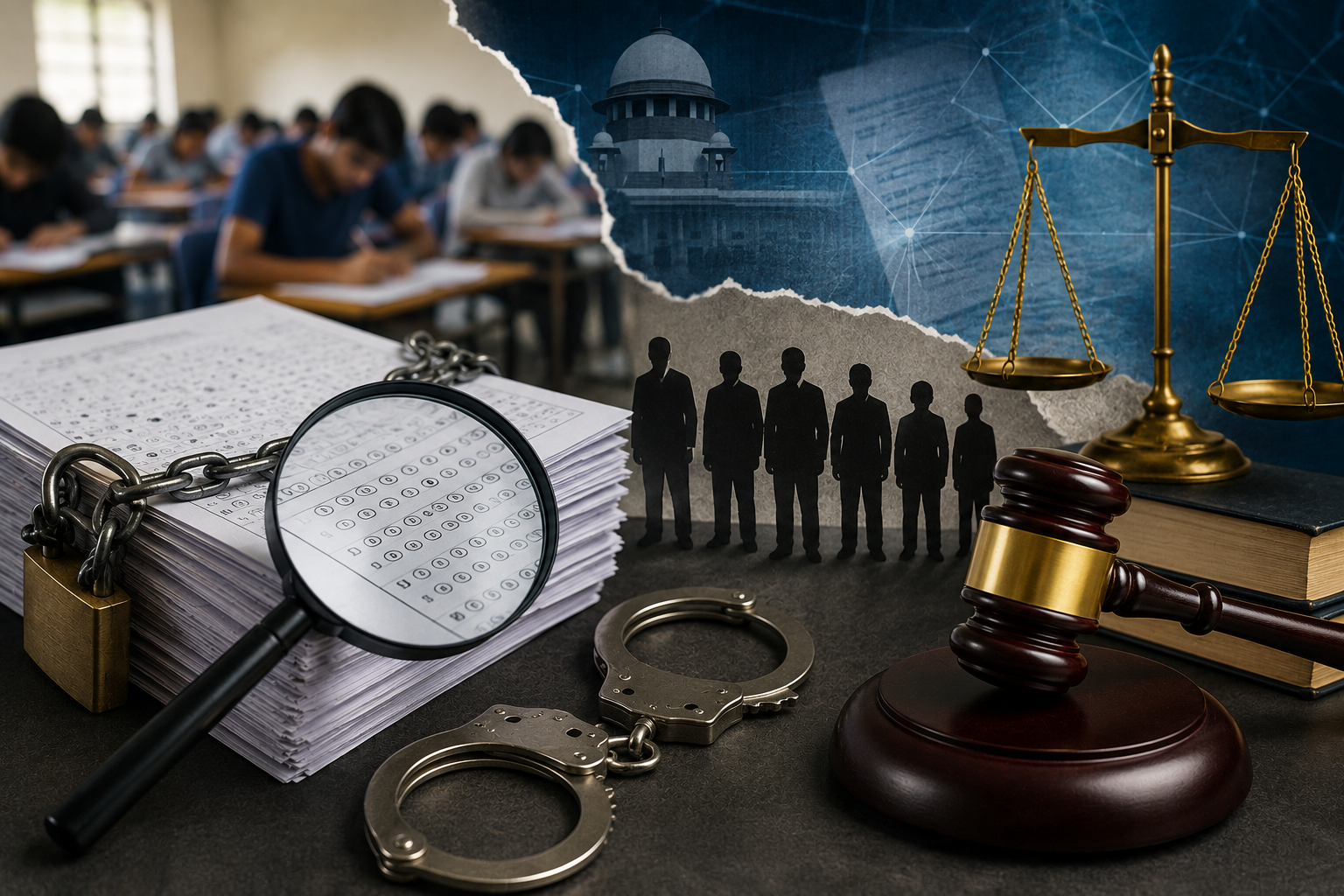
Chargesheet Filed Against 13 Accused Including Paper Experts, Coaching Centre Associates and Alleged Beneficiaries; CBI to Submit 20,000-Page Annexures
The legal proceedings in the NEET UG 2026 paper leak case gathered pace after a designated fast-track court formally took the Central Bureau of Investigation (CBI)'s chargesheet on record, marking a significant milestone in one of India's most closely watched examination fraud investigations.
The court accepted the CBI's final investigation report against 13 accused, while granting the agency additional time to submit approximately 20,000 pages of supporting annexures. The matter has now been listed for further proceedings on August 3.
The case has attracted nationwide attention as it involves alleged manipulation of one of India's most competitive entrance examinations, raising concerns about the security and transparency of the country's public examination system.
Fast-Track Court Accepts CBI's Chargesheet
The designated fast-track court, established to hear cases related to paper leaks and unfair practices in public examinations, formally acknowledged the CBI's chargesheet during Wednesday's proceedings.
Special Judge Anu Grover Baliga accepted the final report submitted by the investigating agency against the accused and permitted the CBI to file additional documents after completing the digitisation process.
According to the agency, nearly 20,000 pages of annexures are currently being scanned before being placed on record.
These annexures include supporting documentary evidence that forms an integral part of the investigation.
Next Hearing Scheduled for August 3
Following the acceptance of the chargesheet, the court fixed August 3 as the next date of hearing.
During the upcoming proceedings, the court is expected to examine the supporting documents and consider the next procedural steps before initiating the trial process.
Legal experts believe the scrutiny of evidence submitted by the CBI will play a crucial role before charges are formally framed against the accused.
Who Are the 13 Accused?
The CBI has named 13 individuals in its chargesheet, alleging their involvement in the organised leak of the NEET UG 2026 examination paper.
The accused reportedly include individuals from different roles within the alleged network.
The Chargesheet Includes
-
Three paper experts
-
Two individuals linked to coaching institutes
-
Middlemen
-
Alleged beneficiary candidates
-
Other members of the suspected conspiracy
Investigators believe the accused acted in coordination to facilitate the illegal access and distribution of confidential examination material before the examination.
Serious Criminal Charges Invoked
The CBI has invoked multiple criminal provisions while filing the chargesheet.
Sections Invoked Include
-
Criminal conspiracy
-
Cheating
-
Criminal breach of trust
-
Destruction of evidence
-
Criminal misconduct under the Prevention of Corruption Act
-
Offences under the Public Examination (Prevention of Unfair Means) Act, 2024
These provisions carry stringent penalties and reflect the seriousness with which authorities are treating organised examination fraud.
Public Examination Act Strengthens Legal Action
One of the notable aspects of the case is the application of the Public Examination (Prevention of Unfair Means) Act, 2024.
The legislation was introduced to strengthen action against organised examination malpractice and paper leak syndicates.
The Act covers offences such as:
-
Paper leaks
-
Organised cheating
-
Sale of confidential examination material
-
Tampering with examination processes
-
Digital manipulation
-
Criminal conspiracies involving recruitment and entrance examinations
The law empowers investigating agencies to pursue stricter criminal action against those involved in compromising public examinations.
CBI Collects Massive Documentary Evidence
The investigation has involved extensive collection of documentary, electronic and forensic evidence.
According to officials, the supporting annexures accompanying the chargesheet consist of nearly 20,000 pages, including:
-
Witness statements
-
Digital communication records
-
Mobile phone data
-
Financial transaction details
-
Forensic reports
-
Electronic evidence
-
Examination-related documents
The evidence is expected to form the foundation of the prosecution's case during the trial.
Special Public Prosecutors Appointed
To represent the investigating agency before the court, advocates V. K. Pathak and Arjun Anand have been appointed as Special Public Prosecutors.
The appointments were made following directions issued by the court to ensure effective prosecution of the matter.
The prosecutors will present evidence, examine witnesses and represent the CBI throughout the legal proceedings.
Why the NEET Paper Leak Case Matters
The NEET examination is the country's largest medical entrance test and serves as the gateway for admission to undergraduate medical and dental programmes across India.
Every year, millions of students compete for limited seats, making transparency and fairness critical to maintaining public confidence in the education system.
The alleged paper leak has triggered widespread concern over:
-
Integrity of competitive examinations
-
Fair opportunities for students
-
Security of confidential question papers
-
Accountability of examination authorities
-
Role of organised cheating networks
The case has also intensified demands for stronger safeguards against examination fraud.
Potential Impact on Examination Reforms
The investigation is expected to accelerate reforms aimed at strengthening examination security across the country.
Experts believe authorities may introduce additional safeguards such as:
-
AI-powered surveillance systems
-
Encrypted digital question paper distribution
-
Enhanced cybersecurity protocols
-
Biometric verification of candidates
-
Stronger monitoring of examination centres
-
Improved coordination among investigative agencies
-
Stricter penalties for organised malpractice
These measures could help reduce vulnerabilities in future public examinations.
Legal Process: What Happens Next?
With the chargesheet now on record, the case will gradually move towards trial.
The court is expected to:
-
Examine the supporting annexures
-
Verify documentary evidence
-
Hear submissions from both parties
-
Decide on framing of charges
-
Summon witnesses
-
Begin trial proceedings
The legal process is expected to unfold over multiple hearings given the large volume of evidence involved.
Key Developments at a Glance
| Particular | Details |
|---|---|
| Investigating Agency | Central Bureau of Investigation (CBI) |
| Chargesheet Filed Against | 13 accused |
| Court | Designated Fast-Track Court |
| Presiding Judge | Special Judge Anu Grover Baliga |
| Supporting Documents | Around 20,000 pages |
| Next Hearing | August 3 |
| Major Laws Invoked | Bharatiya Nyaya Sanhita (BNS), Prevention of Corruption Act, Public Examination (Prevention of Unfair Means) Act, 2024 |
Growing Focus on Exam Integrity
The NEET paper leak case has become a defining test of India's efforts to strengthen the integrity of public examinations. As investigations continue, authorities are expected to focus not only on prosecuting those allegedly involved but also on identifying systemic weaknesses that enabled the breach.
The outcome of the case could influence future policy decisions related to examination security, digital governance and institutional accountability across India's education system.
Market Outlook
Although the NEET UG 2026 paper leak case does not have a direct impact on financial markets, it carries significant implications for governance, regulatory enforcement and public administration. The investigation and judicial proceedings are expected to shape future reforms aimed at improving examination security, strengthening institutional accountability and enhancing public confidence in India's competitive examination framework.