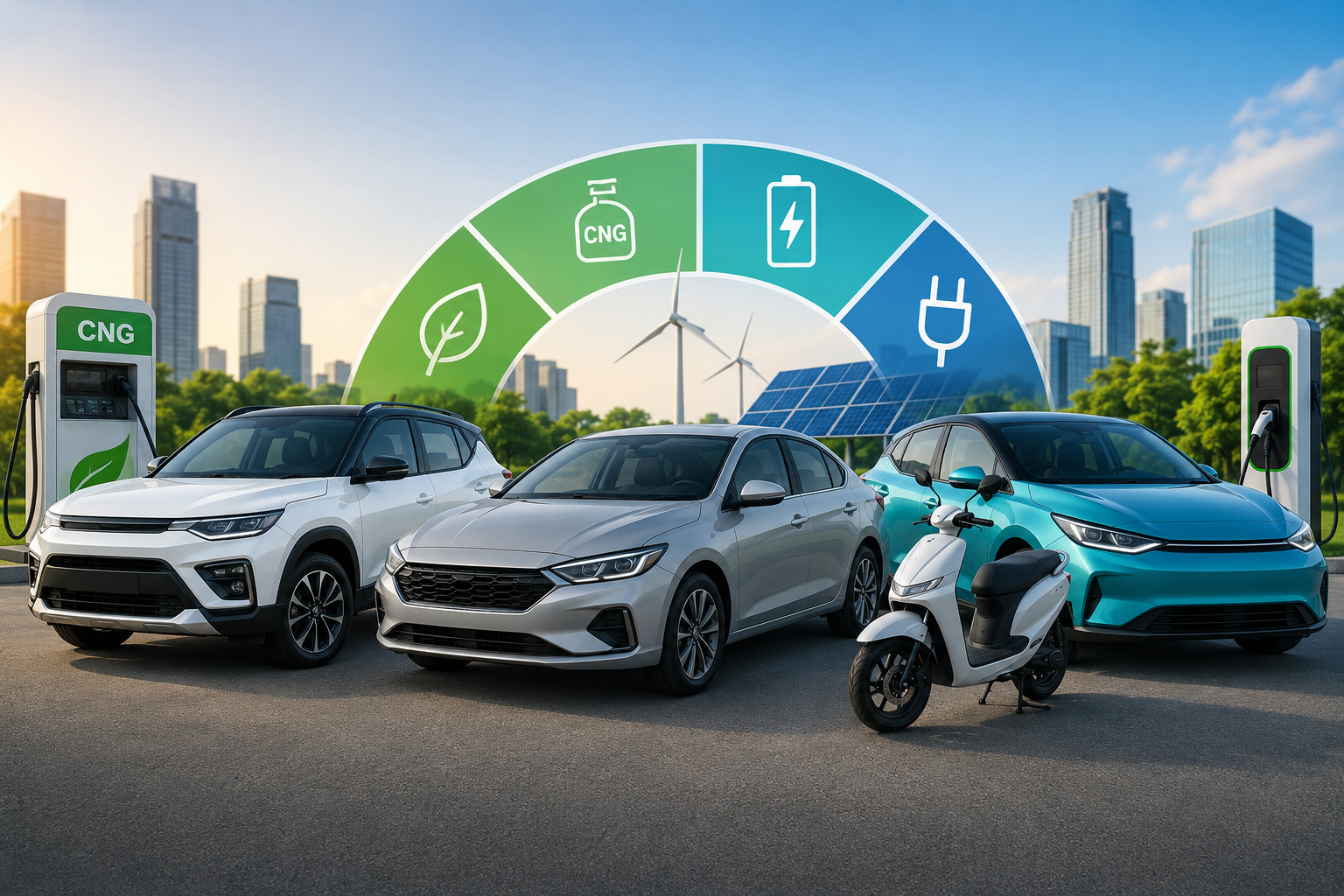
Alternative-fuel vehicles account for over 40% of passenger car sales, highlighting a structural shift in consumer preferences amid rising fuel costs
India's Auto Industry Posts Strongest June Performance
India's automobile retail market recorded a remarkable performance in June, with passenger vehicle sales rising 28.6% year-on-year as consumers increasingly embraced cleaner and more fuel-efficient mobility options. According to the latest data released by the Federation of Automobile Dealers Associations (FADA), retail car sales reached 410,853 units, reflecting robust demand across urban and semi-urban markets.
The broader automotive industry also witnessed impressive momentum. Total vehicle retail sales climbed 21.8% from a year earlier to approximately 2.6 million units, making it the strongest June ever recorded for the sector. Healthy consumer demand, improved vehicle availability, and a growing preference for alternative-fuel vehicles played a significant role in driving sales.
Alternative-Fuel Vehicles Cross Historic Milestone
One of the biggest highlights of June's sales data was the unprecedented rise in alternative-fuel vehicles. These vehicles collectively accounted for 40.4% of total passenger vehicle sales, the highest share ever recorded in India.
The segment was led by:
-
CNG Vehicles: 24.3% market share
-
Hybrid Vehicles: 8.3%
-
Electric Vehicles (EVs): 7.8%
This marks a significant transformation in India's passenger vehicle market, where petrol-powered cars have traditionally dominated sales. Consumers are increasingly prioritizing lower operating costs, fuel efficiency, and environmentally friendly transportation options.
Fuel Price Hikes Accelerate Consumer Shift
The growing popularity of CNG, hybrid, and electric vehicles comes in the wake of multiple petrol and diesel price increases during May. Higher global crude oil prices, influenced by geopolitical tensions in West Asia, pushed fuel costs higher, prompting many buyers to reconsider their vehicle choices.
With running costs becoming a major purchasing factor, buyers are increasingly opting for vehicles that offer long-term savings through reduced fuel consumption. Industry analysts believe this trend could continue if conventional fuel prices remain elevated.
CNG Continues to Lead the Transition
Compressed Natural Gas (CNG) vehicles remained the biggest beneficiary of changing consumer preferences. Their combination of lower fuel costs, expanding refuelling infrastructure, and competitive pricing has made them particularly attractive for both personal and commercial use.
Leading automakers have already reported a sharp increase in customer interest. Maruti Suzuki recently indicated that bookings for its CNG models surged significantly following the fuel price revisions, underlining the growing demand for economical mobility solutions.
Several manufacturers are also expanding their CNG portfolios to cater to rising demand across hatchback, sedan, and SUV segments.
Electric Mobility Gains Further Momentum
Electric vehicles continued to strengthen their presence despite challenges such as charging infrastructure and higher upfront costs.
EVs accounted for 7.8% of passenger vehicle sales during June, reflecting increasing consumer confidence in battery-powered mobility. Government incentives, lower ownership costs, improving charging networks, and the launch of newer models across multiple price segments have contributed to the steady rise in adoption.
Industry experts expect EV penetration to increase further over the next few years as battery prices decline and charging infrastructure expands nationwide.
Hybrid Vehicles Find Growing Acceptance
Hybrid vehicles also posted encouraging growth, contributing 8.3% of total passenger car sales. Their ability to deliver better fuel efficiency without depending entirely on charging infrastructure has made them an attractive option for buyers seeking a balance between conventional and electric mobility.
As manufacturers introduce more hybrid models across different price points, the segment is expected to play an increasingly important role in India's transition toward cleaner transportation.
Two-Wheeler Market Maintains Strong Growth
India's two-wheeler market also delivered an impressive performance during June.
Retail sales rose 21.2% year-on-year to nearly 1.8 million units, supported by healthy rural demand, improving financing conditions, and replacement buying.
Electric two-wheelers achieved another major milestone by accounting for 10.6% of total two-wheeler sales, crossing the double-digit market share mark for the first time. Rising fuel costs, expanding product choices, and government support continue to drive adoption in this fast-growing segment.
Industry Outlook Remains Positive
The June sales figures suggest that India's automotive market is entering a new phase of structural transformation. Consumers are no longer evaluating vehicles solely on purchase price but increasingly considering lifetime ownership costs, fuel efficiency, environmental impact, and technology features.
Automobile manufacturers are responding by accelerating investments in electric vehicles, hybrids, flex-fuel technologies, and CNG-powered models. Simultaneously, governments and private companies continue expanding charging stations and CNG distribution networks, creating a stronger ecosystem for alternative-fuel mobility.