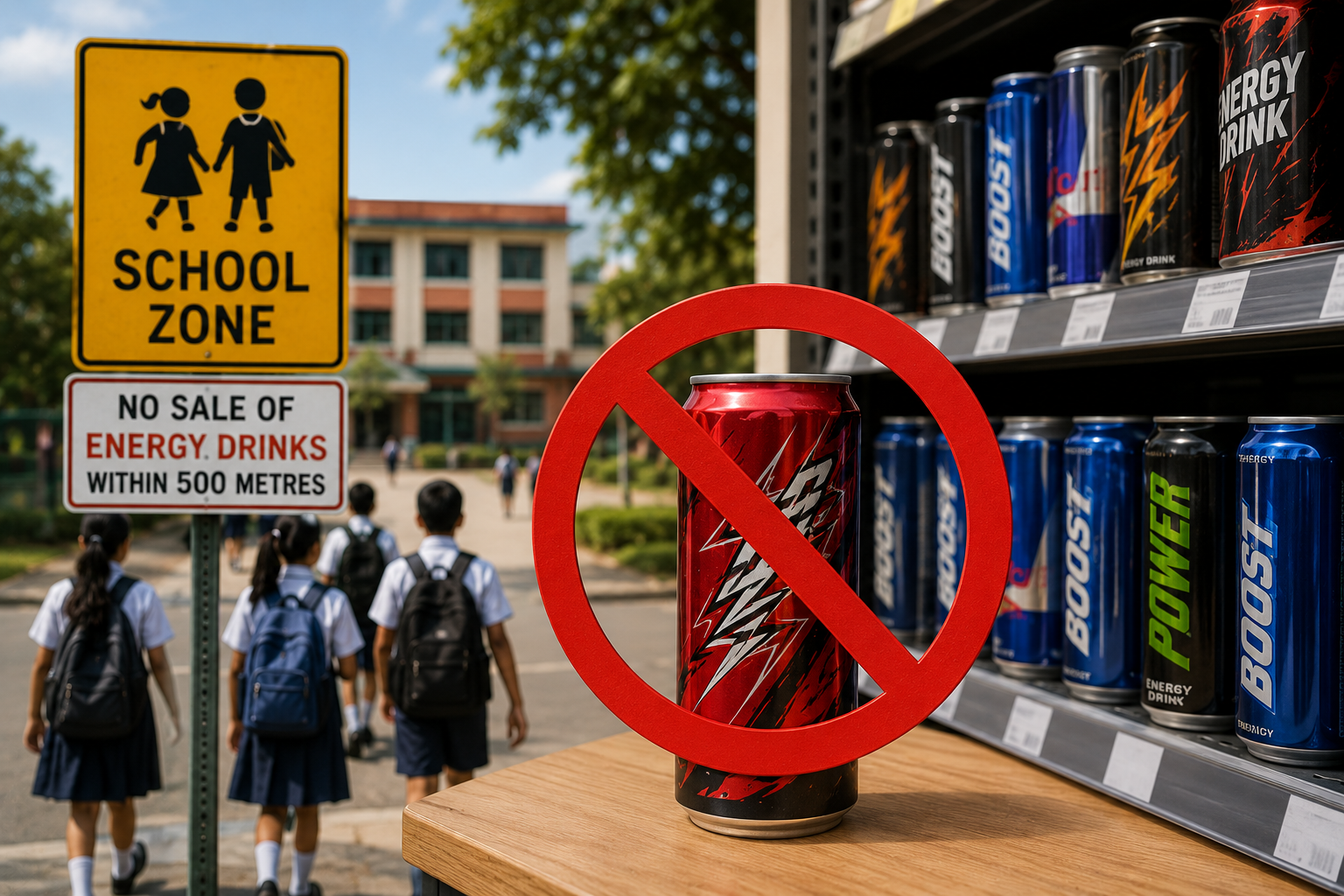
State Government Prohibits Sale of ‘Sting’ and Similar Beverages Within 500 Metres of Educational Institutions, Launches Awareness Drive
The Maharashtra government has announced a significant public health initiative by prohibiting the sale of 'Sting' energy drink and similar energy beverages within a 500-metre radius of schools across the state. The decision aims to reduce children's access to highly caffeinated beverages and encourage healthier consumption habits among students.
The announcement was made by Food and Drug Administration (FDA) Minister Narhari Zirwal in the Maharashtra Legislative Assembly while responding to concerns regarding the growing popularity of energy drinks among school-going children. Along with the sales restriction, the government has directed educational institutions to organize awareness campaigns highlighting the health risks associated with excessive consumption of energy drinks.
The move reflects the state's broader focus on preventive healthcare and child welfare, as governments worldwide increasingly review regulations surrounding energy drinks marketed to young consumers.
Government Takes Preventive Health Approach
The Maharashtra government's decision is aimed at creating a healthier environment around educational institutions by limiting the availability of products that may not be suitable for children.
According to the state government, the restriction is intended to discourage regular consumption of energy drinks by students, particularly during school hours when such beverages are easily accessible through nearby retail outlets.
Officials believe that combining regulatory measures with awareness programmes will help build healthier lifestyle habits among children at an early age.
500-Metre Restriction Around Schools
Under the new policy, retailers located within a 500-metre radius of schools will not be allowed to sell Sting and other similar energy drinks.
The Food and Drug Administration (FDA) has been instructed to ensure effective implementation of the directive through inspections and regulatory monitoring.
The restriction is expected to cover shops, convenience stores, kiosks, and other retail establishments operating close to educational institutions.
Authorities are likely to issue detailed implementation guidelines and conduct regular compliance checks to ensure adherence to the new rule.
Why Energy Drinks Are Under Increased Scrutiny
Energy drinks have become increasingly popular among teenagers and young adults due to aggressive marketing and their perceived ability to improve alertness and energy levels.
However, many such beverages contain ingredients that require careful consumption, including:
- High levels of caffeine
- Added sugars
- Taurine
- Guarana extracts
- Artificial flavouring
- Preservatives
Medical experts generally advise that children and adolescents should avoid excessive intake of highly caffeinated beverages because of their potential impact on physical and mental health.
Potential Health Risks for Children
Health professionals have raised concerns that excessive consumption of energy drinks may contribute to several health-related issues among young consumers.
Possible risks include:
- Sleep disturbances
- Increased heart rate
- Anxiety and nervousness
- Elevated blood pressure
- Reduced concentration over time
- Higher daily sugar intake
- Risk of obesity
- Dental health concerns
While occasional consumption may not pose significant risks for healthy adults, experts recommend limiting or avoiding these beverages for children and adolescents.
Schools to Launch Awareness Campaigns
The Maharashtra government has also instructed schools to educate students about healthy eating and drinking habits.
Educational institutions are expected to conduct awareness programmes covering:
- Balanced nutrition
- Risks of excessive caffeine
- Sugar consumption
- Reading food labels
- Healthy beverage choices
- Lifestyle and wellness education
Officials believe awareness among students, teachers, and parents will play an important role in ensuring the success of the initiative.
Global Trend Towards Regulating Energy Drinks
Maharashtra's decision aligns with a broader international trend where governments are introducing safeguards related to energy drink consumption among minors.
Several countries have adopted measures such as:
- Minimum age restrictions
- Sales limitations near schools
- Mandatory warning labels
- Marketing restrictions
- Public health awareness campaigns
Growing scientific evidence regarding caffeine consumption among children has encouraged policymakers worldwide to adopt more cautious regulatory approaches.
Impact on Retailers and Beverage Industry
The immediate impact of the policy is expected to be concentrated among retailers operating near educational institutions.
Businesses located within the designated radius may need to adjust their product offerings and ensure compliance with the FDA's guidelines.
For beverage manufacturers, the move may encourage greater emphasis on:
- Responsible marketing
- Product transparency
- Healthier beverage alternatives
- Low-sugar formulations
- Functional drinks
The broader beverage industry is already witnessing increasing consumer demand for wellness-oriented products.
Health-Conscious Consumer Trends Continue to Grow
India's food and beverage market is gradually shifting towards healthier consumption patterns.
Consumers are increasingly choosing:
- Natural fruit-based drinks
- Electrolyte beverages
- Herbal drinks
- Low-sugar products
- Functional nutrition beverages
- Traditional health drinks
This trend is encouraging companies to diversify product portfolios beyond conventional carbonated and high-caffeine beverages.
Successful Implementation Will Be Crucial
While the policy announcement represents an important public health measure, its effectiveness will depend on proper implementation.
Authorities are expected to focus on:
- Retail inspections
- Compliance monitoring
- Public awareness
- School participation
- Community engagement
- Regulatory enforcement
Collaboration between schools, parents, retailers, and government agencies will be essential to ensure that the policy achieves its intended objectives.
Focus on Child Health and Preventive Healthcare
The initiative also reflects the growing emphasis on preventive healthcare in India.
Rather than addressing health issues after they arise, governments are increasingly introducing measures aimed at reducing risk factors among children through education, regulation, and healthier environments.
Such policies may contribute to improved public health outcomes while encouraging responsible consumption habits from an early age.