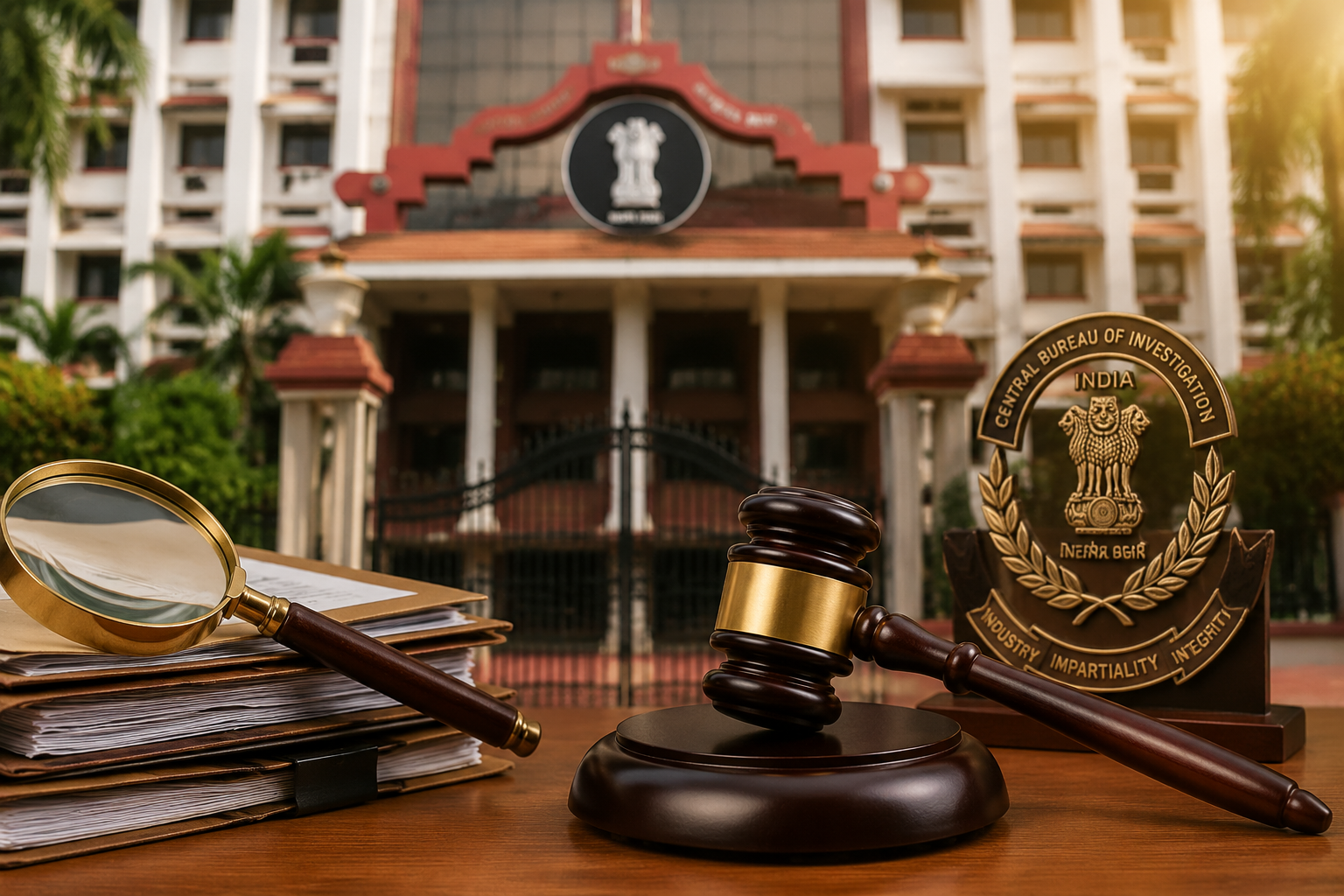
High Court Informed That Sanction Will Be Granted as Contempt Proceedings Continue
The Kerala government has informed the Kerala High Court that it has decided to grant sanction to the Central Bureau of Investigation (CBI) to prosecute officials of the Kerala State Cashew Development Corporation (KSCDC) in connection with a corruption case dating back to 2015. The development marks a significant step in a long-pending investigation and could accelerate legal proceedings against the accused officials.
Government Confirms Decision Before High Court
During the hearing on Thursday, the state government told the High Court that it has taken the decision to approve the prosecution sanction sought by the CBI. The submission was made by Advocate General Jaju Babu before Justice A. Badharudeen.
The court recorded the government's statement and directed that the formal sanction order be placed on record during the next hearing, scheduled for July 8. The approval is considered a key legal requirement for prosecuting public officials in corruption-related cases.
Contempt Petition Triggered Court Proceedings
The matter came up before the court while hearing a contempt petition filed by Kollam resident Kadakampally Manoj. The petitioner alleged that the state authorities had failed to comply with the High Court's earlier directions regarding the grant of prosecution sanction to the CBI.
The petition argued that delays in approving the sanction had stalled progress in the corruption investigation, prompting judicial intervention to ensure compliance with previous court orders.
Background of the 2015 Graft Case
The case relates to alleged irregularities involving officials of the Kerala State Cashew Development Corporation (KSCDC) in 2015. The CBI has been investigating the matter for several years and had sought the state's approval to initiate prosecution against the officials concerned.
Under existing legal provisions, investigating agencies must obtain prior government sanction before prosecuting serving or former public servants for acts linked to their official duties. Such approvals often play a decisive role in determining the pace of corruption cases.
Next Hearing on July 8
With the state government now indicating its willingness to grant sanction, the High Court has asked that the official order be produced during the next hearing on July 8. Once the sanction is formally issued, the CBI is expected to proceed with the prosecution process in accordance with law.
The upcoming hearing will be closely watched as it could determine the next phase of legal action in a case that has remained pending for more than a decade.
Why It Matters
The decision signals progress in a long-running corruption investigation and reinforces judicial oversight in ensuring timely administrative action. Granting prosecution sanction removes a significant procedural hurdle, enabling investigative agencies to pursue accountability in cases involving public officials while strengthening the overall anti-corruption framework.