Ancient Art of Tatreez Emerges as a Powerful Symbol of Identity, Resilience and Economic Empowerment for the Global Palestinian Diaspora
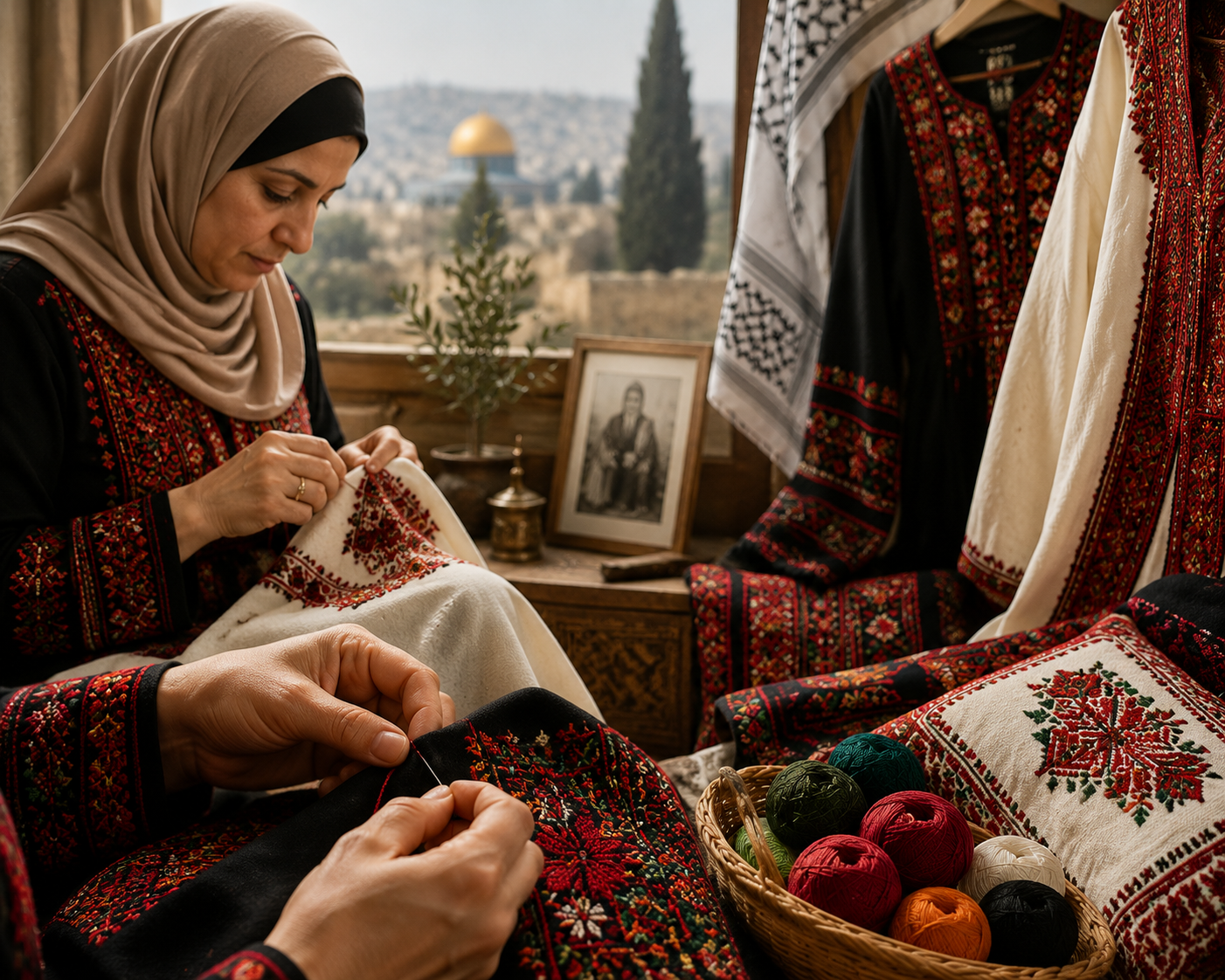
Across refugee communities and Palestinian diaspora populations around the world, a centuries-old embroidery tradition known as Tatreez is helping preserve cultural identity, strengthen community ties and create new economic opportunities. More than an artistic craft, Tatreez has become a living symbol of resilience, connecting generations of Palestinians to their heritage despite decades of displacement.
For many members of the diaspora, especially younger generations born outside their ancestral homeland, the intricate embroidery serves as a tangible link to family history, traditions and cultural roots. Passed down through generations of women, the craft continues to flourish through community workshops, artisan cooperatives and digital marketplaces, ensuring that one of Palestine's oldest artistic traditions remains relevant in the modern world.
Stories like that of Samar Kabouli, who was born in Lebanon to Palestinian refugee parents, illustrate how Tatreez has evolved from a traditional household craft into both a cultural lifeline and a source of livelihood.
An Ancient Tradition Woven into History
Tatreez is one of the oldest forms of traditional Palestinian embroidery, with roots stretching back centuries.
The art form is distinguished by its:
- Hand-stitched geometric patterns.
- Brightly coloured threads.
- Symbolic motifs.
- Regional design variations.
- Traditional craftsmanship.
Historically, embroidered garments reflected not only artistic expression but also the identity of specific villages and communities, with unique patterns representing different regions across historic Palestine.
Each stitch carried cultural meaning, transforming clothing into a visual record of heritage and tradition.
More Than Embroidery: A Symbol of Identity
For Palestinians living across the world, Tatreez represents far more than decorative textile art.
The embroidery has become a powerful symbol of:
- Cultural identity.
- Family heritage.
- Collective memory.
- Community resilience.
- Generational continuity.
Many Palestinians born outside their ancestral homeland learn the craft as a way of maintaining an emotional connection to their roots.
The embroidered patterns often serve as reminders of family history and cultural traditions that have survived despite displacement.
Connecting the Global Palestinian Diaspora
Today, Palestinian communities can be found across the Middle East, Europe, North America and other regions.
For many families, traditional embroidery has become an important cultural bridge connecting younger generations to their heritage.
Community organisations and cultural centres regularly organise Tatreez workshops where experienced artisans teach traditional stitching techniques to children and young adults.
These initiatives ensure that knowledge is passed from one generation to the next while strengthening cultural identity within diaspora communities.
A Personal Story of Heritage and Hope
Samar Kabouli's journey reflects the experience of many Palestinians living outside their homeland.
Growing up in Lebanon after her parents were displaced, she learned embroidery while spending time with the women in her family, sharing stories and traditions over cups of cardamom-flavoured coffee.
Initially, Tatreez provided her with an opportunity to earn income during her teenage years.
Over time, however, the craft became much more than an economic activity—it evolved into a deeply personal connection with the homeland her parents had been forced to leave.
Her story highlights how traditional arts often become powerful tools for preserving identity across generations.
Economic Empowerment Through Traditional Craftsmanship
Beyond its cultural significance, Tatreez has also become an important source of income for thousands of women.
Artisans today create a wide variety of handcrafted products, including:
- Traditional dresses.
- Scarves.
- Handbags.
- Cushion covers.
- Wall art.
- Fashion accessories.
- Home décor.
- Contemporary apparel.
Growing international demand for handmade and ethically produced goods has opened new markets for Palestinian embroidery through online platforms and international exhibitions.
For many families, the craft provides valuable financial support while preserving cultural traditions.
Global Recognition Strengthens Preservation
Traditional Palestinian embroidery has gained increasing international recognition over the past decade.
Museums, cultural institutions and art exhibitions around the world have highlighted Tatreez as an important element of intangible cultural heritage.
Fashion designers have also begun incorporating traditional embroidery patterns into contemporary collections, helping introduce the art form to wider audiences while preserving its historical significance.
This growing global appreciation has encouraged younger generations to learn and continue the tradition.
Women at the Centre of Cultural Preservation
Women have historically played a central role in safeguarding the Tatreez tradition.
For centuries, mothers and grandmothers have passed embroidery skills directly to younger family members, preserving patterns, techniques and stories that might otherwise have been lost.
Today, women-led cooperatives continue to:
- Train new artisans.
- Promote traditional craftsmanship.
- Support small businesses.
- Generate household income.
- Preserve cultural heritage.
These initiatives combine economic empowerment with cultural preservation, creating sustainable opportunities for local communities.
Blending Tradition with Modern Design
While preserving traditional stitching methods, many artisans are adapting Tatreez for modern markets.
Contemporary products now include:
- Designer clothing.
- Fashion accessories.
- Jewellery.
- Lifestyle products.
- Corporate gifts.
- Interior decoration items.
This fusion of heritage and innovation has expanded the appeal of Palestinian embroidery to younger consumers around the world.
Digital Platforms Expand Global Reach
Technology has significantly increased international awareness of Tatreez.
Social media, e-commerce platforms and virtual workshops allow artisans to:
- Showcase their creations globally.
- Sell directly to customers.
- Share educational content.
- Preserve traditional patterns digitally.
- Build international communities of craft enthusiasts.
Digital connectivity has enabled traditional craftsmanship to reach audiences far beyond local markets.
Creative Industries Driving Cultural Sustainability
The revival of traditional embroidery reflects the growing importance of cultural and creative industries within the global economy.
Consumers increasingly value products that offer:
- Authentic craftsmanship.
- Cultural significance.
- Sustainability.
- Ethical production.
- Handmade quality.
This trend is creating new commercial opportunities while encouraging the preservation of traditional skills.
The Future of Tatreez
Interest in heritage crafts continues to grow worldwide, particularly among younger generations seeking meaningful connections with their cultural roots.
Future growth is expected to be supported by:
- Educational programmes.
- Artisan cooperatives.
- International exhibitions.
- Cultural tourism.
- Digital marketplaces.
- Sustainable fashion.
These developments are helping ensure that Tatreez remains both culturally relevant and economically sustainable.