NHTSA Flags Park System Failure Risk That Could Lead to Vehicle Rollaway; Company to Provide Free Software Updates and Repairs
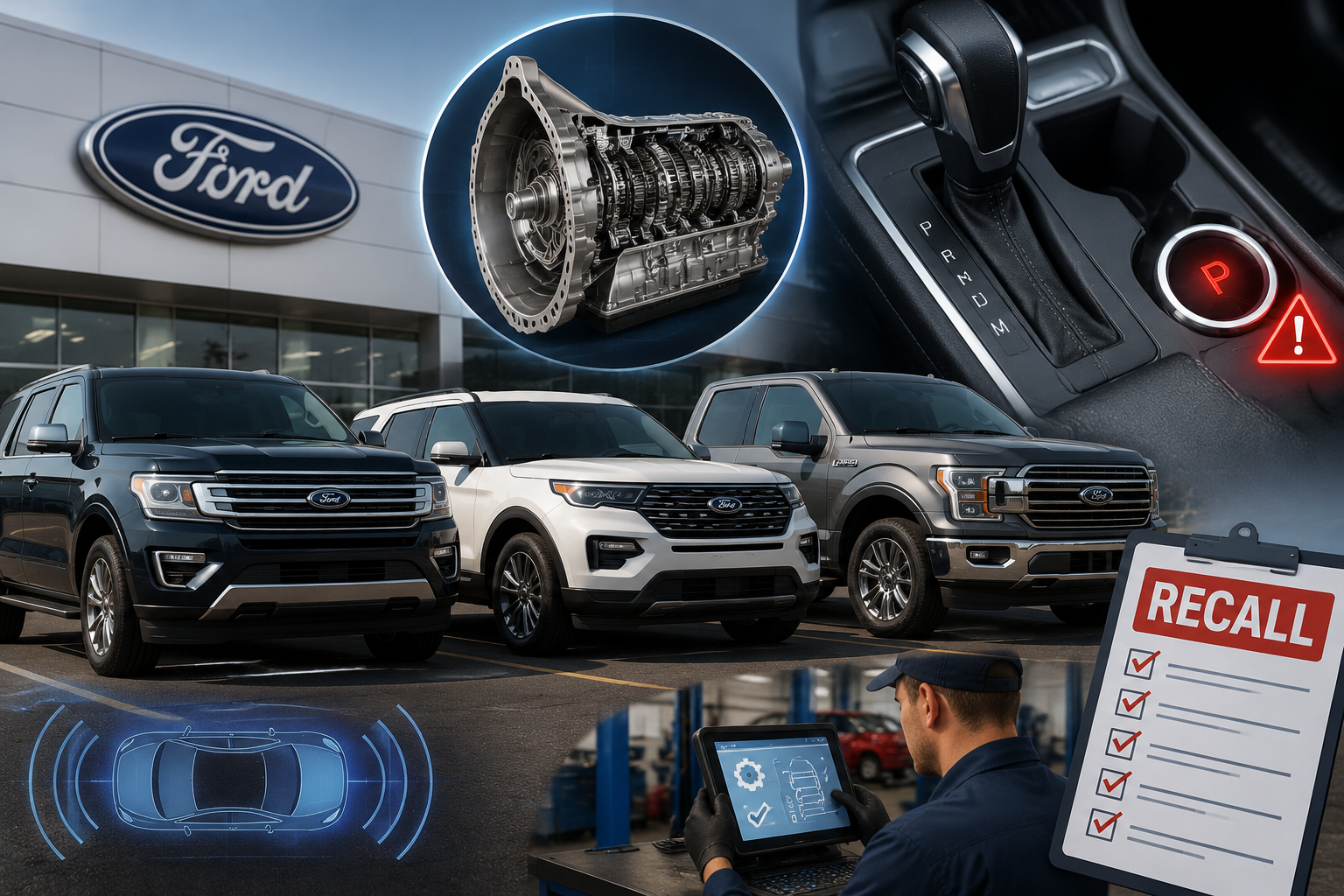
Ford Motor Company has announced the recall of more than 741,000 vehicles across the United States after a transmission-related defect was found that could compromise the vehicle's parking system and increase the risk of unintended rollaway incidents. The recall, announced by the US National Highway Traffic Safety Administration (NHTSA), is one of the largest safety campaigns undertaken by the automaker this year.
In a separate action, Ford is also recalling over 36,000 Bronco SUVs due to improperly secured fender flares that could detach while driving and pose a hazard to other road users.
The company said all repairs related to both recalls will be carried out free of charge through its authorized dealership network.
Transmission Defect Could Affect Vehicle Safety
The primary recall involves a software-related issue within the transmission control system that may damage the transmission's park mechanism over time.
If the defect develops, the vehicle may fail to remain securely in the "Park" position, potentially allowing it to roll away unexpectedly after the driver exits.
Such incidents can increase the likelihood of property damage, collisions or injuries, particularly if vehicles are parked on inclined surfaces or in crowded areas.
Ford and the NHTSA have urged affected vehicle owners to respond promptly once recall notifications are received.
Models Covered Under the Recall
The recall affects several popular Ford and Lincoln models manufactured between 2018 and 2021, including:
-
Ford Expedition (2018–2021)
-
Lincoln Navigator (2018–2021)
-
Ford Explorer (2020–2021)
-
Lincoln Aviator (2020–2021)
-
Ford F-150 (2021)
These vehicles represent some of Ford's highest-selling SUVs and pickup trucks in the North American market.
Owners are advised to verify whether their vehicle is included in the recall using the vehicle identification number (VIN) through Ford's official recall portal or by contacting an authorized dealership.
Free Repairs and Software Updates
To resolve the issue, Ford dealerships will perform several corrective actions at no cost to customers.
The repair programme includes:
-
Updating the transmission control software
-
Inspecting the transmission parking mechanism
-
Replacing damaged transmission components where necessary
Customers will receive official notifications detailing how to schedule appointments for inspection and repairs.
The company emphasized that timely completion of recall work is essential to maintaining vehicle safety and preventing potential failures.
Separate Bronco Recall Addresses Exterior Component
In addition to the transmission-related campaign, Ford has also initiated a separate recall involving 36,046 Bronco SUVs.
The issue relates to fender flares—protective extensions positioned around the vehicle's wheel arches—that may not have been properly secured during manufacturing.
Loose fender flares could detach while the vehicle is in motion, creating road debris that may increase the risk of accidents for surrounding motorists.
Dealerships will inspect the affected vehicles and repair or replace the components wherever required, again without any cost to customers.
Recalls Reflect Growing Importance of Software in Modern Vehicles
Modern automobiles rely extensively on software to manage critical vehicle functions, including braking, steering, transmission control and advanced driver assistance systems.
As software content within vehicles continues to increase, manufacturers are placing greater emphasis on remote diagnostics, software validation and preventive recall programmes.
Industry experts note that while software-driven recalls have become more common, they also demonstrate the automotive industry's ability to identify and address safety concerns before they result in widespread incidents.
Impact on Ford
Large recall campaigns typically result in higher warranty expenses and additional service costs for manufacturers.
However, analysts believe proactive recalls often help preserve long-term customer confidence by demonstrating a commitment to safety and regulatory compliance.
Ford has continued investing heavily in product quality, connected vehicle technologies, electrification and advanced manufacturing processes while working to strengthen its quality assurance systems.
Addressing defects promptly also helps reduce legal exposure and reinforces trust among customers and regulators.
What Owners Should Do
Owners of affected vehicles are encouraged to:
-
Check whether their vehicle is included in the recall.
-
Schedule service appointments as soon as notifications are received.
-
Complete all recommended repairs without delay.
-
Continue monitoring official communications from Ford regarding recall updates.
-
Report any unusual transmission behaviour or warning indicators to authorized service centres immediately.
Prompt action can significantly reduce safety risks while ensuring the vehicle continues operating as intended.
Automotive Industry Faces Increasing Safety Oversight
Vehicle recalls remain an essential component of automotive safety worldwide.
Regulatory agencies such as the NHTSA continue working closely with manufacturers to identify defects through customer complaints, field investigations, engineering analysis and quality audits.
As vehicles become increasingly connected and software-driven, recall campaigns are expected to evolve beyond traditional mechanical repairs toward software updates and digital system improvements.
Outlook
Ford's latest recalls underscore the growing complexity of modern vehicles and the critical importance of rigorous quality control across both mechanical and electronic systems.
While the recalls may temporarily increase service costs, they also highlight the company's willingness to address potential safety concerns proactively.
For vehicle owners, responding promptly to recall notices remains the most effective way to maintain road safety, protect vehicle reliability and ensure continued compliance with manufacturer safety standards.
As automotive technology continues to advance, timely inspections, preventive maintenance and manufacturer-led recall programmes will remain central to improving vehicle safety and enhancing consumer confidence across the global automotive industry.