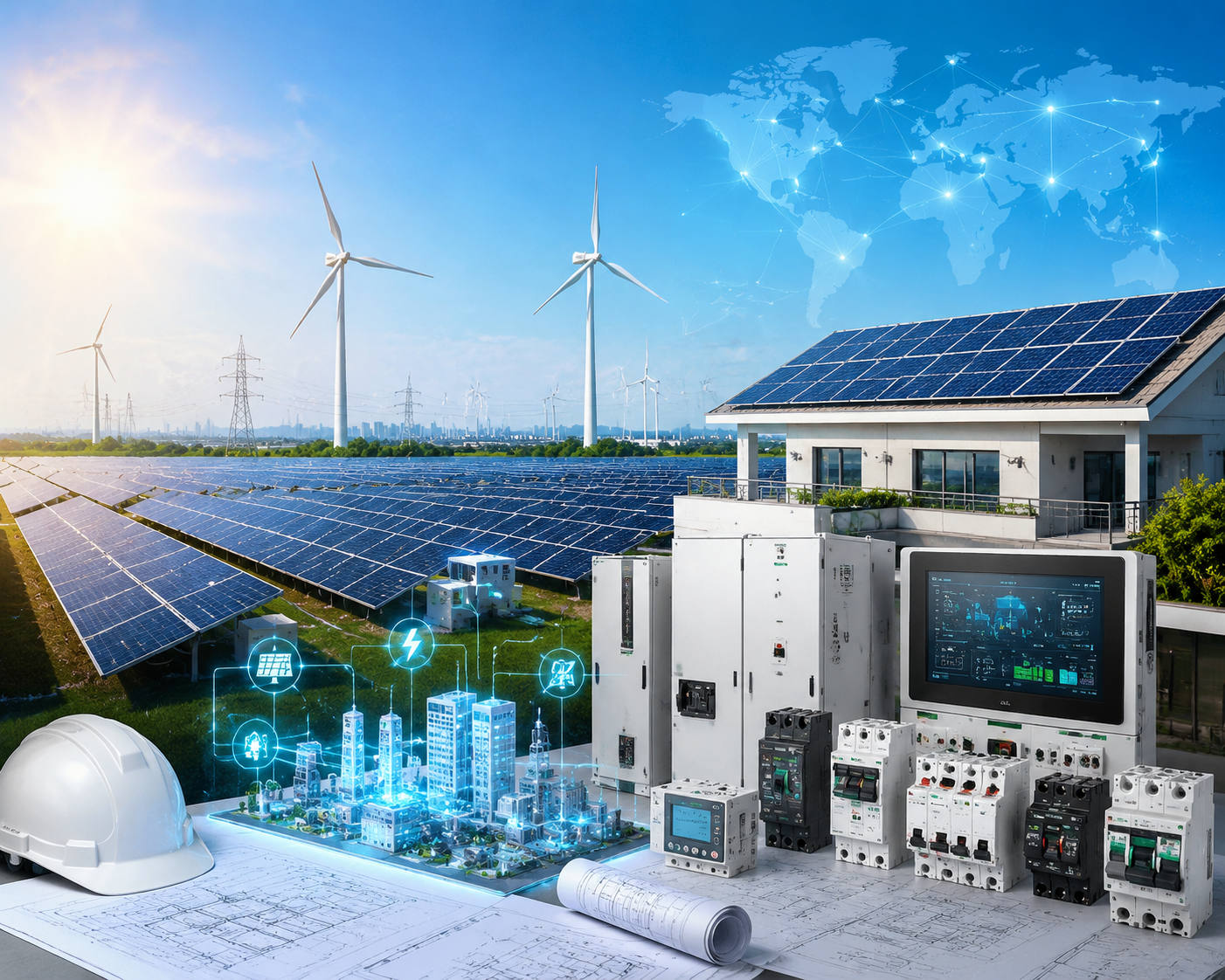
Milestone Highlights Company's Expanding Role in Utility-Scale Solar, Rooftop Installations and Smart Electrical Solutions Supporting India's Renewable Energy Transition
Lauritz Knudsen Electrical and Automation, one of India's leading electrical and automation technology companies, has achieved a significant milestone by enabling more than 50 gigawatts (GW) of solar power capacity across India and international markets. The achievement underscores the company's growing contribution to the global clean energy transition through advanced electrical infrastructure, automation technologies and digital energy solutions.
The company stated that its technologies are helping power everything from large utility-scale solar parks and commercial projects to residential rooftop installations and solar equipment manufacturing facilities. Beyond capacity creation, Lauritz Knudsen said its focus remains on expanding reliable and affordable access to clean energy while supporting national and global sustainability goals.
The milestone comes at a time when governments and industries worldwide are accelerating investments in renewable energy, smart grids and sustainable infrastructure to meet climate commitments and rising electricity demand.
Crossing the 50 GW Milestone
Enabling more than 50 GW of installed solar capacity marks one of the company's biggest achievements in the renewable energy sector.
The milestone reflects decades of expertise in delivering:
- Electrical distribution systems.
- Automation solutions.
- Digital energy management technologies.
- Smart power infrastructure.
- Industrial electrical equipment.
- Renewable energy integration systems.
These technologies have become critical components in ensuring the efficient operation of modern solar power projects.
Supporting the Entire Solar Ecosystem
Unlike companies focused solely on power generation, Lauritz Knudsen provides infrastructure that supports every stage of the solar value chain.
Its technologies are deployed across:
Utility-Scale Solar Parks
Large solar power plants supplying electricity to national and regional power grids.
Commercial and Industrial Projects
Factories, warehouses and commercial facilities adopting solar energy to reduce operational costs and carbon emissions.
Residential Rooftop Solar
Homes installing rooftop solar systems for cleaner and more affordable electricity generation.
Solar Manufacturing Facilities
Production plants manufacturing photovoltaic modules, electrical equipment and renewable energy components.
This broad presence allows the company to participate across multiple segments of the rapidly expanding renewable energy industry.
Driving India's Renewable Energy Ambitions
India has emerged as one of the fastest-growing renewable energy markets globally.
The country's long-term energy strategy focuses on:
- Expanding renewable power generation.
- Reducing dependence on fossil fuels.
- Strengthening domestic manufacturing.
- Enhancing energy security.
- Lowering carbon emissions.
- Increasing electricity access.
Infrastructure providers such as Lauritz Knudsen play an essential role by supplying the technologies required to connect, monitor and manage renewable power assets efficiently.
Digital Technologies Making Solar Smarter
Modern solar projects increasingly depend on digital technologies to improve efficiency and reliability.
Lauritz Knudsen's solutions include advanced systems for:
- Real-time energy monitoring.
- Remote asset management.
- Predictive maintenance.
- Grid synchronisation.
- Intelligent power distribution.
- Operational analytics.
These capabilities help project developers maximise energy generation while reducing maintenance costs and improving long-term system performance.
Expanding Clean Energy Beyond Cities
The company emphasised that its technologies are helping extend the benefits of renewable energy beyond major urban centres.
Its infrastructure supports clean electricity access across:
- Rural communities.
- Agricultural operations.
- Small businesses.
- Educational institutions.
- Healthcare facilities.
- Residential neighbourhoods.
Distributed solar solutions are becoming increasingly important in improving energy access while supporting sustainable rural development.
Building Smarter Electrical Infrastructure
As renewable energy penetration increases, robust electrical infrastructure becomes even more important.
Lauritz Knudsen's portfolio includes solutions for:
- Power distribution.
- Circuit protection.
- Switchgear.
- Automation controls.
- Digital electrical systems.
- Energy management platforms.
These technologies help ensure reliable electricity supply while improving the safety and efficiency of renewable energy installations.
Renewable Energy Investment Continues to Accelerate
Global investment in renewable energy has reached record levels as governments pursue net-zero carbon targets and businesses adopt cleaner energy sources.
Solar energy remains one of the fastest-growing renewable technologies due to:
- Declining installation costs.
- Higher efficiency panels.
- Supportive government policies.
- Rising electricity demand.
- Corporate sustainability commitments.
This trend is expected to create sustained demand for advanced electrical and automation infrastructure.
Supporting Manufacturing Growth
Apart from power generation, Lauritz Knudsen's technologies also support the manufacturing ecosystem behind renewable energy.
Applications include:
- Solar panel manufacturing plants.
- Component production facilities.
- Industrial automation.
- Factory electrification.
- Energy-efficient manufacturing operations.
As India strengthens its domestic manufacturing capabilities, demand for such infrastructure is expected to grow further.
Role of Smart Automation in Renewable Energy
Automation has become an integral part of modern renewable energy projects.
Advanced automation enables:
- Faster fault detection.
- Improved operational efficiency.
- Lower maintenance costs.
- Better energy optimisation.
- Enhanced equipment lifespan.
- Increased plant reliability.
These capabilities help developers improve project economics while ensuring uninterrupted power generation.
India's Clean Energy Opportunity
India continues to invest heavily in renewable energy infrastructure as part of its long-term economic and environmental strategy.
Growth drivers include:
- Rising electricity consumption.
- Urbanisation.
- Industrial expansion.
- Electrification initiatives.
- Corporate renewable energy adoption.
- Green manufacturing policies.
Companies providing enabling technologies are expected to benefit from these long-term structural trends.
Future Growth Outlook
The renewable energy ecosystem is evolving beyond power generation to include digital intelligence, automation and integrated energy management.
Emerging opportunities include:
- Smart grids.
- Battery energy storage systems.
- Electric vehicle charging infrastructure.
- Industrial electrification.
- Distributed energy resources.
- Intelligent energy management solutions.
Technology providers with diversified capabilities are well positioned to capture growth across these expanding segments.
Global Sustainability Goals Driving Demand
Countries worldwide continue to accelerate investments aimed at reducing greenhouse gas emissions and improving energy efficiency.
As renewable energy adoption increases, demand for advanced electrical infrastructure is expected to remain strong across both developed and emerging markets.
Companies capable of delivering integrated electrical, automation and digital technologies are likely to play a central role in supporting the global clean energy transition.