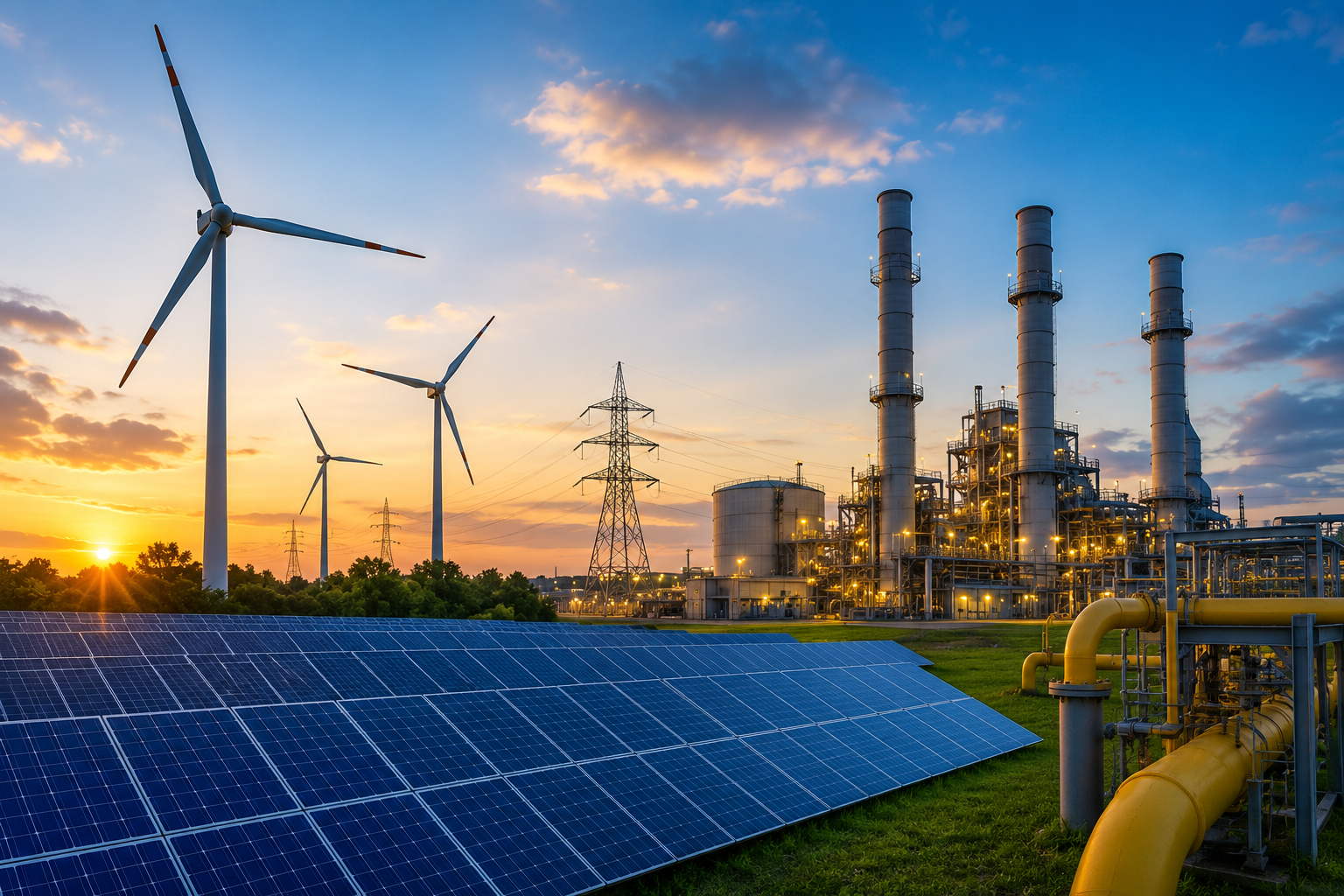
Renewable Capacity Is Expanding at Record Pace, but Grid Stability, Energy Storage and Flexible Generation Remain Critical for a Reliable Power Supply
India's clean energy transition has made remarkable progress over the past decade, with solar and wind power emerging as the fastest-growing sources of electricity generation. Renewable energy is now meeting a substantial share of the country's daytime electricity demand, reducing dependence on coal and supporting India's long-term commitment to lowering carbon emissions.
However, recent developments highlight an important challenge facing the power sector. Grid India, the country's national power system operator, has advised gas-based power stations to prepare for additional electricity generation during the monsoon season, underscoring that renewable energy alone cannot yet guarantee uninterrupted power supply.
The advisory reflects the evolving nature of India's electricity grid, where renewable energy growth must be complemented by flexible backup generation, energy storage and smarter grid management to ensure reliable electricity around the clock.
Renewable Energy Reaches Historic Milestones
India has rapidly expanded its renewable energy capacity through large-scale investments in:
- Solar parks
- Wind energy projects
- Rooftop solar installations
- Hybrid renewable projects
- Green energy transmission corridors
The impact of these investments became evident during the country's record electricity demand of 256 GW in April 2026, when solar energy alone supplied nearly 22% of daytime electricity demand.
The increasing contribution from renewable sources has helped reduce fossil fuel consumption during daylight hours while lowering carbon emissions and improving energy security.
Why Renewable Energy Alone Cannot Meet Round-the-Clock Demand
Although renewable energy is becoming increasingly affordable and abundant, its generation depends on natural conditions.
Solar Energy
Solar plants generate electricity only during daylight hours. Output declines significantly during cloudy weather and falls to zero after sunset.
Wind Energy
Wind generation depends entirely on wind speeds, which fluctuate throughout the day and across seasons.
Electricity demand, however, continues throughout the day and typically peaks during the evening, when solar generation rapidly declines.
This mismatch between electricity generation and demand creates one of the biggest operational challenges for modern power systems.
The Importance of Grid Balancing
To maintain uninterrupted electricity supply, grid operators must continuously balance power generation with electricity demand.
Whenever renewable output falls unexpectedly, other power sources must quickly increase generation to avoid power shortages.
This process, known as grid balancing, requires flexible generating stations capable of responding within minutes.
Currently, India's primary sources of flexible generation include:
- Hydroelectric power stations
- Gas-fired power plants
- Limited battery storage capacity
These resources act as balancing mechanisms rather than replacing renewable energy.
Grid India Calls on Gas Plants to Prepare
Recognising the possibility of renewable generation fluctuations during the monsoon season, Grid India issued an advisory asking gas-based power plants to prepare for additional operations.
The advisory instructed operators to arrange fuel procurement based on assessments of:
- Expected electricity demand
- Renewable generation forecasts
- Weather conditions
- Planned maintenance shutdowns
- Forced outages
- Hydropower availability
The move reflects the growing importance of gas-fired plants as a flexible source of electricity whenever renewable output becomes insufficient.
Hydropower Faces Seasonal Constraints
Hydroelectric power has traditionally served as India's preferred balancing resource because it can quickly increase or reduce generation.
However, this year presents unique challenges.
Forecasts of below-normal monsoon rainfall have encouraged reservoir operators to conserve water for:
- Irrigation
- Drinking water
- Future electricity generation
As a result, hydropower stations have less flexibility to support the grid during evening demand peaks, increasing reliance on gas-fired plants.
Gas Plants Face Fuel Availability Challenges
While gas-based power plants are technically well-suited for balancing renewable energy, fuel availability remains a major concern.
Unlike coal, which is produced largely within India, natural gas-based electricity generation depends heavily on imported Liquefied Natural Gas (LNG).
This exposes the sector to:
- International price volatility
- Currency fluctuations
- Shipping disruptions
- Global supply shortages
- Geopolitical tensions
Consequently, the cost of operating gas-fired power stations can vary significantly depending on global energy markets.
LNG Demand and Prices Continue to Rise
The growing reliance on gas-fired generation is already visible in market data.
According to industry statistics:
- Power companies significantly increased natural gas purchases during June.
- Spot-market gas procurement rose sharply compared to the previous year.
- Spot LNG prices recorded substantial year-on-year increases during April and May.
Higher fuel costs make gas-based electricity more expensive, reinforcing the need for long-term alternatives such as battery storage and advanced grid management.
Energy Storage Is the Missing Piece
Experts believe India's renewable energy transition will increasingly depend on large-scale energy storage solutions.
Storage technologies can capture excess electricity generated during sunny or windy periods and release it later when renewable generation declines.
Key technologies include:
- Battery Energy Storage Systems (BESS)
- Pumped hydro storage
- Green hydrogen
- Thermal energy storage
As storage costs continue to decline, these technologies are expected to reduce dependence on gas-fired power plants over the coming decade.
Smart Grids Will Shape the Future
Beyond energy storage, India's power sector is gradually adopting smarter grid technologies to improve reliability.
Future grid management will increasingly rely on:
- Artificial intelligence-based demand forecasting
- Advanced weather prediction
- Digital transmission networks
- Automated grid controls
- Smart meters
- Demand response systems
These innovations will help maximise renewable energy utilisation while reducing operational costs and improving grid stability.
Investment Opportunities Across the Energy Value Chain
India's evolving electricity sector presents significant opportunities across multiple industries.
Growth areas include:
- Renewable energy developers
- Battery manufacturers
- Transmission infrastructure companies
- Smart grid technology providers
- Natural gas infrastructure
- LNG terminals
- Power equipment manufacturers
Rather than replacing conventional energy overnight, the transition is creating demand for complementary technologies that support a more flexible and resilient electricity system.
Challenges Ahead
Despite rapid progress, several challenges remain before India can rely predominantly on renewable energy.
These include:
- Expanding energy storage capacity
- Improving forecasting accuracy
- Strengthening interstate transmission networks
- Reducing battery costs
- Securing reliable gas supplies during the transition
- Managing rising electricity demand
Addressing these issues will be essential to achieving India's long-term clean energy objectives.
Outlook
India's renewable energy revolution is transforming the country's electricity sector, but the latest Grid India advisory demonstrates that clean energy expansion must be accompanied by investments in grid flexibility and reliable backup generation. Solar and wind power are reducing dependence on fossil fuels during favourable conditions, yet maintaining uninterrupted electricity supply still requires fast-response resources such as hydropower, gas-fired plants and emerging energy storage technologies.
Looking ahead, India's energy transition will increasingly focus not only on adding renewable capacity but also on building a smarter, more resilient power system. Continued investments in battery storage, flexible generation, transmission infrastructure and digital grid technologies will play a critical role in ensuring that renewable energy remains both sustainable and dependable. For investors, this evolving landscape presents long-term opportunities across the broader energy ecosystem, from clean energy developers and storage providers to grid infrastructure and natural gas companies supporting the transition to a low-carbon economy.