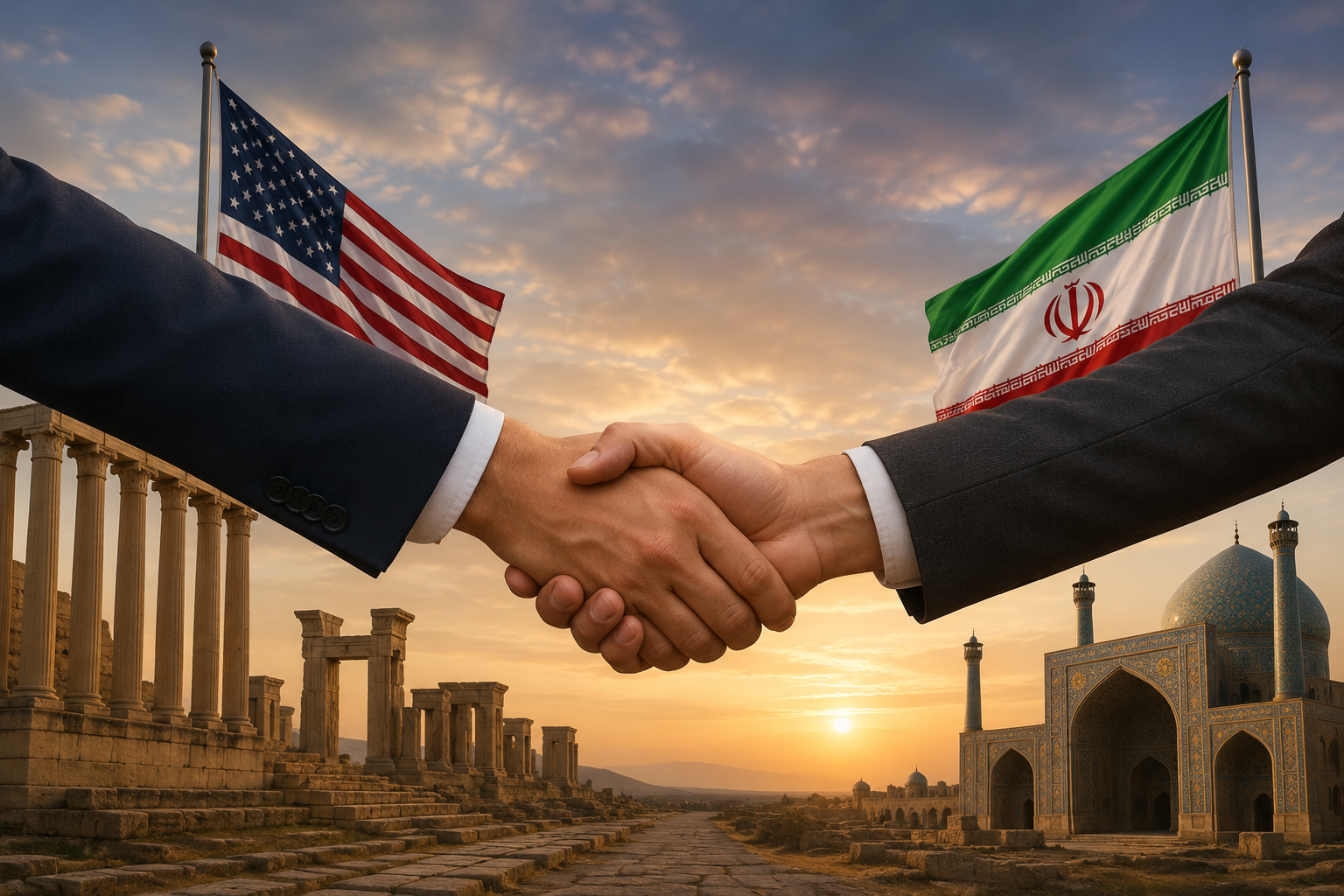
Ancient Rome-Persia Rivalry Offers Important Lessons for Modern Diplomacy
As diplomatic efforts continue to stabilize relations between the United States and Iran, questions remain over whether any peace agreement can deliver long-term stability. Although recent ceasefire efforts have reduced immediate tensions, history suggests that achieving a lasting peace could be far more challenging than ending military confrontation.
Political analysts believe that while both nations may seek to avoid a wider regional conflict, deep-rooted mistrust and competing strategic interests could complicate negotiations.
Historical Precedents Highlight Challenges
The relationship between ancient Rome and Persia provides valuable insight into present-day geopolitical realities. For centuries, the two empires engaged in repeated wars, negotiated numerous treaties and established temporary peace arrangements. However, many of these agreements ultimately collapsed as unresolved political and territorial disputes resurfaced.
Historians note that peace settlements often succeeded in halting active warfare but failed to address the underlying causes of conflict. Competition for regional influence, security concerns and shifting alliances frequently reignited hostilities.
Deep Trust Deficit Remains a Key Hurdle
One of the biggest obstacles to a sustainable US-Iran agreement is the longstanding trust deficit between the two countries. Decades of sanctions, diplomatic isolation, disputes over Iran's nuclear programme and differing regional priorities have created significant barriers to reconciliation.
Even if negotiators succeed in reaching a comprehensive agreement, implementation may prove difficult. Political changes in either country, domestic opposition or disagreements over compliance could undermine the durability of any accord.
Regional Dynamics Add Complexity
The broader Middle East landscape further complicates peace efforts. Several regional players closely monitor US-Iran relations, as any agreement could significantly influence security arrangements, energy markets and geopolitical alignments across the region.
Countries in the Gulf, Israel and other regional stakeholders are expected to play a critical role in shaping the future trajectory of US-Iran relations. Any peace framework will likely require broader regional cooperation to ensure lasting stability.
Economic Implications Could Be Significant
A successful diplomatic breakthrough could have important economic consequences. Reduced geopolitical tensions may ease concerns in global energy markets, potentially stabilizing crude oil prices and improving investor sentiment.
For financial markets, sustained peace could lower risk premiums associated with Middle East tensions, benefiting sectors sensitive to energy costs and international trade.
Peace Is a Long-Term Process
Historical experience demonstrates that peace is rarely achieved through a single agreement. Lasting stability requires continuous dialogue, confidence-building measures and sustained political commitment from all parties involved.
While diplomacy remains the most effective path to preventing further escalation, history serves as a reminder that durable peace demands patience, compromise and mutual trust. The success of any future US-Iran agreement will depend not only on diplomatic negotiations but also on the willingness of both nations to address longstanding differences and build a more stable relationship over time.