IMWA Launches Quality Assurance Mark as Indian Single Malts Gain International Prestige and Domestic Popularity
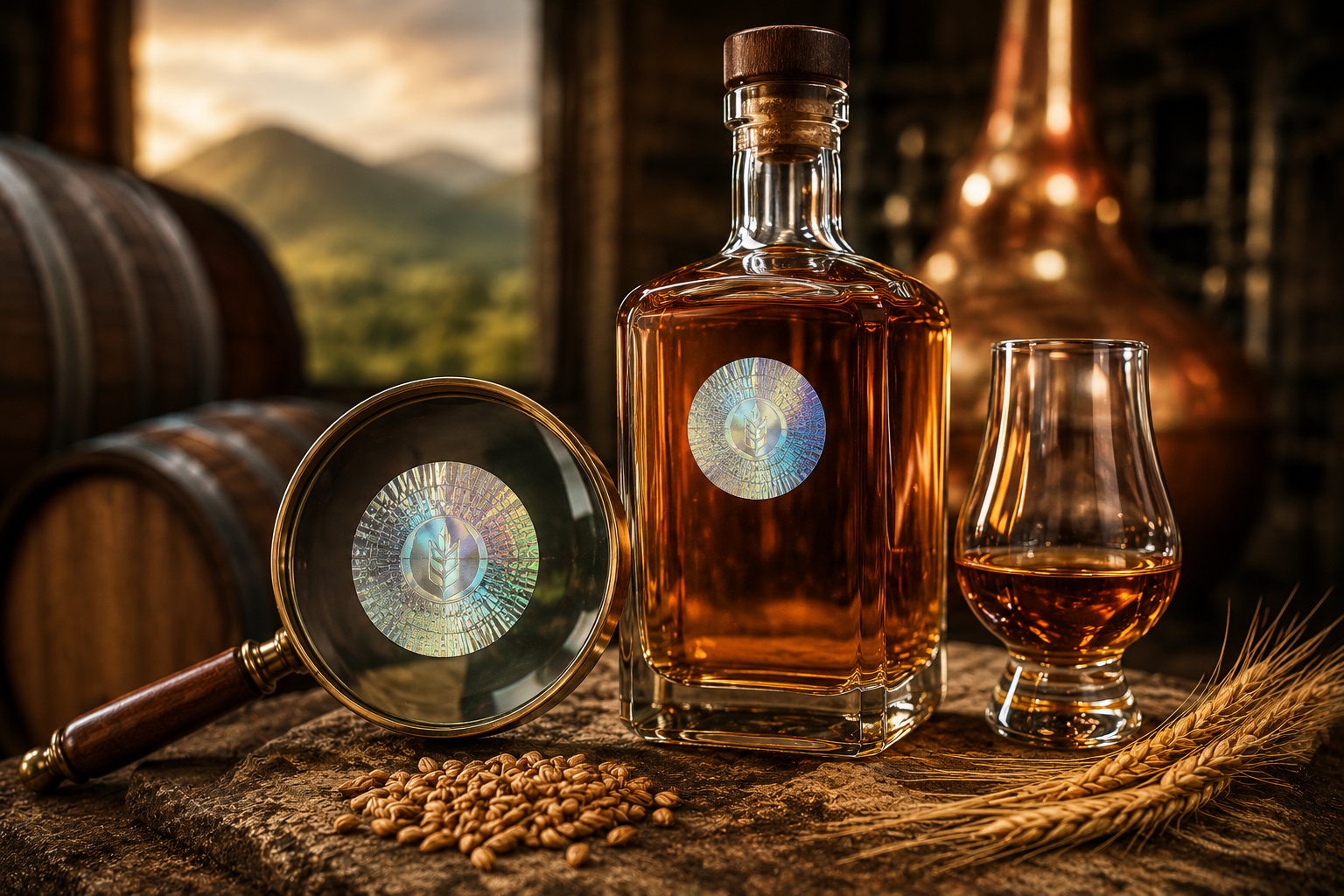
India's premium spirits industry has reached another important milestone with the Indian Malt Whisky Association (IMWA) announcing the rollout of a certification trademark hologram for Indian single malt whiskies. The initiative aims to establish a standardized framework for authenticity, quality assurance, and consumer confidence as Indian single malts continue their remarkable rise in both domestic and international markets.
Over the last decade, Indian single malt whiskies have transformed from a niche category into one of the fastest-growing premium alcoholic beverage segments in the world. Winning prestigious global awards and gaining recognition among whisky connoisseurs, Indian brands are increasingly challenging traditional whisky-producing nations on quality and craftsmanship.
The introduction of the IMWA certification hologram is expected to further strengthen the credibility of Indian single malts and create a clearer distinction between authentic products and those that do not meet established production standards.
A New Era for Indian Single Malt Whisky
The certification trademark will appear in the form of a hologram on eligible whisky bottles, serving as a visible symbol of authenticity and quality.
The initiative is designed to help consumers identify products that adhere to rigorous manufacturing standards established by the association.
What the Hologram Represents
The certification mark signifies that a whisky:
- Meets IMWA production standards
- Complies with quality assurance requirements
- Is produced using approved manufacturing practices
- Maintains authenticity throughout the production process
- Represents genuine Indian single malt craftsmanship
Industry leaders believe the move will create greater transparency and trust within the premium spirits market.
Rising Global Demand for Indian Single Malts
Indian single malt whisky has witnessed extraordinary growth over the past few years, driven by increasing consumer appreciation for premium spirits and the global recognition of Indian distilleries.
Once dominated by imported Scotch whiskies, the premium whisky segment now features several Indian brands that have earned accolades at international competitions.
Factors Driving Growth
The category has benefited from:
- Premiumisation of consumer preferences
- Rising disposable incomes
- Expanding luxury beverage consumption
- Growth in exports
- International awards and recognition
- Increasing interest among younger consumers
As a result, Indian single malts have emerged as one of the most exciting success stories in the country's beverage industry.
Building Consumer Trust Through Standardization
One of the key objectives of the certification program is to create a uniform definition of what constitutes an authentic Indian single malt whisky.
As the category expands, standardization becomes increasingly important for maintaining quality and protecting consumer interests.
Benefits for Consumers
The hologram will help buyers:
- Verify authenticity
- Identify certified products
- Gain confidence in quality standards
- Make informed purchasing decisions
- Differentiate genuine single malts from imitation products
This enhanced transparency is expected to support long-term category growth.
Aligning with Global Whisky Standards
The IMWA certification framework has been developed to align with internationally recognized whisky production practices while reflecting India's unique geographical and climatic characteristics.
Key Areas Covered
The standards are expected to address:
- Malt sourcing requirements
- Distillation processes
- Maturation standards
- Production transparency
- Quality control mechanisms
- Traceability and compliance
Such measures are designed to strengthen the reputation of Indian single malts on the global stage.
India's Climate Creates Distinctive Whisky Profiles
One of the reasons Indian single malts have gained international attention is their unique flavor profile, which differs significantly from whiskies produced in traditional regions such as Scotland or Ireland.
Impact of Indian Terroir
Factors contributing to distinctive characteristics include:
- Tropical aging conditions
- Diverse climatic zones
- Faster maturation cycles
- Unique grain and water sources
- Enhanced interaction between spirit and oak barrels
These conditions allow Indian whiskies to develop rich and complex flavor profiles within shorter aging periods.
Premiumisation Reshaping the Alcoholic Beverage Market
The growth of Indian single malts is part of a broader premiumisation trend across the beverage industry.
Consumers are increasingly shifting from mass-market products to premium and craft offerings that provide unique experiences and superior quality.
Emerging Consumer Trends
Modern consumers are seeking:
- Authentic craftsmanship
- Premium ingredients
- Heritage and storytelling
- Limited-edition offerings
- Distinctive taste profiles
This trend has significantly benefited premium whisky producers.
Export Markets Driving Future Growth
Indian single malt producers are also expanding aggressively into international markets.
Exports have become an increasingly important growth driver as global consumers discover Indian whisky brands.
Key International Markets
Indian single malts are gaining traction in:
- United Kingdom
- United States
- Europe
- Middle East
- Southeast Asia
- Australia
International recognition has helped elevate the category's status and attract new consumers worldwide.
Protecting Brand Reputation
As the popularity of Indian single malts grows, maintaining product integrity becomes critical.
Industry experts believe the certification system will help protect the reputation of genuine producers while ensuring consistent quality standards across the category.
Why Certification Matters
The initiative can help:
- Prevent misuse of category definitions
- Protect brand equity
- Enhance industry credibility
- Support premium pricing
- Strengthen global competitiveness
Such measures are increasingly common in premium beverage markets around the world.
Economic Impact on the Premium Spirits Industry
The premium alcoholic beverages segment is emerging as an important contributor to India's consumer economy.
The growth of Indian single malts has created opportunities across multiple industries.
Beneficiaries Include
- Distilleries
- Farmers supplying raw materials
- Packaging companies
- Hospitality businesses
- Tourism operators
- Exporters
As demand expands, the economic contribution of the sector is expected to increase further.
Industry Outlook Remains Strong
Market analysts expect the Indian single malt segment to continue growing at a healthy pace over the coming years.
Several structural factors support a positive outlook for the industry.
Growth Catalysts
Future expansion is likely to be driven by:
- Rising premium consumption
- International market penetration
- Brand innovation
- Tourism and hospitality growth
- Greater consumer awareness
- Enhanced quality standards
The introduction of certification could further accelerate this momentum.
A Milestone for India's Premium Beverage Industry
The launch of the IMWA certification hologram represents a significant step forward in the evolution of India's premium whisky sector.
By creating a recognizable mark of authenticity, the industry is taking proactive steps to safeguard quality, strengthen consumer confidence, and enhance global credibility.