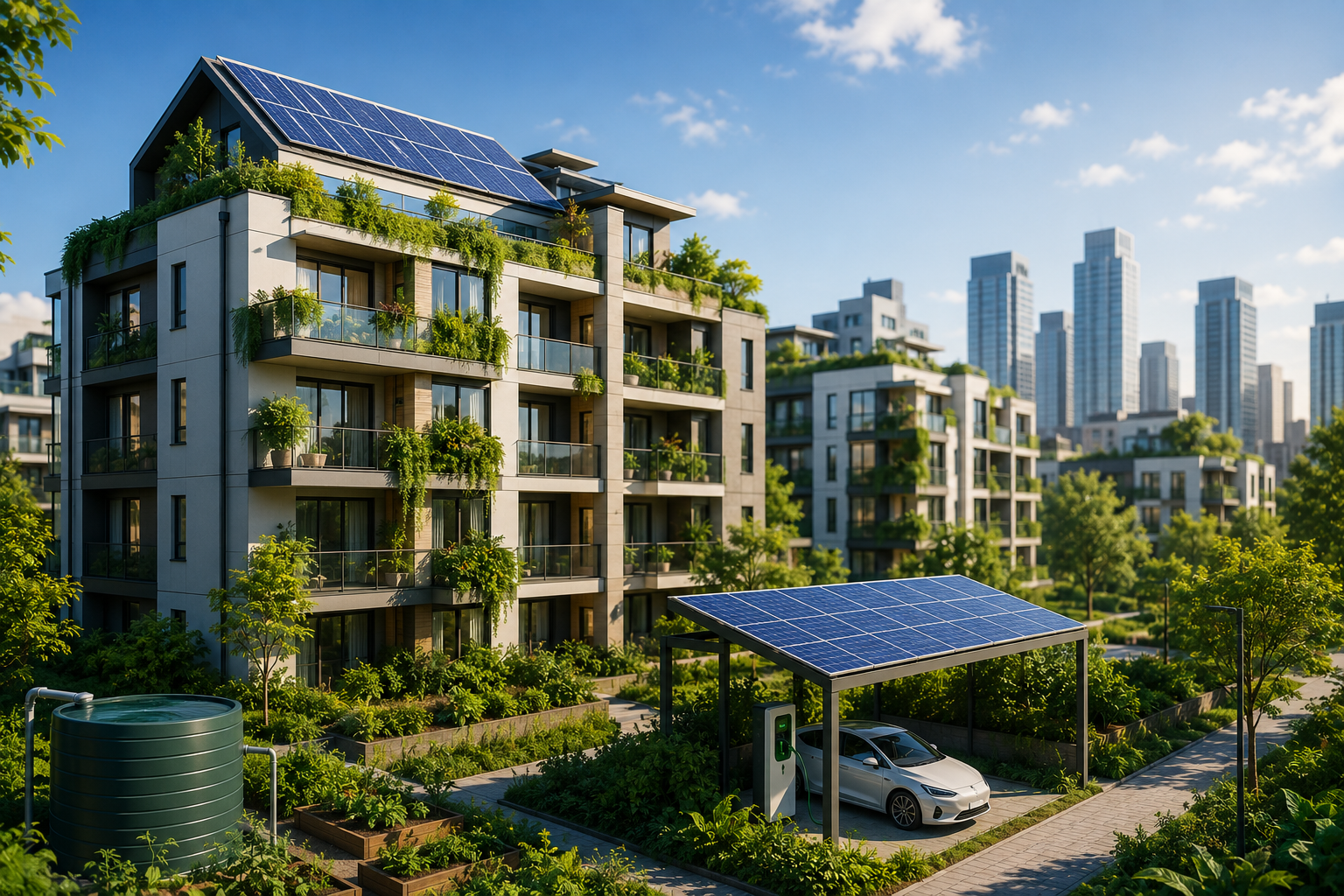
Sustainability Emerges as a Key Homebuying Factor Alongside Location, Price, and Amenities
India’s residential real estate market is undergoing a significant transformation as sustainability becomes an increasingly important factor in homebuying decisions. While green homes typically cost around 3.5% to 4% more than conventional residential properties, industry experts believe the long-term financial, environmental, and health benefits can far outweigh the additional upfront investment.
A recent industry report highlights that energy-efficient and environmentally responsible homes can reduce household utility expenses substantially over their lifespan. As urban populations continue to grow and climate-related challenges intensify, green housing is steadily moving from a niche segment to a mainstream requirement in India's real estate landscape.
The shift reflects changing consumer preferences, increasing awareness about environmental sustainability, and a growing understanding that the true cost of homeownership extends far beyond the purchase price.
The Financial Advantage of Green Homes
One of the biggest misconceptions surrounding sustainable housing is that higher construction costs automatically translate into lower affordability.
While developers may incur additional expenses to incorporate green building technologies and sustainable materials, homeowners often benefit from significant operational savings over time.
Key Savings for Homeowners
According to industry estimates, green homes can deliver:
-
20% to 30% lower energy expenses
-
30% to 50% reduction in water consumption
-
Improved insulation and thermal comfort
-
Lower maintenance costs
-
Better resource efficiency
These savings can accumulate over years, helping offset the initial premium paid during purchase.
For many households, reduced electricity and water bills translate into meaningful monthly savings and improved financial stability.
Urbanization Driving Demand for Smarter Housing
India is expected to witness one of the largest urban expansion phases globally over the coming decades.
Massive Population Shift Ahead
Industry projections indicate:
-
Nearly 400 million additional people may move to urban areas by 2050.
-
Urban residential demand is expected to rise sharply.
-
India's housing stock could double by 2070.
This unprecedented growth presents a major challenge for policymakers and developers, who must balance housing demand with environmental sustainability.
The need for efficient, climate-resilient housing solutions is becoming increasingly urgent as cities face growing pressure on resources and infrastructure.
Real Estate Sector Faces Sustainability Challenge
The construction and real estate industry plays a significant role in India's environmental footprint.
Buildings consume large amounts of energy and water while contributing substantially to carbon emissions.
Why Sustainable Construction Matters
Green housing initiatives can help:
-
Reduce greenhouse gas emissions
-
Improve energy efficiency
-
Lower water consumption
-
Minimize waste generation
-
Enhance climate resilience
-
Promote healthier living environments
As India progresses toward its long-term climate commitments, sustainable construction practices are expected to become increasingly important.
India's Green Building Movement Gains Momentum
India has already emerged as one of the world's leading markets for green-certified buildings.
The country has witnessed rapid adoption of environmentally friendly construction practices across commercial and residential projects.
Growth of Green Infrastructure
India currently has:
-
More than 19,700 green-certified projects
-
Over 16 billion square feet of certified green building area
-
More than 130 net-zero energy projects
These figures reflect the growing commitment of developers, policymakers, and investors toward sustainable development.
The trend is expected to accelerate further as regulatory frameworks evolve and consumer awareness increases.
Environmental Benefits Extend Beyond Individual Homes
Green housing delivers benefits not only to homeowners but also to cities and the broader economy.
Annual Resource Savings
Existing green-certified projects are estimated to generate:
-
Over 199 billion litres of water savings annually
-
More than 66 billion units of energy savings
-
Approximately 53 million tonnes of carbon emission reductions
Such improvements can play a vital role in addressing India's future environmental and resource challenges.
As urban populations grow, these efficiencies become increasingly valuable.
Sustainability Becomes a New Homebuying Metric
Traditionally, Indian homebuyers evaluated properties based on factors such as:
-
Location
-
Price
-
Connectivity
-
Amenities
-
Builder reputation
However, sustainability is now emerging as an additional consideration that directly impacts quality of life and long-term affordability.
What Modern Buyers Want
Today's homebuyers increasingly value:
-
Lower utility bills
-
Better indoor air quality
-
Natural ventilation
-
Water conservation systems
-
Climate resilience
-
Healthy living environments
These factors influence both day-to-day comfort and future operating costs.
The Growing Importance of Climate Resilience
Climate-related risks are becoming an increasingly important consideration in real estate planning.
Extreme weather events, water shortages, heatwaves, and rising energy costs are forcing developers and buyers to think differently about housing design.
Features of Climate-Resilient Homes
Modern green projects often incorporate:
-
Rainwater harvesting systems
-
Solar energy integration
-
Energy-efficient lighting
-
Water recycling systems
-
Better insulation
-
Sustainable building materials
These features improve both environmental performance and long-term habitability.
Information Gap Remains a Challenge
Despite growing interest in sustainable housing, many buyers struggle to compare the environmental performance of different projects.
Unlike location or pricing data, sustainability information is often difficult to access and interpret.
The Green Housing Paradox
Many consumers recognize the value of:
-
Lower utility costs
-
Healthier living spaces
-
Environmental responsibility
Yet they often lack reliable tools to compare projects objectively.
This information gap can make sustainable decision-making more difficult for prospective buyers.
Standardized Sustainability Ratings Could Transform the Market
Industry experts believe that standardized sustainability metrics could play a major role in increasing adoption of green housing.
A transparent scoring system would allow buyers to evaluate projects based on measurable environmental and performance indicators.
What Sustainability Ratings Can Measure
A comprehensive framework may assess:
-
Energy efficiency
-
Water management
-
Health and comfort standards
-
Safety and resilience
-
Connectivity and accessibility
Such transparency could help buyers make more informed purchasing decisions.
Global Markets Already Embrace Green Ratings
Several developed markets have successfully integrated sustainability scores into residential property transactions.
Countries including:
-
United Kingdom
-
Australia
-
France
-
Singapore
have adopted energy ratings and environmental performance metrics as part of mainstream property evaluation.
India appears to be moving in a similar direction as awareness and demand continue to grow.
Green Homes Could Deliver Better Long-Term Property Value
Beyond operational savings, sustainable homes may also benefit from stronger long-term demand.
As environmental concerns become more important to future buyers, properties with better sustainability credentials could enjoy enhanced resale appeal.
Potential Value Drivers
Green homes may offer:
-
Lower operating costs
-
Higher buyer demand
-
Better tenant attraction
-
Improved asset longevity
-
Enhanced regulatory compliance
These factors could contribute to stronger property valuations over time.
Outlook: Sustainable Housing Set to Become Mainstream
The future of Indian housing is likely to be shaped not only by location and affordability but also by how efficiently homes use resources and respond to environmental challenges.
As urbanization accelerates and climate concerns intensify, sustainable housing is expected to become a central component of residential development across the country.
Developers who successfully combine affordability, comfort, and sustainability may gain a significant competitive advantage in the years ahead.