Government Lifts NEET-Related Curbs as Messaging Platform Returns to App Stores Nationwide
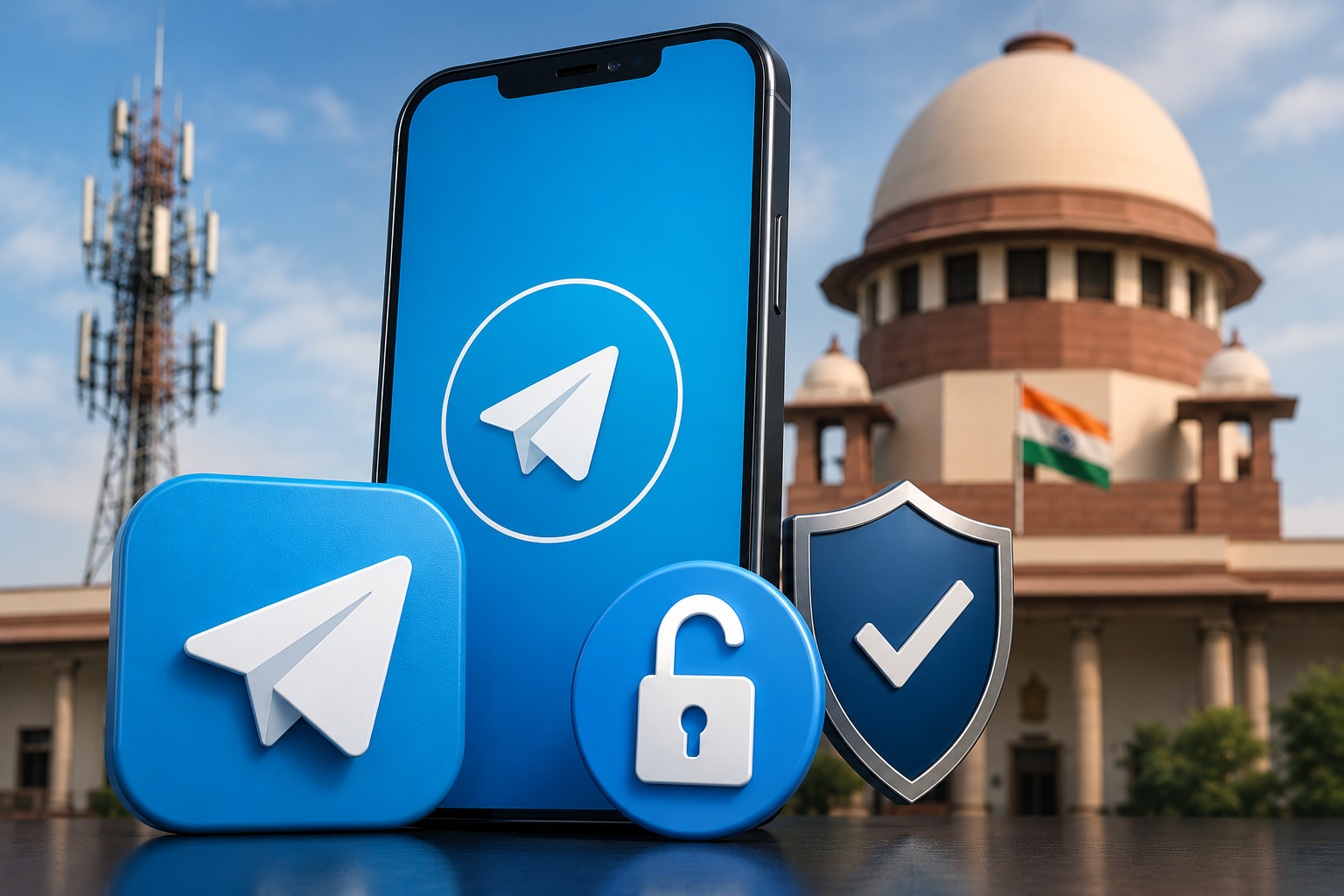
Telegram services have been restored across India after the government lifted temporary restrictions imposed ahead of the NEET-UG re-examination. The messaging platform, which had been inaccessible for nearly a week, is once again available for download through major app stores, allowing millions of users to resume normal communication.
While most Telegram services have returned, the platform's message editing feature will remain disabled until June 30 under government directives. The move reflects authorities' continued efforts to prevent misuse of digital platforms for spreading misleading examination-related content.
Why Was Telegram Blocked?
The Ministry of Electronics and Information Technology (MeitY) imposed a temporary nationwide restriction on Telegram until June 22 following concerns over the circulation of fake question papers and misinformation linked to the NEET-UG re-examination.
Officials alleged that certain groups were using Telegram channels and messaging networks to distribute fraudulent study material, fake exam papers, and misleading information that could create panic among students and compromise the integrity of the examination process.
The restrictions covered Telegram's mobile application, web services, and associated links, making the platform inaccessible to users across the country during the crucial examination period.
NEET Re-Examination Conducted Without Major Incidents
The government's decision to temporarily block Telegram was aimed at ensuring a smooth and transparent conduct of the NEET re-examination held on June 21.
According to officials, no significant incidents involving leaked question papers, large-scale misinformation campaigns, or examination-related fraud have been reported following the re-test. The successful completion of the examination has been cited as one of the reasons for restoring Telegram's services.
Education authorities believe that stricter monitoring and preventive measures helped maintain the credibility of one of India's most important entrance examinations.
Government and Telegram Held Discussions Before Ban
Before imposing the restrictions, government officials reportedly met Telegram representatives on June 3 to discuss concerns surrounding content moderation and the platform's role in preventing the spread of fake examination materials.
Authorities sought stronger action from Telegram to identify and remove channels allegedly involved in circulating misleading information. However, concerns persisted, leading to the temporary suspension of services until the examination process was completed.
The episode highlights increasing expectations from regulators for technology platforms to take proactive steps in curbing harmful content.
Telegram Founder Pavel Durov Criticises the Move
Telegram founder and CEO Pavel Durov publicly criticised the Indian government's decision, arguing that the restrictions unfairly impacted legitimate users.
In comments posted on social media platform X, Durov stated that more than 150 million Telegram users in India were affected despite having no connection to the alleged examination-related violations.
He argued that banning an entire platform is an ineffective method of addressing content leaks and that individuals responsible for misconduct should be targeted instead of restricting access for all users.
Controversy Deepens Over Alleged Industry Influence
The issue became more controversial after Durov suggested that competing technology and telecom interests may have influenced the government's decision.
He alleged that business groups linked to Reliance Industries and rival messaging platform WhatsApp could have played a role in lobbying for stricter action against Telegram.
The allegations remain unverified, and no official evidence has been presented to support these claims. Neither the companies named nor government authorities have publicly commented on the accusations.
Growing Focus on Digital Platform Accountability
The Telegram incident reflects a broader trend of increasing regulatory scrutiny over digital communication platforms in India.
With social media, messaging apps, and online communities playing a growing role in information dissemination, regulators are placing greater emphasis on platform accountability, content moderation, and user safety.
Technology companies operating in India are expected to strengthen compliance mechanisms as authorities seek to balance innovation, free expression, and national security concerns.
Impact on India's Digital Ecosystem
Industry experts believe the temporary ban could influence future policy discussions regarding platform regulation and emergency content-control measures.
The episode raises important questions about:
-
The responsibilities of messaging platforms in preventing misinformation.
-
The effectiveness of blanket restrictions versus targeted enforcement.
-
User rights and access to digital communication tools.
-
The role of technology companies in safeguarding examination integrity.
As India's digital economy continues to expand, policymakers are expected to develop more sophisticated frameworks for dealing with similar challenges in the future.
What Happens Next?
Although Telegram has resumed operations, authorities will continue monitoring the platform's compliance with regulatory requirements. The restriction on message editing until June 30 indicates that the government remains cautious about the potential misuse of communication tools during sensitive periods.
For users, the restoration means normal messaging, channel access, and file-sharing services are available once again. However, platform operators may face increased expectations regarding content moderation and cooperation with Indian authorities going forward.
Smart Investment Take
The restoration of Telegram services marks the end of a high-profile regulatory intervention that highlighted the growing intersection of technology, education, and public policy. While the government's actions were aimed at protecting examination integrity, the debate over platform accountability, user freedoms, and digital governance is likely to continue as India strengthens its oversight of the digital ecosystem.