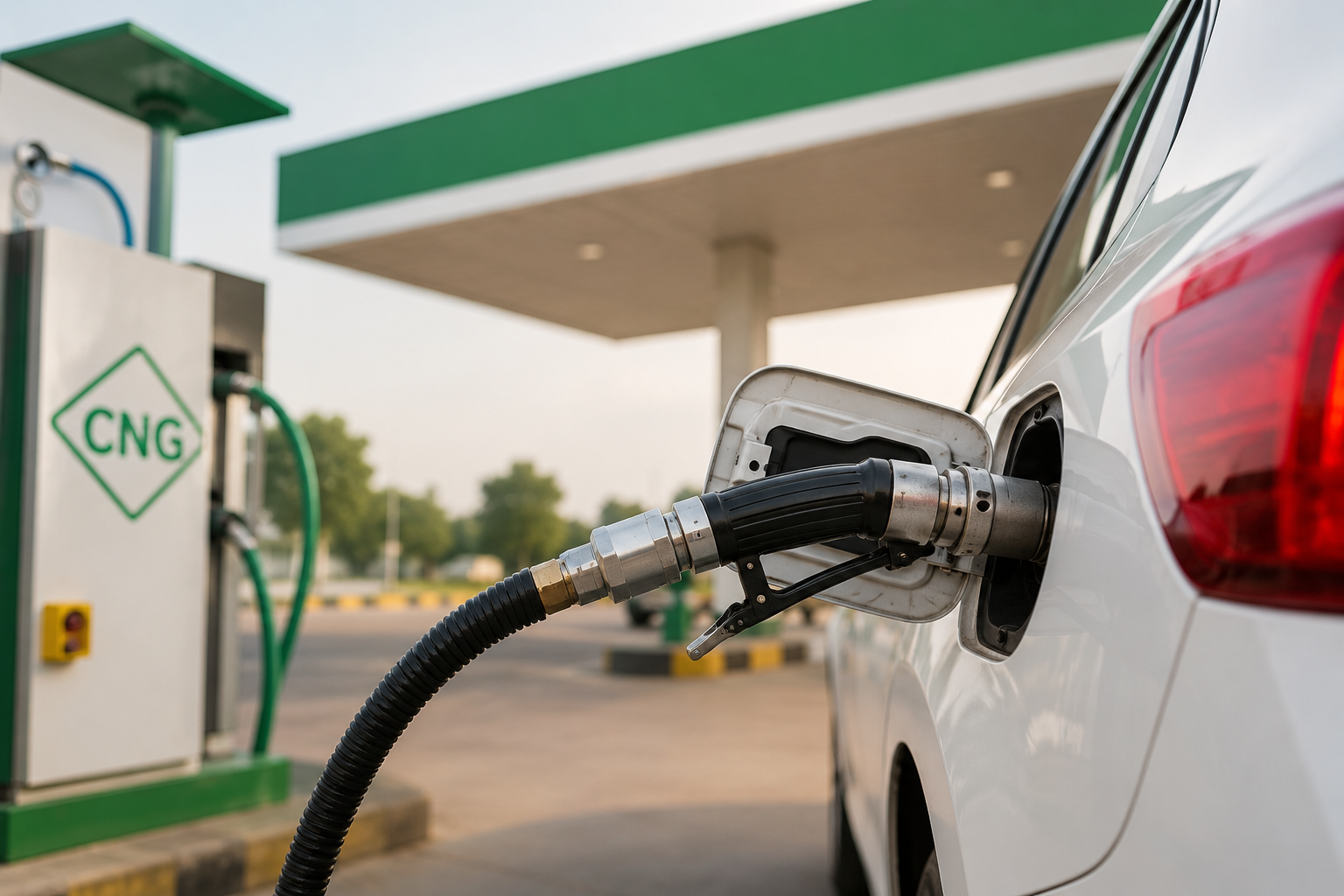
Fourth hike in less than two weeks pushes CNG to ₹83.09/kg; petrol and diesel prices also hit highest levels since 2022
Fuel prices across India continue to climb sharply, adding fresh pressure on household budgets and transportation costs. Residents in Delhi woke up to another increase in compressed natural gas (CNG) prices on Tuesday after retailers raised rates by ₹2 per kg. With the latest revision, CNG in the national capital now costs ₹83.09 per kg, marking the fourth increase since May 15.
The fresh hike came into effect from 6 am on May 26 and follows a series of revisions over the past two weeks. CNG prices in Delhi had already increased by ₹2 per kg on May 15 and another ₹1 per kg on May 23. In total, consumers are now paying ₹5 more per kg compared to prices earlier this month.
NCR and Mumbai Also See Fresh Increase
The price revision has extended beyond Delhi, impacting major cities across the National Capital Region (NCR). CNG rates in Noida, Greater Noida, and Ghaziabad have now climbed to ₹88.70 per kg, making daily commuting and commercial transport operations more expensive.
Meanwhile, Mumbai has also witnessed a rise in CNG rates, with prices touching ₹84 per kg. Analysts believe global energy market volatility and elevated natural gas import costs are driving the repeated increases.
Petrol and Diesel Prices Continue to Rise
The latest CNG hike comes at a time when petrol and diesel prices are also witnessing a strong upward trend. On Monday, petrol prices in Delhi were increased by ₹2.61 per litre, while diesel prices rose by ₹2.71 per litre.
Following the revision, petrol in Delhi is now retailing at ₹102.12 per litre, up from ₹99.51 earlier. Diesel prices have increased from ₹92.49 to ₹95.20 per litre.
Since May 15, fuel prices have been revised upward four times, taking the cumulative rise in petrol and diesel prices to nearly ₹7.5 per litre. Market observers note that the latest fuel rates are now at their highest levels since May 2022.
Rising Fuel Costs May Impact Inflation
Economists warn that sustained increases in fuel prices could have a wider impact on inflation, logistics expenses, and consumer spending. Higher CNG costs are likely to affect public transport operators, cab services, delivery businesses, and industries dependent on gas-powered commercial vehicles.
The rise in petrol and diesel prices may also lead to increased freight costs, potentially pushing up prices of essential goods in the coming weeks.
Global Energy Prices Driving Domestic Revisions
Industry experts attribute the continuous fuel price increases to higher crude oil and natural gas prices in international markets. Supply concerns in key oil-producing regions and geopolitical tensions have contributed to volatility in global energy markets over recent weeks.
Fuel retailers in India had largely kept prices stable for more than two years, except for a temporary ₹2 per litre reduction announced in March 2024 ahead of the Lok Sabha elections. However, with international prices rising again, companies have resumed frequent revisions to align domestic prices with global market conditions.
Consumers Brace for Further Hikes
With fuel prices showing no immediate signs of stabilising, consumers and businesses are preparing for further increases in transportation and operating costs. Market participants will closely watch global crude oil trends, government policy decisions, and currency movements for indications on the future direction of fuel prices in India.