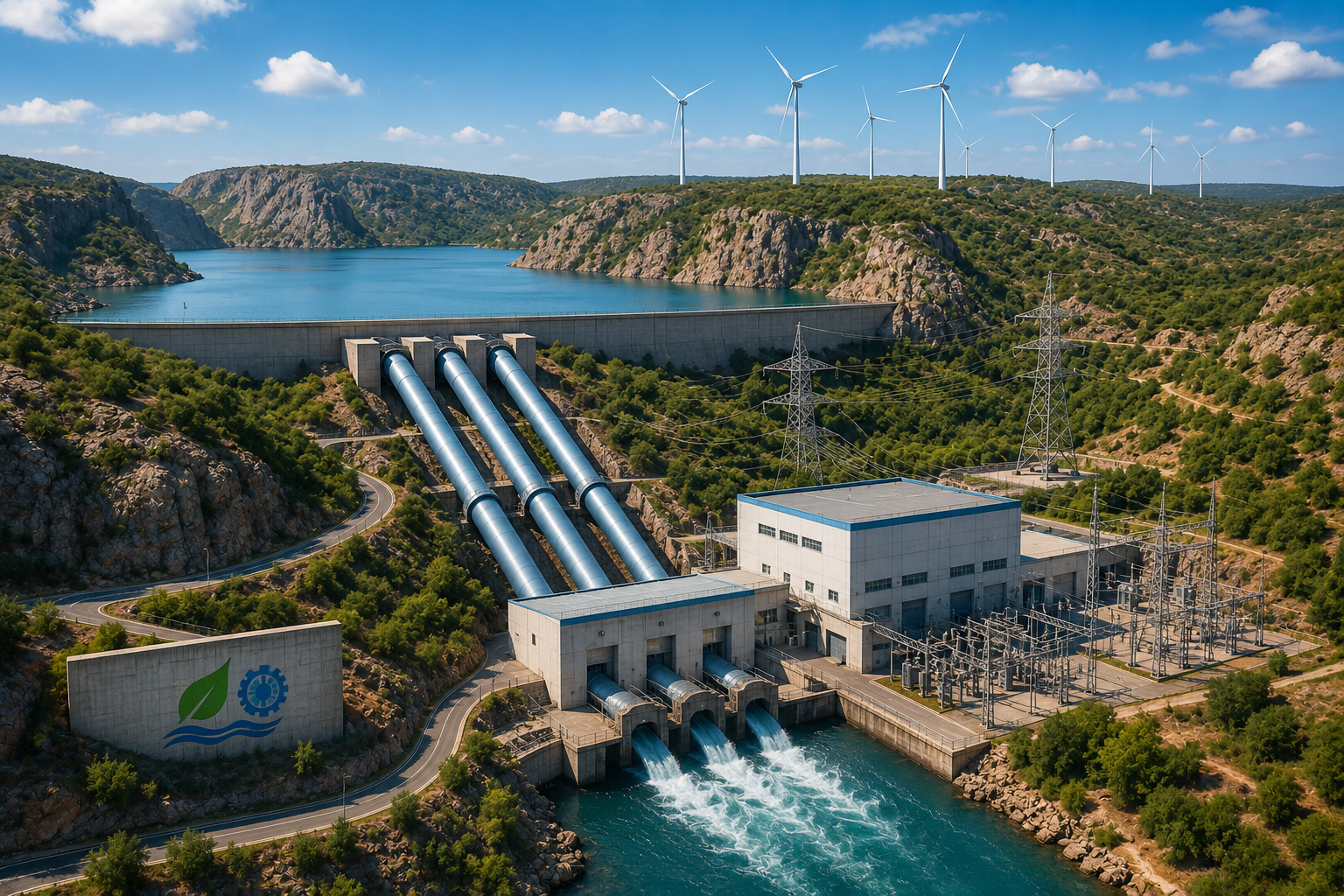
Mega Clean Energy Project to Boost Renewable Integration, Energy Storage and Industrial Growth
The Andhra Pradesh government has approved Adani Green Energy’s 2,250 megawatt (MW) Gandikota-2 Pumped Storage Project (PSP) in YSR Kadapa district, strengthening the state’s position as one of India’s fastest-growing clean energy investment destinations.
The large-scale project, approved by the State Investment Promotion Board (SIPB) chaired by Chief Minister N. Chandrababu Naidu, is expected to become one of the country’s biggest pumped storage energy facilities.
Developed under the Andhra Pradesh Integrated Clean Energy Policy 2024, the project is aimed at supporting India’s renewable energy transition while improving grid stability and long-duration energy storage capacity.
Project to Become One of India’s Largest Pumped Storage Facilities
The Gandikota-2 PSP will be developed at the Lord Balaji Donthi Kona PSP Park in YSR Kadapa district and is expected to be completed within:
- 72 months
Industry experts consider pumped storage projects crucial for the future of renewable-heavy electricity systems because they help store surplus energy generated during off-peak hours and release it during periods of high demand.
The technology works by:
- Pumping water to an elevated reservoir using surplus electricity
- Releasing the water later to generate electricity during peak demand periods
This enables:
- Grid balancing
- Stable renewable integration
- Better power reliability
- Reduced dependence on fossil-fuel backup generation
Andhra Pradesh Emerging as Major Clean Energy Hub
The approval further strengthens Andhra Pradesh’s growing reputation as a major clean energy and infrastructure investment destination.
The state government is aggressively promoting investments across:
- Renewable energy
- Green hydrogen
- Electric mobility
- Battery storage
- Data centres
- Advanced manufacturing
Officials believe projects like Gandikota-2 will support the development of a broader clean energy ecosystem across the state.
According to central government data, Andhra Pradesh currently has one of India’s largest pipelines of pumped storage projects under development.
Adani Group Expanding Energy Storage Portfolio
The Gandikota-2 project forms part of the broader renewable energy and energy-transition strategy of the Adani Group.
The group is rapidly expanding its pumped storage and renewable infrastructure portfolio across multiple Indian states, including:
- Andhra Pradesh
- Maharashtra
- Uttar Pradesh
Industry analysts believe large-scale storage assets will become increasingly important as India accelerates solar and wind energy deployment over the next decade.
Pumped storage systems are widely viewed globally as the backbone of renewable-heavy power grids because they help solve one of the biggest challenges in clean energy:
- Intermittent power generation
Energy Storage Becoming Critical for India’s Power Future
India is rapidly increasing renewable energy capacity to achieve its long-term climate and energy transition goals.
However, renewable sources such as:
- Solar power
- Wind power
generate electricity unevenly depending on weather conditions and time of day.
Energy storage systems such as pumped hydro projects help:
- Store surplus electricity
- Stabilise power supply
- Reduce grid fluctuations
- Improve round-the-clock renewable power availability
Experts say India will require significant storage infrastructure to support:
- 500 GW non-fossil fuel capacity target by 2030
- Large-scale industrial electrification
- Expanding digital infrastructure
- Rising electricity demand
Water Allocation Approved for the Project
As part of the approval process, the Andhra Pradesh government has sanctioned:
- 29.20 million cubic metres (MCM) of water for initial filling
- 2.20 MCM annually for evaporation losses
The water allocation will come from the Gandikota reservoir and remain subject to prevailing environmental and operational guidelines.
Officials said the project would follow all regulatory clearances and sustainability norms during implementation.
Andhra’s Clean Energy Policy Targets Massive Investments
The Gandikota-2 PSP will also be eligible for incentives under the Andhra Pradesh Integrated Clean Energy Policy 2024.
The policy aims to attract:
- Nearly ₹10 trillion in investments
- Around 750,000 jobs across the clean energy value chain
The government believes policy stability, faster approvals and strong transmission infrastructure are helping Andhra Pradesh attract some of India’s largest renewable energy and industrial projects.
Renewable Infrastructure to Support Data Centres and Industry
Industry experts believe projects like Gandikota-2 could also support India’s rapidly growing digital economy.
Large-scale renewable and storage assets are increasingly becoming important for:
- Hyperscale data centres
- Semiconductor manufacturing
- AI infrastructure
- Industrial corridors
- Electric mobility ecosystems
Reliable clean energy supply is expected to become a major competitive advantage for states looking to attract future industrial investment.
India’s Clean Energy Expansion Accelerating
The approval of the Gandikota-2 project reflects the broader acceleration in India’s renewable energy and storage infrastructure development.
Key growth drivers include:
- Rising power demand
- Energy transition goals
- Decarbonisation targets
- Private sector investment
- Government incentives
As India moves toward becoming one of the world’s largest renewable energy markets, pumped storage projects are expected to play a critical role in ensuring energy security, grid reliability and long-term sustainable growth.