West Bengal Government Clears CBI Sanction in Recruitment Scam Cases, Signals Crackdown on Corruption
New Administration Approves Pending CBI Action Against Officials in Alleged Graft Cases
The West Bengal government has granted sanction to the Central Bureau of Investigation (CBI) to proceed against officials accused in multiple corruption cases linked to recruitment irregularities in schools, civic bodies, and cooperative departments.
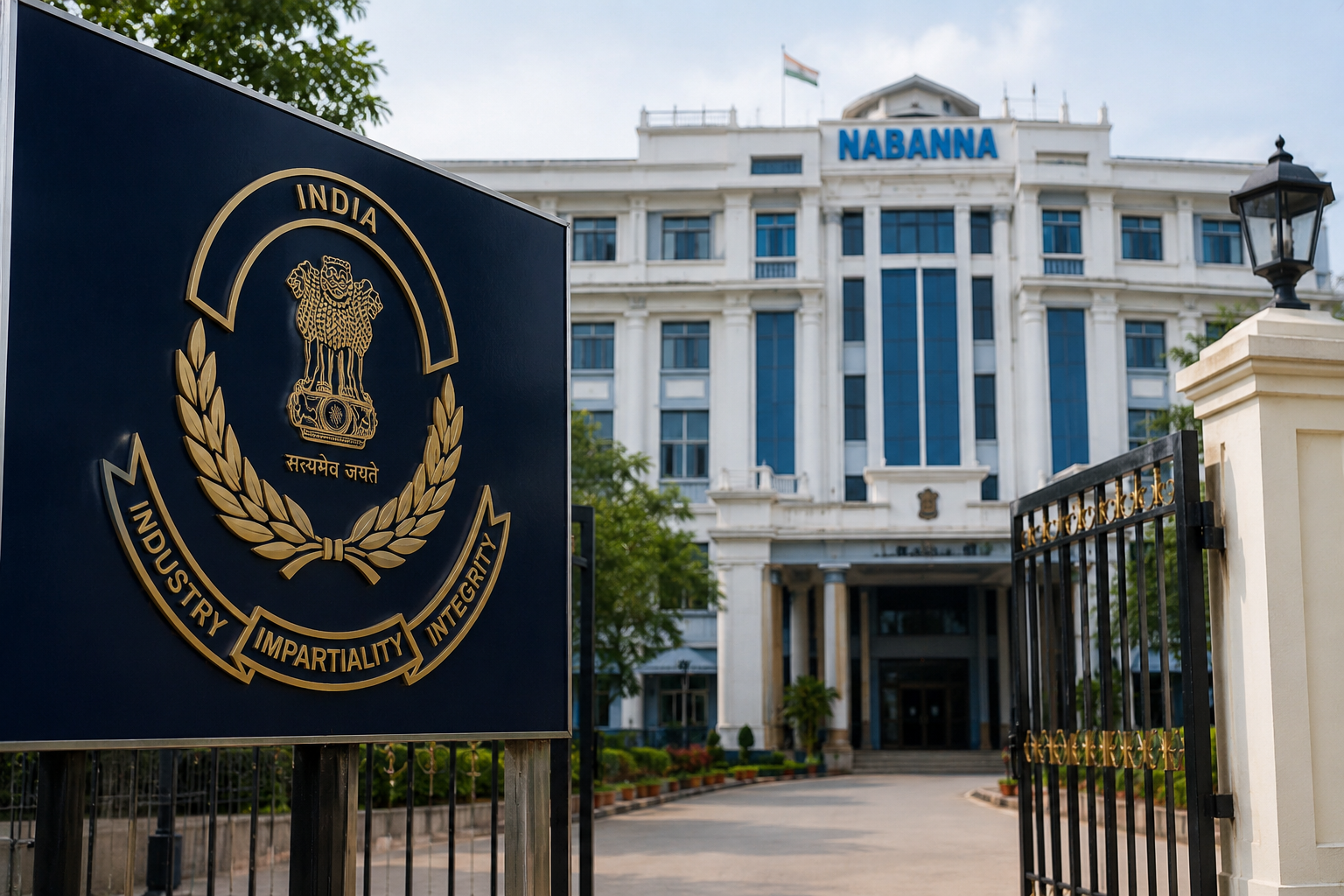
Chief Minister Suvendu Adhikari announced the decision during a press conference at Nabanna, stating that the new administration would pursue a “zero-tolerance” policy towards corruption and institutional malpractice.
The development marks a significant political and administrative shift in the state, as the government claims previous approvals sought by the CBI had remained pending for nearly four years.
The move is expected to intensify ongoing investigations into some of West Bengal’s most politically sensitive recruitment and public sector corruption cases.
Government Says Previous Approvals Were Delayed
Speaking to the media, Suvendu Adhikari alleged that the earlier administration had deliberately withheld permissions required for investigative agencies to proceed against senior officials.
Under Indian law, agencies such as the CBI require prior sanction from the state government before:
- Filing charge sheets
- Initiating prosecution
- Proceeding legally against serving government officials in corruption cases
According to the Chief Minister, the pending approvals had delayed investigations linked to:
- Teacher recruitment irregularities
- Municipal recruitment scams
- Cooperative department-related corruption probes
The government stated that copies of the newly approved sanctions have already been sent to the CBI.
Recruitment Scam Cases Remain Politically Sensitive
Recruitment-related corruption allegations have become one of the most controversial political issues in West Bengal in recent years.
Investigations have focused on alleged irregularities involving:
- Teacher recruitment examinations
- Public service appointments
- Municipal hiring processes
- Cooperative department recruitments
The cases have triggered:
- Political confrontations
- Court-monitored investigations
- Public protests
- Demands for transparency in recruitment systems
Several high-profile arrests and investigations in recent years have intensified scrutiny over public recruitment procedures in the state.
BJP Government Emphasises ‘Zero-Tolerance’ Policy
The new administration has repeatedly highlighted corruption control as one of its primary governance priorities.
Suvendu Adhikari stated that the government had promised strict action against corruption during the election campaign and that anti-corruption measures formed a key part of the party’s manifesto.
The Chief Minister said:
- Institutional corruption would not be tolerated
- Investigative agencies would receive necessary cooperation
- More administrative measures could follow in coming months
Political analysts view the move as an attempt by the government to position itself as focused on transparency, accountability, and administrative reform following the recent change in power.
Legal and Administrative Implications
The granting of sanction significantly strengthens the ability of the CBI to advance investigations against officials named in corruption-related cases.
The approvals may now allow the agency to:
- File prosecution documents
- Expand ongoing investigations
- Pursue legal proceedings against accused officials
- Accelerate court-monitored inquiries
Legal experts note that sanction approvals are often crucial in corruption investigations involving serving or former public servants.
The development could lead to fresh hearings, additional summons, and potentially wider investigations depending on the evidence gathered.
Education Recruitment Cases Draw Major Attention
Among the most sensitive investigations are those linked to alleged irregularities in teacher recruitment under the state education department.
The recruitment controversies have generated widespread debate due to allegations involving:
- Manipulation of appointment processes
- Irregular merit lists
- Bribery and influence networks
- Unauthorised appointments
The issue has also had a significant social impact, as thousands of job aspirants and candidates have protested over delays and alleged unfair practices.
The education sector investigations remain under close judicial and public scrutiny.
Municipal and Cooperative Department Cases Also Under Lens
Apart from education recruitment, the approvals also cover investigations connected to:
- Municipal affairs department recruitment irregularities
- Cooperative department-linked cases
Authorities indicated that some of these investigations are already being monitored by courts.
Analysts believe the widening scope of investigations could expose larger administrative and political networks if additional evidence emerges.
Political Tensions Likely to Intensify
The latest decision is expected to deepen political tensions in the state.
Opposition parties have long accused previous administrations of protecting officials linked to corruption cases, while rival political groups continue to accuse each other of using investigative agencies for political purposes.
The government’s decision to publicly announce the approvals signals that corruption-related investigations may remain a major political issue in the coming months.
Political observers believe anti-corruption action could become a central theme of the new administration’s governance strategy.
Public Expectations Around Governance and Transparency
The move comes amid growing public demand for:
- Transparent recruitment systems
- Merit-based appointments
- Accountability in public administration
- Faster investigation of corruption cases
Recruitment-related controversies have significantly affected public trust in government hiring systems in recent years.
Experts say restoring confidence will require:
- Institutional reforms
- Digitised recruitment processes
- Stronger oversight mechanisms
- Transparent examination systems
The government may now face pressure to combine enforcement action with long-term administrative reforms.
Impact on Bureaucracy and State Administration
The approval of CBI sanctions against officials may also send a strong signal across the state bureaucracy.
Analysts believe the move could:
- Increase administrative accountability
- Strengthen compliance monitoring
- Encourage stricter governance standards
- Heighten caution among public officials
At the same time, experts caution that sustained institutional reform will be necessary to prevent future irregularities.
Outlook
The West Bengal government’s decision to grant CBI sanction in recruitment-related corruption cases marks a major escalation in the state’s anti-corruption drive.
As investigations advance, the political, legal, and administrative implications are likely to remain significant. The coming months could witness intensified scrutiny of recruitment systems, further legal proceedings, and additional anti-corruption measures from the new administration.
How effectively the government balances accountability, institutional reform, and political stability may ultimately shape public perception of its governance agenda going forward.